
Imagine stepping into a lush, vibrant garden that bursts with colors and life, yet requires minimal effort to maintain. Sounds like a dream, right?
Well, it doesn't have to be. Designing a low maintenance garden might be easier than you think, and the rewards are endless. Picture yourself enjoying your morning coffee surrounded by nature's beauty without worrying about spending countless hours on upkeep.
This guide is crafted just for you, offering simple, practical tips to create a garden that thrives with less time and effort. Dive in and discover how you can transform your outdoor space into an oasis of relaxation and beauty, all while keeping maintenance to a minimum. Your perfect garden awaits!
Credit: www.gardeningetc.com
Choosing The Right Plants
Selecting the right plants is key to a low maintenance garden. Opt for native species that thrive with minimal care. Drought-tolerant varieties save water and time. Perennials reduce the need for frequent replanting. Consider plant size and growth habits for easy upkeep.
Designing a low maintenance garden is all about smart choices, especially when it comes to plants. The right selection can save you hours of labor while ensuring your garden remains vibrant and beautiful. If you're tired of endless watering, trimming, and replacing plants, it’s time to rethink your approach. Let's dive into the art of choosing the right plants that will thrive with minimal care.
Native Species
Native plants are your best allies for a low maintenance garden. They are adapted to the local climate and soil conditions, which means they require less water and care. Take a stroll around your neighborhood or local park. Notice the plants that flourish without much attention. These are the native species you should consider for your garden. Imagine the ease of gardening when you have plants that practically take care of themselves. Why not make your garden a haven for native wildlife too?
Drought-tolerant Varieties
Watering can be one of the most time-consuming garden tasks. Drought-tolerant plants, like succulents and lavender, thrive in dry conditions. They are perfect for areas with water restrictions or if you want to reduce your water usage. I remember planting succulents in a sunny corner of my garden; they flourished even during the hottest summer days without a drop of water. Are you ready to cut down your watering schedule and still enjoy a lush garden?
Perennials Vs Annuals
Choosing between perennials and annuals can significantly impact your garden's maintenance level. Perennials return year after year, which means you don’t need to replant them annually. They save time and energy, allowing you to enjoy the beauty without the hassle of constant replanting. On the other hand, annuals provide vibrant seasonal color but require yearly planting. Consider your gardening goals. Do you prefer a stable garden or one that changes each season? Balancing these choices can lead to a garden that suits your lifestyle perfectly. By carefully selecting the plants for your garden, you can create a space that is beautiful and easy to manage. What would you choose to transform your garden into a low maintenance paradise?
Efficient Layout Planning
Creating a low maintenance garden starts with efficient layout planning. A well-planned garden saves time and effort. It ensures every element serves a purpose. Thoughtful design reduces upkeep needs.
Space Utilization
Use every inch of your garden wisely. Choose plants that fit your space. Avoid overcrowding. This ensures each plant gets enough sunlight and nutrients. Consider vertical gardening. It maximizes small spaces.
Grouping By Water Needs
Group plants by their water requirements. This makes watering more efficient. Plants with similar needs thrive together. It reduces over-watering and under-watering risks. Use drought-resistant plants for easier care.
Pathways And Access
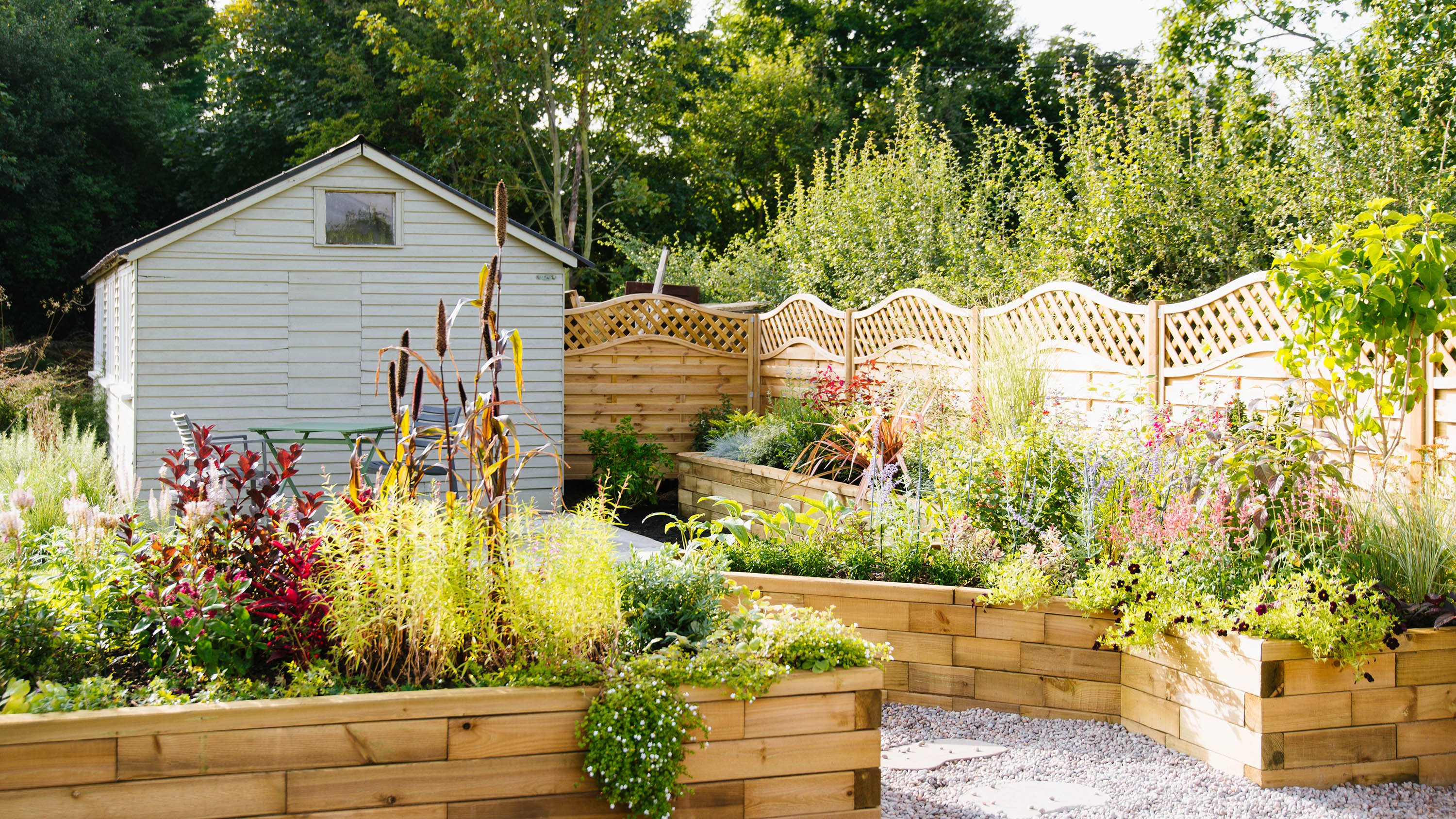
Design clear pathways for easy access. Wide paths make maintenance simple. Use durable materials for paths. Gravel or stone paths last long. They also add visual appeal to your garden.
Smart Irrigation Solutions
Creating a low maintenance garden requires thoughtful planning. Smart irrigation solutions play a key role. They ensure efficient water usage and save time. By adopting modern techniques, gardeners can enjoy lush landscapes with minimal effort. This section explores smart irrigation strategies that make gardening easier.
Drip Irrigation Systems
Drip irrigation systems deliver water directly to plant roots. This method reduces water waste and promotes healthy growth. It prevents over-watering and decreases evaporation. It’s ideal for gardens with diverse plant types. These systems are easy to install and adjust. They cater to specific plant needs with precision.
Rainwater Harvesting
Rainwater harvesting collects and stores rain for garden use. It utilizes barrels or tanks to capture runoff. This eco-friendly practice reduces reliance on municipal water. It’s cost-effective and sustainable. Harvesting rainwater is simple with basic equipment. It provides a natural solution for watering plants.
Automated Timers
Automated timers manage watering schedules efficiently. They eliminate the need for manual intervention. Timers can be set to water at optimal times. This ensures plants receive consistent care. They are programmable and easy to use. Automated timers suit busy gardeners perfectly.
Minimalist Design Principles
Design a low maintenance garden using minimalist design principles. Choose simple plant arrangements and focus on functional spaces. Opt for native plants that require little care and fit well in your climate. Use clean lines and limited decorations to create a peaceful, easy-to-maintain outdoor area.
Creating a low maintenance garden is a dream for many, especially when life gets busy. Adopting minimalist design principles can help you achieve this balance, offering simplicity, serenity, and easy upkeep. These principles focus on reducing clutter and embracing simplicity, making your garden not only beautiful but also manageable. Imagine a space that feels open and calm, where each element has a purpose. With minimalist design, you can create a garden that's both stylish and stress-free.
Simplified Planting Schemes
A simplified planting scheme is like a breath of fresh air for your garden. Choose a few plant species that thrive in your climate and are easy to care for. Group them in large, bold swathes for impact. This approach minimizes the need for constant attention and keeps your garden looking cohesive. Consider plants that require similar watering and sunlight needs to streamline care. I once replaced a chaotic mix of plants with just a few hardy perennials. The transformation was incredible. Less time spent on maintenance meant more time to enjoy the garden.
Use Of Hardscaping
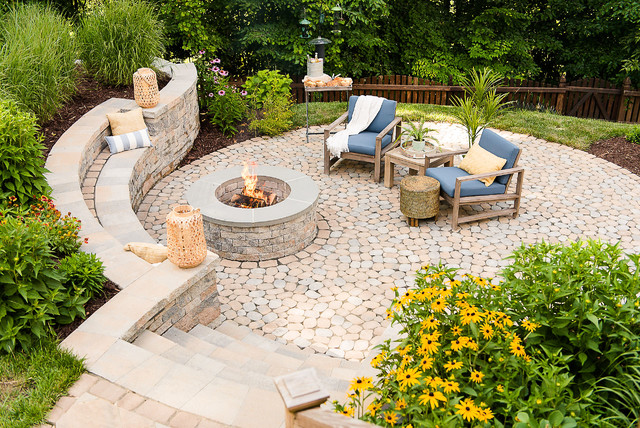
Hardscaping can significantly reduce garden maintenance. Think patios, pathways, and stone features. These elements provide structure and reduce the amount of lawn or garden beds you need to manage. A well-placed stone pathway can add character and direct foot traffic, preserving your plants. Consider materials like gravel or paving stones which are both durable and low-maintenance. In my garden, a small stone patio became the perfect spot for morning coffee. It required almost no upkeep and added charm to the space. What hardscaping feature would make your garden more functional?
Limited Variety And Uniformity
Limiting plant variety doesn't mean sacrificing beauty. It means choosing a few standout species and repeating them throughout your garden. This creates a sense of harmony and ease. Uniformity can be soothing, and it reduces the decision-making pressure when planting. A garden with a limited palette can still be vibrant and full of life. Imagine walking into your garden and immediately feeling a sense of calm. That's the power of uniformity. Consider how a single species of grass or a row of the same shrub can make your garden feel ordered and peaceful. By embracing these minimalist design principles, your garden can become a serene sanctuary with minimal effort. What's your first step towards a low maintenance garden?
Sustainable Practices
Creating a low maintenance garden with sustainable practices is both rewarding and eco-friendly. These methods not only reduce work but also enhance the environment. Embrace nature’s way to cultivate a flourishing, green space.
Organic Mulching
Organic mulching is a powerful tool for every garden. It involves using natural materials like bark, straw, or leaves. These cover the soil, conserving moisture and suppressing weeds. Mulch also enriches the soil as it breaks down. This reduces the need for frequent watering and weeding. Use organic mulch to keep your garden healthy and thriving.
Composting And Soil Health
Composting transforms kitchen waste into nutrient-rich soil. It improves soil health and reduces landfill waste. Composting is simple and cost-effective. Add vegetable scraps, coffee grounds, and eggshells to a compost bin. Turn regularly to speed up decomposition. Healthy soil leads to stronger plants and fewer pests.
Eco-friendly Fertilizers
Eco-friendly fertilizers nurture plants without harming the environment. Choose natural options like fish emulsion or bone meal. These fertilizers release nutrients slowly. They improve plant growth and soil structure. Avoid chemical fertilizers that pollute waterways. Opt for sustainable choices to support your garden’s ecosystem.
Credit: www.houzz.com
Low Maintenance Lawn Alternatives
Creating a garden with low maintenance alternatives involves choosing ground covers like clover or creeping thyme. These plants require minimal watering and mowing, ensuring a lush and green space. Native grasses and ornamental plants add beauty without the hassle of constant upkeep.
Designing a low maintenance garden is not just about reducing the time you spend on upkeep; it's about creating a space that brings joy without the constant toil. One of the biggest challenges can be maintaining a lawn. But what if you could have a beautiful, green yard without the hassle of mowing, watering, and fertilizing? Let's explore some low maintenance lawn alternatives that can transform your garden into a peaceful retreat.
Ground Cover Options
Ground covers are a fantastic way to achieve a lush look without the lawn. They spread quickly, suppress weeds, and require minimal care. Consider options like clover, thyme, or creeping Jenny. These plants are resilient and can withstand foot traffic, making them perfect for pathways or open areas. Imagine stepping out into your garden and feeling the soft texture of a ground cover underfoot, rather than the prickly blades of grass.
Artificial Grass
Artificial grass offers the green lawn look without the upkeep. It's perfect for those who want a neat appearance all year round. Choose high-quality synthetic turf that mimics the feel and look of real grass. You won't have to worry about mowing or watering, and it stays vibrant in any weather. Picture yourself hosting a summer barbecue, and not stressing about the lawn's appearance—it’s always pristine.
Gravel And Stone Landscapes
Gravel and stone landscapes provide a modern and sophisticated alternative to grass. They are durable, require little maintenance, and add texture to your garden. Use them to create pathways, patios, or even a Zen garden. Combine different sizes and colors to add interest. If you've ever enjoyed the tranquility of a rock garden, you know how these elements can create a calming space. Would you trade the weekly lawn care for a serene stone landscape? Choosing a low maintenance lawn alternative can redefine your garden experience. Think about what works best for your lifestyle and enjoy the freedom of a garden that thrives with little effort.
Regular Maintenance Routines
Creating a low maintenance garden doesn't mean no maintenance. Regular routines keep your garden healthy and beautiful. These routines prevent small issues from becoming big problems. They also help you enjoy your garden all year round.
Focusing on simple tasks can save time and effort. These tasks fit easily into your schedule. Let's explore some key routines for your garden's upkeep.
Seasonal Checklists
Every season brings different needs for your garden. Create a checklist for each season to stay organized. In spring, focus on planting new seeds and cleaning debris. Summer requires more watering and pest checks. Fall is perfect for pruning and mulching. Winter needs protection for sensitive plants. Seasonal checklists ensure you don't miss critical tasks.
Efficient Pruning Techniques
Pruning helps plants grow better and look neat. Use sharp tools for clean cuts. Remove dead branches and overgrown parts. Prune in the right season for each plant. Some plants prefer spring pruning, others in fall. Efficient pruning promotes healthy growth and reduces plant stress.
Weed Control Strategies
Weeds compete with your plants for nutrients. Control them to keep your garden thriving. Use mulch to block sunlight from reaching weed seeds. Pull weeds when the soil is moist for easier removal. Consider using a natural weed barrier fabric. Regular weeding keeps your garden neat and healthy.

Credit: www.housebeautiful.com
Frequently Asked Questions
What Are Low Maintenance Plants?
Low maintenance plants require minimal care. They thrive with little watering and resist pests. Examples include lavender, succulents, and ornamental grasses. These plants are perfect for busy gardeners who want a beautiful garden with less effort. Choosing the right plants reduces the need for constant upkeep.
How Can I Reduce Garden Watering?
To reduce watering, choose drought-resistant plants. Use mulch to retain moisture and prevent weeds. Install a drip irrigation system for efficient watering. Consider rainwater harvesting to utilize natural resources. By implementing these strategies, your garden will require less frequent watering, saving time and resources.
Which Garden Design Is Easiest To Maintain?
Simple designs with fewer plant varieties are easiest to maintain. Use native plants that adapt to local conditions. Create defined paths and borders to minimize maintenance. Incorporate hardscape elements like gravel, stones, or pavers to reduce weeding. These choices simplify upkeep and ensure a tidy appearance.
How Do I Prevent Weeds Naturally?
Prevent weeds by using mulch and ground cover plants. Mulch blocks sunlight, hindering weed growth. Ground cover plants suppress weeds by occupying space. Regularly remove weeds before they mature and spread seeds. These natural methods effectively reduce weeds without chemical intervention, keeping your garden tidy.
Conclusion
Creating a low maintenance garden is simple and rewarding. Focus on native plants. They need less care and water. Mulch is your friend. It helps retain moisture and reduces weeds. Choose perennials over annuals. They return year after year. Group plants with similar needs together.
Saves time and resources. Consider ground covers. They minimize lawn space and maintenance. Use efficient watering systems like drip irrigation. Saves water and effort. Plan pathways wisely to reduce upkeep. Enjoy your beautiful, easy-care garden. Nature thrives with less work.
Happy gardening!


