
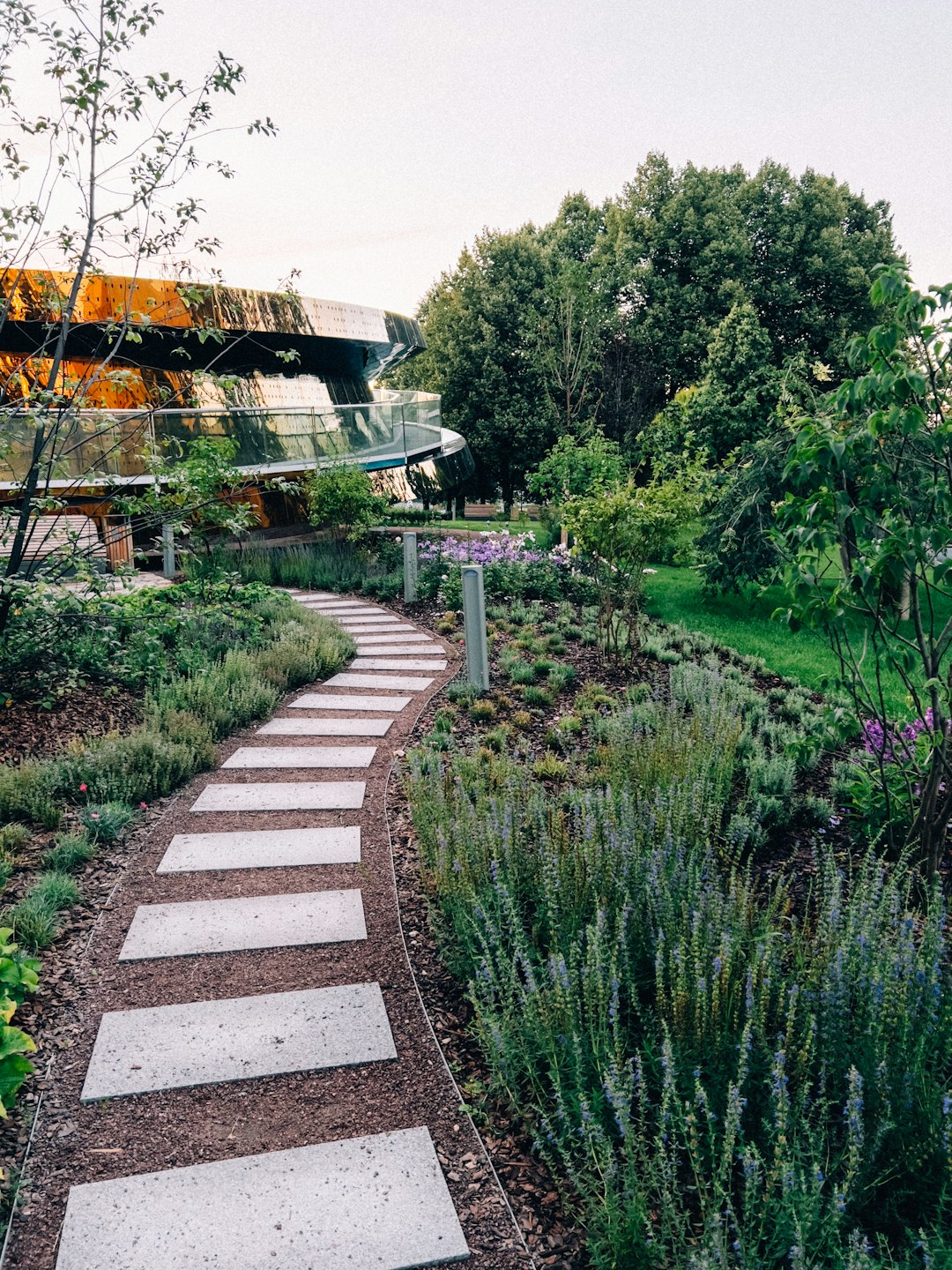
Imagine stepping into your garden and being instantly greeted by a harmonious blend of colors and textures, all perfectly framed by beautifully crafted borders. These aren't just any borders; they're designed with care and creativity to enhance the overall appeal of your outdoor space.
You might be wondering how to achieve this captivating effect yourself. The good news is, designing garden borders isn't as daunting as it may seem. With the right tips and tricks, you can transform your garden into a picturesque haven that reflects your personal style.
In this guide, you'll discover the secrets to crafting garden borders that not only define your space but also elevate its beauty. Ready to get started on creating a garden that will make every visitor stop and admire? Let's dive in and explore the art of garden border design.

Credit: www.freepik.com
Choosing The Right Materials
Selecting suitable materials is crucial for designing a garden border. Consider durability and weather resistance. Natural stones, bricks, or wood offer charm and functionality.
Creating the perfect garden border begins with choosing the right materials. Whether you're aiming for elegance, durability, or sustainability, the material you select can make a world of difference. It's not just about aesthetics; it's about how each material interacts with your garden environment and the statement it makes. Are you ready to explore the possibilities?
Natural Stone Options
Natural stone offers a timeless appeal. It blends seamlessly with the earth, creating a harmonious transition from garden to border. Stones like granite, limestone, and sandstone are popular choices. They provide durability and can withstand various weather conditions. When I added limestone to my garden, the subtle color variations added a unique charm. Are you looking for something that lasts a lifetime and ages gracefully?
Wooden Borders
Wood brings warmth and a rustic feel to any garden. It's versatile and can be shaped to fit curves or straight lines. Cedar and redwood are excellent choices due to their resistance to rot. I chose cedar for its natural resistance and rich color, and it transformed my garden into a cozy retreat. How important is sustainability in your choice? Wood can be sourced responsibly, making it an eco-friendly option.
Metal Edging
Metal edging introduces a modern touch to your garden design. It's sleek, durable, and often weather-resistant. Options like steel and aluminum offer clean lines and are easy to install. I experimented with steel edging, and the contrast with the greenery was striking. Are you aiming for a minimalist look that holds up against the elements? Metal might be your go-to.
Recycled Materials
Using recycled materials is not only environmentally friendly but also adds character. Items like old bricks, reclaimed wood, and even recycled glass can be repurposed as garden borders. When I repurposed bricks from a demolished structure, it added a story to my garden space. Are you interested in a border that tells a tale and contributes to sustainability? It's a way to innovate while caring for the planet. Choosing the right material is more than a simple decision; it's about crafting a space that reflects your taste and values. What message do you want your garden to convey?
Credit: www.monrovia.com
Planning The Layout
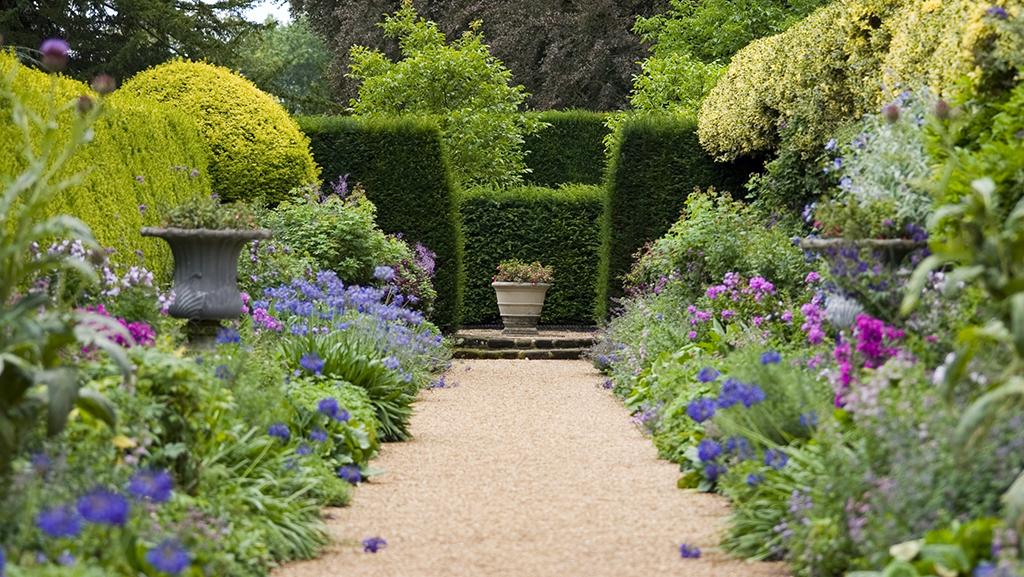
Designing a garden border involves selecting plants and materials that complement your space. Choose colors and textures that enhance your garden's theme. Consider using stones, bricks, or wood for a natural look.
Planning the layout of your garden border is like setting the stage for a beautiful performance. It involves understanding your space, choosing the right plants, and deciding on shapes that will bring your vision to life. Whether you're a seasoned gardener or just starting out, careful planning will ensure your garden border not only looks stunning but also meets your practical needs.
Assessing Garden Size
Begin by measuring your garden space. Consider the width and length of the area where you plan to add borders. This will help you determine how many plants you can add without overcrowding. Think about how much time you can dedicate to maintenance. A larger border may require more attention, so keep your lifestyle in mind. Use a simple sketch or garden planning app to visualize the layout. This helps in understanding how different elements will fit together.
Considering Plant Types
Choose plants that thrive in your climate. Look at native species as they often require less maintenance. Mix different plant heights for a layered effect. Taller plants at the back and shorter ones at the front can create depth. Think about color and bloom time. A variety of colors can make your garden border pop, while staggered bloom times keep it looking vibrant throughout the year.
Creating Curves And Angles
Curves can add a sense of flow and movement to your garden. They guide the eye and can make a small garden feel more spacious. Angles provide a modern, structured look. They can complement contemporary home designs and add a sense of order. Experiment with hosepipes or strings to outline curves and angles before you start digging. This allows you to make adjustments until you're satisfied with the look. Have you considered how these elements will work together in your garden? Each choice you make in planning your layout will bring you closer to a garden border that not only complements your space but also reflects your personal style.
Incorporating Color And Texture
Designing garden borders involves more than just arranging plants. Colors and textures play a crucial role in creating a vibrant garden. They enhance the visual appeal and make the space inviting.
Using Colorful Stones
Colorful stones add depth to garden borders. Choose stones in shades that complement your plants. Bright stones can create a lively atmosphere. Dark stones provide a bold contrast. Mix them for a balanced look.
Mixing Textures
Mixing textures in garden borders adds interest. Use rough stones next to smooth pebbles. This contrast catches the eye. Pair coarse bark with soft moss for variety. Mixing textures creates a dynamic border.
Complementing Plant Colors
Plant colors should complement the border elements. Match stone colors with plant hues. Choose stones that echo flower shades. This harmony ties the garden together. Contrast plant colors with border textures for added flair.
Installation Techniques
Designing a garden border transforms outdoor spaces into beautiful landscapes. Proper installation techniques ensure the border stays durable and visually appealing. Follow these methods to secure your garden's aesthetic charm.
Preparing The Ground
Start by clearing the area of debris and weeds. Use a spade to remove unwanted plants and roots. Level the ground with a rake for a smooth surface. Moist soil is easier to work with, so lightly water the area if needed.
Setting Borders In Place
Choose your preferred edging material such as stone, wood, or metal. Align each piece along the outline of your garden. Leave gaps for plants to grow through if desired. Ensure the border follows the natural shape of the garden.
Securing Edging Materials
Use stakes or pegs to hold edging materials firmly in place. Hammer these into the ground beside each border piece. Check that all materials are straight and secure. This prevents shifting and maintains the border's form.
Maintenance Tips
Crafting garden borders requires thoughtful planning. Choose sturdy materials like stones or wood for durability. Regularly trim plants to maintain a neat appearance, ensuring the garden looks organized and inviting.
Maintaining your garden border enhances its appeal and ensures longevity. Regular upkeep helps keep your garden looking fresh and tidy. It prevents the border from deteriorating over time. Here are some essential maintenance tips to keep your garden border in top shape.
Regular Cleaning
Regular cleaning prevents dirt and debris buildup. Gently sweep or use a soft brush to clean the border. This keeps the materials looking vibrant and fresh. Clean the borders at least once a month. This simple act can prolong the life of your garden features.
Preventing Weed Growth
Weeds can ruin the appearance of your garden border. Pull out weeds as soon as you see them. Use a barrier or landscape fabric to stop new weeds. Mulching can also help suppress weed growth. Keep a vigilant eye out for weeds to maintain a pristine look.
Repairing Damaged Edges
Damaged edges can make your garden border look untidy. Check the edges regularly for any signs of wear or damage. Replace broken pieces to maintain a neat appearance. Use proper tools to ensure a seamless repair. Timely repair keeps your garden border looking its best.
Enhancing With Lighting
Enhancing your garden border with lighting transforms the night landscape. It not only adds a magical touch but also ensures safety. Proper lighting highlights the beauty of your garden design. Selecting the right type of lighting is crucial for the desired effect.
Solar Lights
Solar lights are eco-friendly and easy to install. They rely on sunlight, making them cost-effective. Place them along pathways to guide visitors safely. Their soft glow creates a welcoming atmosphere. Choose models with weather-resistant features for durability.
Led Strips
LED strips offer flexibility in design. They can be bent around curves or lined straight. These strips are energy-efficient, providing long-lasting illumination. Use them to outline garden paths or highlight specific plants. Their vibrant colors add a modern touch to your garden.
Spotlights For Accents
Spotlights draw attention to key garden features. Use them to illuminate statues, fountains, or unique plants. They create dramatic effects by casting shadows and light. Adjustable angles allow for creative positioning. Ensure they are waterproof for outdoor use.
Budget-friendly Ideas
Designing a garden border doesn't have to break the bank. With creativity and resourcefulness, you can achieve a stunning look. Budget-friendly ideas allow you to enjoy a beautiful garden. Let's explore some smart and cost-effective options.
Diy Projects
Creating your own garden border can be fun and economical. Use simple materials like stones or bricks. Arrange them in a pattern to add charm. Wooden logs can also make a rustic border. Paint them in bright colors for a fresh look. Another idea is using bamboo sticks. They are easy to work with and add a natural touch.
Upcycling Materials
Upcycling is a great way to save money and reduce waste. Old tires can become unique planters. Just paint them and stack creatively. Broken ceramics or tiles make interesting mosaic borders. They add color and texture. Reuse glass bottles by burying them neck down. This creates a quirky and colorful edge.
Affordable Purchases
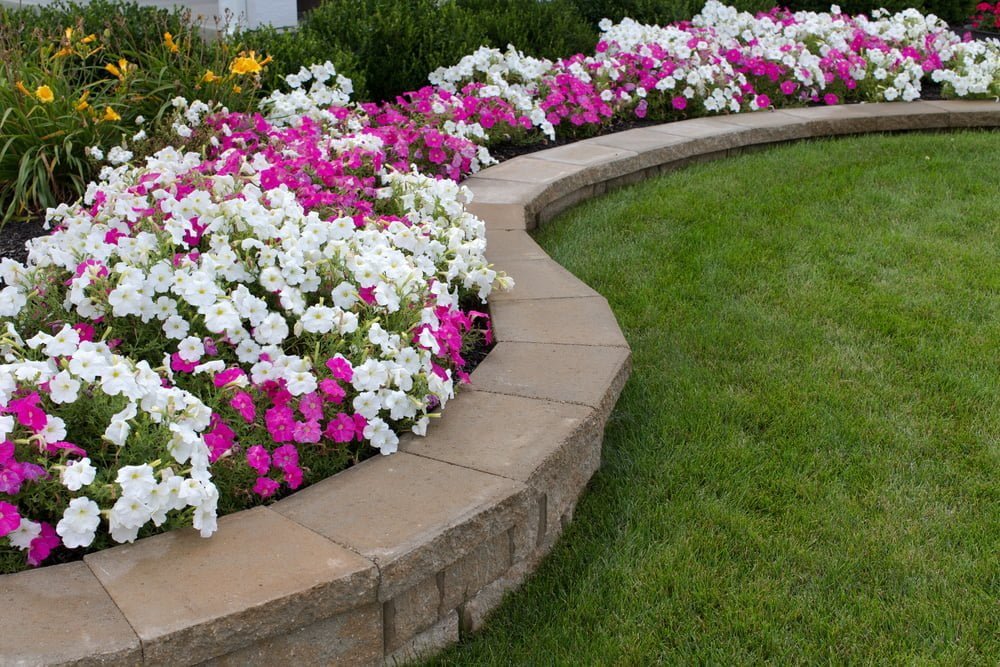
For those who prefer ready-made options, there are budget-friendly choices. Look for sales at garden centers. You can find discounted edging materials. Plastic or metal garden borders are often cost-effective. They are easy to install and durable. Online marketplaces also offer great deals. Compare prices to find the best bargain.
Credit: millcreekgardens.com
Frequently Asked Questions
What Materials Are Best For Garden Borders?
Stone, brick, and metal are excellent choices for garden borders. They offer durability and a stylish appearance. These materials can define the garden space and prevent soil erosion. Wood is also popular for a natural look but requires maintenance. Choose based on your garden's style and budget.
How To Choose The Right Garden Border Design?
Consider your garden's style, size, and function. Formal gardens benefit from symmetrical borders, while informal gardens can use curves. Choose materials that complement your landscape. Ensure the design suits your gardening needs, like plant containment or pathway definition. Research and plan for the best results.
Can Garden Borders Improve Plant Health?
Yes, garden borders can improve plant health. They prevent soil erosion and retain nutrients. Borders keep invasive plants away, reducing competition for resources. They also help maintain moisture levels by preventing water runoff. Overall, borders create a stable environment for plant growth.
How To Maintain Garden Borders Effectively?
Regularly inspect for damage and repair promptly. Clean borders to prevent dirt buildup and weed growth. Apply a protective sealant if using wood or stone. Trim and adjust the border to maintain its shape. Consistent maintenance ensures durability and keeps your garden looking neat.
Conclusion
Creating garden borders can be simple and fun. They add style to your outdoor space. Choose materials that fit your garden's look. Stones, wood, and plants work well. Keep borders neat for a tidy appearance. Regular upkeep ensures they stay beautiful.
Borders can define areas and guide paths. They provide structure and enhance garden design. Experiment with shapes and colors. A well-designed border can transform your garden. Enjoy the process and let creativity shine. Invite nature's beauty into your space. Your garden will be a peaceful retreat.
Thank you for exploring garden border design with us!


