
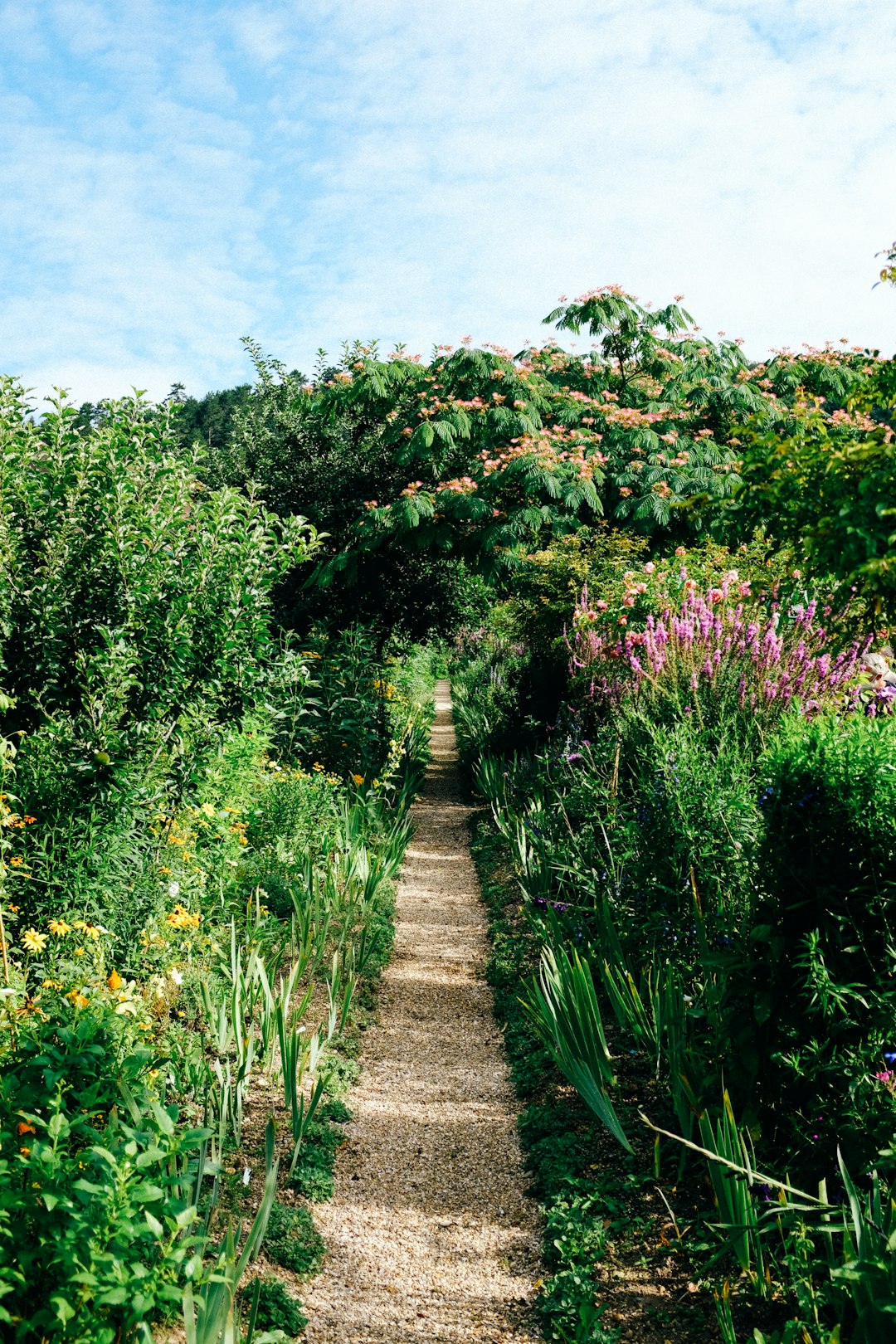
Are you curious about the lush, colorful world of garden design? Imagine strolling through a vibrant garden filled with a harmonious blend of colors and textures.
Your senses are delighted by the natural beauty and calming atmosphere. What if you could bring this enchanting experience into your own backyard? There's one iconic garden designer who mastered the art of creating such mesmerizing spaces with the use of herbaceous borders.
This design style, characterized by its rich tapestry of plants, has captivated garden enthusiasts for generations. But who was the visionary behind this beloved approach? Uncovering the secrets of this legendary designer might just inspire you to transform your own garden into a masterpiece. Keep reading to discover who this famous garden designer was and how their innovative techniques can revolutionize your outdoor space.
Gertrude Jekyll: Pioneer Of Herbaceous Borders
Gertrude Jekyll transformed garden design with her stunning herbaceous borders. Her unique approach blended colors, shapes, and textures into harmonious displays. She became a significant figure in the Arts and Crafts movement. Her influence is still seen in gardens worldwide today.
Early Life And Inspirations
Gertrude Jekyll was born in London in 1843. She grew up in a creative family, surrounded by art and nature. Her early exposure to beauty and design shaped her future work. Jekyll studied at the South Kensington School of Art. This education provided her with a solid foundation in color theory. Her love for nature and art inspired her garden designs.
Influence On Garden Design
Jekyll's approach to gardening was revolutionary. She used plants to create painterly effects in gardens. Her herbaceous borders were her signature style. Jekyll's designs were carefully planned, with each plant chosen for its seasonal impact. She believed in using perennials for their lasting beauty. Her work with architect Edwin Lutyens resulted in iconic gardens.
Jekyll's influence extended beyond her own gardens. She wrote extensively about her methods, sharing her knowledge with others. Her books and articles educated gardeners worldwide. Jekyll's principles of color and form continue to inspire garden designers today.
Design Philosophy
In the realm of garden design, the herbaceous border stands as a beloved feature. It was popularized by one of the most esteemed garden designers. This designer's philosophy embraced the beauty of nature's cycles and the vibrant displays of seasonal plants. Their approach to garden design has inspired countless gardens worldwide, emphasizing the harmonious blend of colors, textures, and plant life.
Use Of Color And Texture
The designer utilized a rich palette of colors. This approach created dynamic and inviting garden spaces. Bright, bold colors mingled with soft pastels. Each plant was chosen for its unique texture. The interplay of rough and smooth, light and dark, brought the garden to life. This thoughtful use of color and texture was not just for aesthetics. It was also about creating an emotional response in the viewer.
Seasonal Planting Techniques
The designer believed in the power of seasonal change. Gardens transformed throughout the year, showcasing different plants in each season. Spring brought a burst of fresh blooms. Summer offered lush, full borders. Autumn displayed a tapestry of warm hues. Even winter had its quiet beauty. Carefully selecting plants for their seasonal attributes was key. It ensured the garden remained vibrant and engaging year-round.
Iconic Gardens And Projects
Iconic gardens have long captivated both enthusiasts and casual visitors alike. Among the myriad of styles, herbaceous borders stand out for their vibrant colors and textures. These borders, loved by renowned designers, showcase their unique vision and expertise. Many gardens owe their charm to these creative minds, who have left an indelible mark on landscape design.
Notable Collaborations
Garden designers often collaborate with architects and botanists. These partnerships result in breathtaking landscapes. A famous designer who embraced herbaceous borders worked with top experts. Their combined efforts created gardens that are both functional and beautiful. These collaborations pushed boundaries and set new standards in garden design.
Signature Gardens
Signature gardens reflect the personal style of their creators. Herbaceous borders played a key role in these masterpieces. One designer's gardens featured a blend of colors and species. Each garden offered a unique experience, with changing vistas throughout the seasons. These gardens became iconic, admired for their intricate design and harmony.
Legacy And Impact
Gertrude Jekyll, a renowned garden designer, favored the use of herbaceous borders in her garden designs. Her creative approach transformed gardens into stunning displays of color and texture, influencing gardening practices worldwide.
The legacy and impact of famous garden designers resonate in the vibrant landscapes we enjoy today. One designer, renowned for championing the use of herbaceous borders, has left a significant mark on modern horticulture. Their passion for blending colors, textures, and plant varieties has inspired countless gardeners to experiment and express their creativity.
Influence On Modern Gardening
This designer's innovative approach to garden layouts has transformed how we view outdoor spaces. They've shown that gardens can be more than just green lawns—they can be dynamic displays of seasonal change. Imagine walking through a garden where every turn reveals a new burst of color and life. Their philosophy encourages you to see your garden as a canvas. By strategically planting herbaceous borders, you can create a living work of art. This practice not only enhances the aesthetic appeal but also promotes biodiversity by attracting pollinators.
Recognition And Awards
The designer's contributions have not gone unnoticed in the gardening community. Prestigious awards and accolades have been given in honor of their pioneering work with herbaceous borders. Such recognition serves as a testament to their influence and dedication to the craft. These achievements inspire new generations of gardeners to pursue their passion. You might wonder what it takes to earn such accolades. It’s a combination of vision, creativity, and a willingness to push boundaries in garden design. As you cultivate your own garden, consider the impact you might have. What legacy will you leave for future gardeners? Embrace the spirit of innovation and see where it leads you.
Herbaceous Borders In Contemporary Design
Herbaceous borders bring color and life to any garden. They are loved for their vibrant mix of plants. Many famous designers use them in garden designs. One such designer is Gertrude Jekyll. Her influence still impacts gardens today. These borders fit well in modern spaces too.
Adapting Jekyll’s Techniques Today
Jekyll’s methods blend art and nature. She used color, texture, and structure wisely. Today, designers adapt her ideas for modern tastes. They choose plants that thrive in local climates. This keeps maintenance low and plants healthy. Her emphasis on color harmony guides many. They ensure a pleasing look throughout seasons.
Examples Of Modern Herbaceous Borders
Contemporary gardens often feature layered plantings. Tall plants at the back create depth. Mid-height plants fill the center. Lower plants edge the border. This offers a natural flow and balance.
Some gardens use native plants. These need less water and care. Others use bold colors for dramatic effects. Designers also mix perennials and annuals. This ensures year-round interest and beauty.
Urban gardens benefit too. Herbaceous borders soften hard lines. They add warmth to concrete spaces. Rooftop gardens use them to create green oases.
Frequently Asked Questions
Who Was The Famous Garden Designer For Herbaceous Borders?
Gertrude Jekyll was renowned for her innovative use of herbaceous borders. She transformed garden design with her artistic approach. Jekyll's gardens were celebrated for their vibrant colors and intricate plant arrangements. Her designs remain influential in modern garden aesthetics.
Why Did Gertrude Jekyll Prefer Herbaceous Borders?
Jekyll preferred herbaceous borders for their dynamic seasonal changes. She loved the diversity and color they offered. Her designs aimed to create a natural, flowing garden. Herbaceous borders allowed her to experiment with plant textures and hues, creating vivid landscapes.
What Are The Characteristics Of Jekyll's Garden Designs?
Jekyll's designs are characterized by bold color schemes and naturalistic planting. She meticulously planned plant arrangements for continuous bloom. Her gardens often featured harmonious color transitions. Jekyll's use of texture and form created depth and interest in her landscapes.
How Did Gertrude Jekyll Influence Modern Gardening?
Jekyll influenced modern gardening with her artistic plant combinations. Her design principles emphasized color harmony and seasonal interest. She inspired generations of garden designers with her innovative use of plants. Jekyll's approach remains a foundation for contemporary garden design.
Conclusion
Herbaceous borders bring vibrant life to any garden. Gertrude Jekyll, a renowned garden designer, loved them. She used colors and textures to create stunning views. Her designs inspired many gardeners worldwide. Herbaceous borders remain popular today for their natural beauty.
They offer a dynamic display throughout the seasons. Easy to maintain, they suit both small and large gardens. By following Jekyll's ideas, you can transform your garden. Enjoy the timeless charm of herbaceous borders. Embrace the beauty and creativity they offer.
Your garden can become a colorful sanctuary.


