
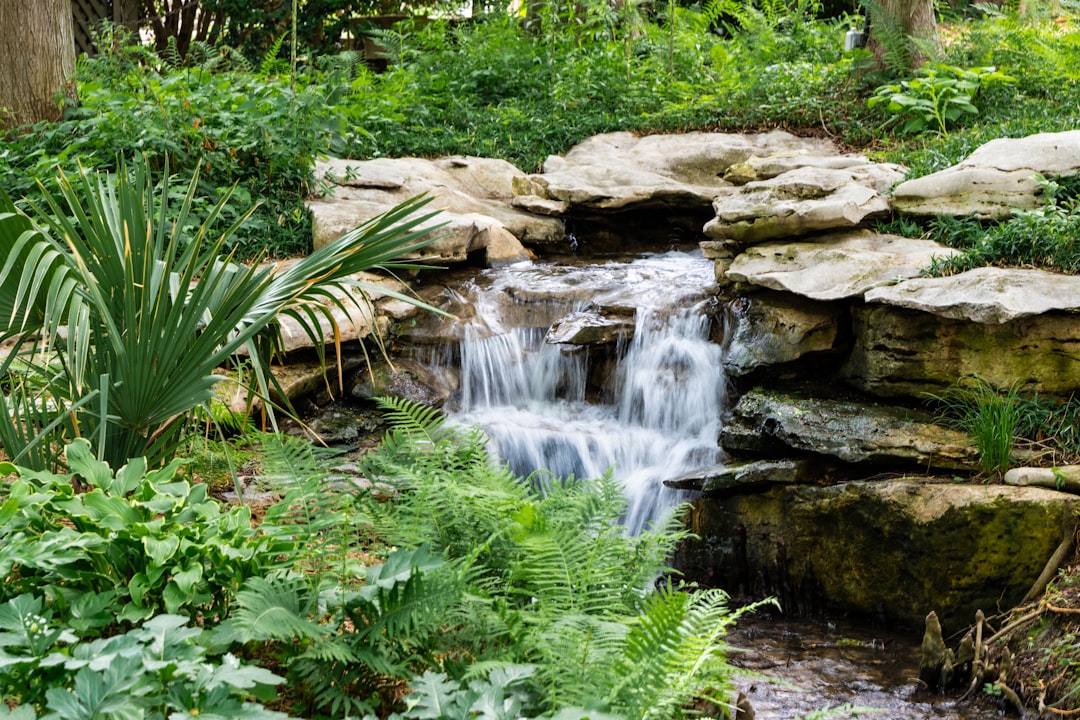
Imagine transforming a dull patch of your yard into a vibrant oasis, teeming with life and color. A natural stream rain garden can be that magical touch, a space where nature and design flow together seamlessly.
You might be wondering how to create such a picturesque scene right in your own backyard. The good news? It's easier than you think! By following some simple steps, you can craft a beautiful, eco-friendly landscape that not only enhances your home’s beauty but also helps manage stormwater efficiently.
Dive into the world of rain gardens and discover how you can harness the natural beauty of a stream to create a serene and sustainable environment. Ready to unlock the secrets of a thriving garden? Keep reading to find out how!
Choosing The Right Location
Select a spot with good sunlight and natural water flow for your stream rain garden. Ensure the area can manage rainwater without causing flooding. This enhances plant growth and prevents waterlogging.
Choosing the right location for your natural stream rain garden is crucial. It sets the foundation for the garden's success. A well-chosen spot ensures proper water flow and plant growth. This section will guide you through key factors in selecting the best location.
Assessing Water Flow
Understanding water flow is vital. Observe the natural path water takes in your yard. Identify low spots where water collects after rain. These are ideal areas for your rain garden. Avoid areas where water flows too quickly. Fast-moving water can damage plants and soil. Ensure the spot can handle excess water without causing erosion.
Considering Sunlight And Shade
Sunlight affects plant growth. Determine how much sun the area receives daily. Some plants need full sun, while others thrive in shade. Choose plants that match the light conditions. This ensures they grow strong and healthy. Remember, shadows change with the seasons. Consider both summer and winter sun positions.
Proximity To Structures
Keep your rain garden away from buildings. This prevents water damage to foundations. Maintain a distance of at least 10 feet from structures. Also, avoid areas with underground utilities. Check for pipes or cables before digging. This ensures safety and avoids costly repairs.
Designing The Stream Layout
Designing the stream layout for a natural stream rain garden requires thoughtful planning. The stream should complement the surrounding landscape while serving its functional purpose. A well-designed stream enhances aesthetic appeal and promotes water management. This section explores key elements to consider in your design.
Natural Contours And Slopes
Observe the land's natural contours and slopes. Use them to guide the stream's path. This approach ensures the stream blends seamlessly into the environment. It also aids in managing water flow naturally. Avoid forced alterations to the landscape. This preserves the natural ecosystem and supports biodiversity.
Creating Meanders And Pools
Introduce gentle meanders to mimic a natural stream. Meanders slow down water flow. This helps reduce erosion and increases infiltration. Create small pools at intervals. Pools provide habitats for aquatic life and support biodiversity. They also offer visual interest to the garden.
Incorporating Rocks And Boulders
Use rocks and boulders to add structure. They help stabilize banks and control water flow. Choose rocks of varying sizes for a natural look. Place larger boulders strategically to create focal points. Smaller rocks can line the streambed. This enhances texture and visual appeal.
Selecting Native Plants
Creating a natural stream rain garden can be a rewarding project, but selecting the right plants is crucial. Native plants not only thrive in local conditions but also support local wildlife, making them an excellent choice for your garden. As you embark on this journey, consider the specific needs of your garden and the benefits that native plants bring.
Understanding Plant Zones
Begin by understanding plant zones. These zones indicate which plants are suitable for your region based on climate. You wouldn’t plant a tropical flower in a temperate zone, right? Check your local plant zone maps to identify the types of plants that will flourish in your area.
Consider what grows well naturally around your home. Are there native plants already thriving? Use them as a guide to choose your garden’s flora.
Choosing Water-loving Species
Water-loving species are essential in a rain garden. They help manage excess water and prevent erosion. Look for plants that naturally grow near streams and wetlands in your region.
Think about plants like sedges, rushes, and irises. They are excellent at soaking up water and can add beautiful textures and colors to your garden.
Integrating Seasonal Varieties
Integrate seasonal varieties to ensure your garden looks vibrant year-round. Choose plants that bloom in different seasons. This keeps your garden attractive and supports local pollinators throughout the year.
Consider planting spring bloomers like trilliums alongside summer favorites such as coneflowers. What plants will you choose to keep your garden colorful in the fall?
Remember, your garden is an evolving ecosystem. Selecting native plants is not just about aesthetics; it’s about creating a sustainable habitat. Each choice you make contributes to the health of your garden and the environment. What native plants are calling to you?
Building The Rain Garden
Creating a natural stream rain garden involves selecting native plants and arranging them to mimic a natural ecosystem. This eco-friendly landscaping solution helps manage rainwater runoff and enhances biodiversity. Proper soil preparation and strategic planting ensure a thriving and self-sustaining garden.
Building a rain garden around a natural stream is an exciting way to enhance your landscape while benefiting the environment. Imagine transforming a simple patch of land into a thriving ecosystem that manages rainwater effectively. By carefully planning and executing the steps to build your rain garden, you create a beautiful, functional space that supports local wildlife and reduces water runoff. Let's dive into the practical steps of bringing your rain garden vision to life.
Excavating And Shaping The Basin
Start by marking the area where your rain garden will be. Use stakes and string to define the boundaries. Make sure the site is at least 10 feet away from any structures to prevent water damage. Excavate the basin to a depth of about 6 to 12 inches, depending on your soil type and drainage needs. The center should be the deepest point, creating a gentle slope towards the edges. This shape allows water to flow naturally and settle in the garden. During excavation, watch out for utility lines and roots. You don't want to damage them. Also, save the topsoil you remove; you'll use it later.
Installing The Liner
Once the basin is ready, it's time to install a liner. This step is crucial if your soil doesn't drain well. Use a durable, puncture-resistant material like rubber or polyethylene. Lay it across the bottom of the basin, ensuring it covers the entire area. Secure the liner edges with stones or landscape staples. This prevents it from shifting over time. Remember, the liner helps control water movement, so take your time to do it right.
Adding Organic Soil Layers
Now, bring back that topsoil you saved. Mix it with compost to enrich your garden bed. This mixture supports plant growth and improves drainage. Spread this organic layer evenly across the basin. Aim for a depth of 6 to 12 inches, depending on your plant choices. Consider adding a layer of mulch on top to retain moisture and suppress weeds. Mulch also adds a finished look to your garden. What types of plants thrive in this environment? Think native species that can handle both wet and dry conditions. By following these steps, you're not just building a rain garden; you're crafting a resilient ecosystem. Each decision you make shapes the landscape and impacts its success. How will you ensure your garden thrives through the seasons?
Ensuring Proper Drainage
Ensuring proper drainage in a natural stream rain garden is crucial for maintaining its health and functionality. Without adequate drainage, water can pool excessively, leading to plant damage and soil erosion. Proper drainage not only preserves the integrity of your garden but also enhances its aesthetic appeal.
Creating Overflow Paths
Designing overflow paths is key to managing excess water during heavy rains. These paths guide surplus water safely away from your garden, preventing flooding. You might consider using natural materials like stones to craft these pathways. Stones blend seamlessly with the garden's natural look and help channel water efficiently.
Using Gravel And Sand Layers
Gravel and sand layers are instrumental in enhancing drainage. They allow water to seep into the ground gradually, reducing surface runoff. When I first built my rain garden, I underestimated the power of sand layers. Adding them transformed my garden, eliminating puddles and promoting healthier plant growth. Have you considered the impact of a simple sand layer?
Maintaining Drainage Pipes
Drainage pipes can be a game-changer in preventing waterlogging. Regular maintenance ensures they function optimally. Check for blockages or damage, especially after storms. A friend once shared how a clogged pipe turned their thriving garden into a swamp. Regular inspections can save you from such headaches.
What strategies do you use to ensure proper drainage in your garden?
- Consider adding stone overflow paths for natural water redirection.
- Implement gravel and sand layers for effective water absorption.
- Regularly inspect and clean drainage pipes to prevent clogs.
These actionable steps can help you maintain a vibrant and sustainable rain garden. Are you ready to transform your stream garden into a drainage masterpiece?
Maintaining The Stream Garden
Design a natural stream rain garden by shaping soil to guide water flow. Plant native species that thrive in wet conditions. Regular maintenance ensures healthy growth and helps prevent erosion.
Maintaining your stream garden is essential for its health and beauty. A well-kept garden not only looks good but also supports local wildlife. Regular maintenance tasks ensure your garden remains a vibrant ecosystem. Let's explore some key areas of maintenance.
Regular Plant Pruning
Trim plants to encourage new growth and maintain their shape. Pruning prevents overcrowding and allows sunlight to reach all plants. This helps them thrive. Use clean, sharp tools to avoid damaging your plants. Be mindful of the seasons, as different plants have unique needs.
Clearing Debris And Sediment
Remove fallen leaves and branches to keep the water flow steady. Debris can block the stream, causing water to pool or stagnate. Sediment buildup may alter the stream's path. Regularly check for sediment and remove it to maintain the stream's natural flow.
Monitoring Water Levels
Keep an eye on the water levels in your stream garden. Too much water can drown plants, while too little can dry them out. Observe changes after heavy rain or dry spells. Adjust your garden's features if necessary to balance water levels.
Enhancing Aesthetic Appeal
Creating a natural stream rain garden offers beauty and function. Enhance its aesthetic appeal for a more inviting space. Thoughtful design elements can transform any rain garden into a picturesque landscape.
Consider elements that enhance the look and feel. Use creativity to turn your rain garden into a peaceful retreat.
Incorporating Decorative Features
Decorative features add charm to your rain garden. Install stones or boulders along the stream. They create a natural look and guide water flow.
Consider adding a small bridge. It offers a focal point and allows crossing the stream. Use materials like wood for a rustic feel. Sculptures or art pieces can personalize the space. Choose designs that blend with the natural environment.
Adding Pathways And Seating
Pathways invite visitors to explore the garden. Use gravel or stepping stones to create them. This ensures easy movement without disturbing plants.
Seating areas encourage relaxation. Place benches near the stream for a peaceful view. Select weather-resistant materials for durability. Arrange seating where shade offers comfort during warm days.
Using Lighting For Ambiance
Lighting transforms the garden at night. Use solar lights to illuminate pathways. This ensures safety while conserving energy.
Highlight key features with spotlights. Focus on waterfalls or unique plants. Use soft lighting to create a warm atmosphere. LED lights offer a variety of color options. Choose hues that complement the garden's natural tones.
Frequently Asked Questions
How Do I Start A Rain Garden Project?
Begin by selecting a suitable location with good drainage. Test the soil to ensure it can absorb water effectively. Design the garden layout, considering native plants that thrive in wet conditions. Prepare the site by removing weeds and debris. Finally, install plants and mulch to retain moisture and reduce erosion.
What Plants Are Best For Rain Gardens?
Native plants are ideal for rain gardens. They adapt well to local climate and soil conditions. Choose species that tolerate wet and dry periods, such as ferns, sedges, and native grasses. Flowering perennials like black-eyed Susans and asters add color and support pollinators.
How Does A Rain Garden Reduce Flooding?
Rain gardens absorb excess rainwater, slowing runoff and reducing flooding. Their design allows water to infiltrate the soil, minimizing stormwater entering drains. This process decreases pressure on stormwater systems, mitigating flood risks in nearby areas and promoting groundwater recharge.
Can I Build A Rain Garden Near A Stream?
Yes, building near a stream enhances water quality and biodiversity. Ensure the garden is above the high-water mark to prevent erosion. Use native plants to stabilize the soil and filter pollutants. Coordinate with local environmental agencies for guidance and permits if necessary.
Conclusion
Creating a natural stream rain garden brings beauty and function. It's a great choice for eco-friendly landscaping. Start by planning the layout and selecting native plants. Native plants thrive and support local wildlife. Arrange stones for natural stream flow. Ensure proper drainage and plant spacing.
Regular maintenance keeps the garden healthy and attractive. This garden style helps manage rainwater effectively. It also enhances the environment and adds charm to your space. Embrace the benefits of this sustainable design. Enjoy the peaceful beauty it offers all year round.
Your garden will thrive, benefiting nature and your home.


