
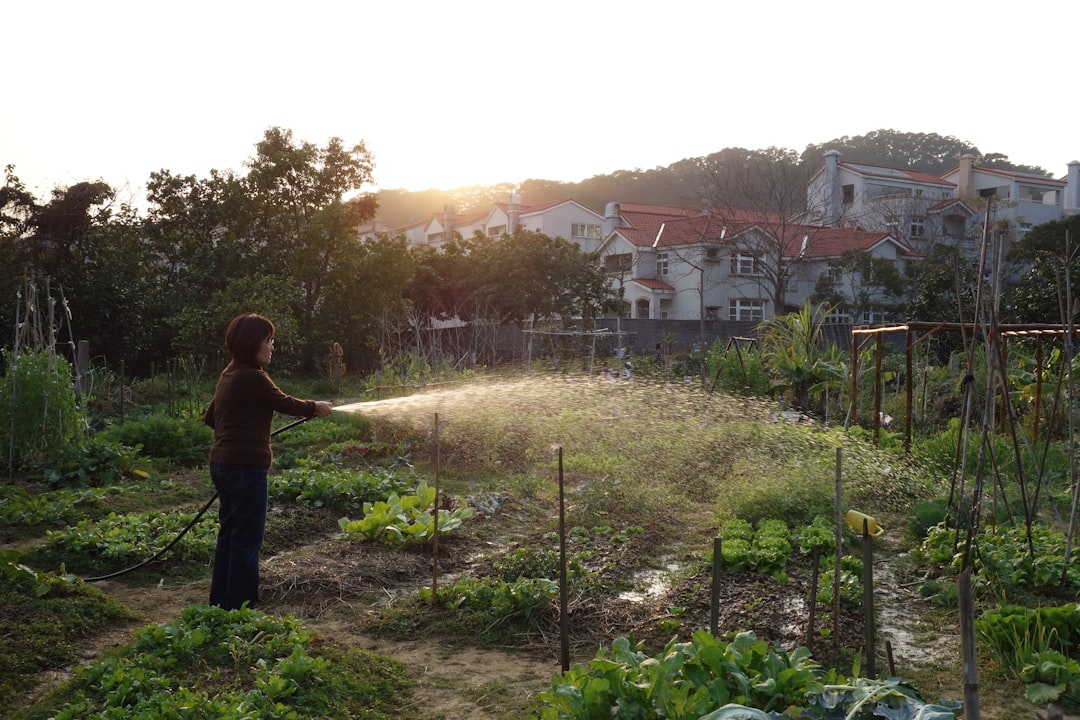
Imagine stepping into your garden, a sanctuary bursting with vibrant greens and colorful blooms, free from harmful chemicals and pesticides. Your organic garden is not just a picturesque sight; it's a living, breathing ecosystem that nurtures both plants and your well-being.
But what exactly makes an organic garden? It's more than just a trend; it's a commitment to natural growth and sustainability that can transform your outdoor space into a thriving haven. As you delve deeper into this article, you'll uncover the secrets and essentials that define an organic garden.
You'll discover how simple changes can make your garden healthier and more sustainable, and you'll see how these practices can bring a sense of harmony and peace to your life. Get ready to explore the magic of growing naturally and learn how you can cultivate your very own organic paradise.
Choosing The Right Location
Choosing the right location for an organic garden is crucial. The location affects the growth and health of your plants. It determines how much sunlight and nutrients your plants get. A well-chosen spot can lead to a thriving garden.
Sunlight And Shade
Sunlight is vital for plant growth. Most vegetables need at least six hours of sun daily. Observe your garden area at different times. Identify spots with the most sunlight. Some plants thrive in partial shade. Leafy greens like lettuce and spinach can grow in less sun.
Soil Quality
Soil quality impacts plant health. Good soil is rich and drains well. Test your soil for nutrients and pH levels. Many garden stores offer test kits. Amend your soil if needed. Compost or organic matter can improve it. Healthy soil supports healthy plants.
Preparing The Soil
Creating a thriving organic garden starts with healthy soil. Preparing the soil involves enriching it with nutrients. It sets the foundation for healthy plant growth. With the right preparation, your garden will flourish. Let's explore the key steps for preparing your soil.
Composting Basics
Composting is essential for enriching garden soil. It recycles kitchen scraps and yard waste into nutrient-rich compost. To start, choose a composting method. You can use a bin or a simple pile. Add a mix of green and brown materials. Greens include fruit scraps and vegetable peels. Browns are dry leaves and twigs. Turn the compost regularly to speed up decomposition. After a few months, you'll have rich compost. Add it to your soil to boost fertility.
Natural Fertilizers
Natural fertilizers provide essential nutrients without chemicals. They improve soil structure and encourage healthy plant growth. One option is manure, which is rich in nitrogen. Ensure it's well-rotted before applying. Another choice is bone meal, a source of phosphorus. It promotes root development. Fish emulsion is also beneficial. It provides a balanced nutrient mix. Remember to apply fertilizers sparingly. Too much can harm your plants. Test your soil to know what nutrients it needs. This ensures balanced growth and healthy plants.
Selecting Plant Varieties
Selecting the right plant varieties is crucial for a thriving organic garden. Different plants have unique needs and benefits. Choosing wisely helps create a balanced ecosystem. This section explores two key strategies: native plants and companion planting.
Native Plants
Native plants are those that naturally occur in your region. They adapt well to local soil and climate conditions. This means less work for you. These plants often resist pests and diseases better than non-native species. Birds and insects thrive around native plants. They provide essential food and shelter. Native plants also support biodiversity. Their presence encourages a healthy garden environment.
Companion Planting
Companion planting involves grouping plants that benefit each other. Some plants repel pests that harm their companions. Others improve soil nutrients or enhance growth. For example, marigolds deter nematodes that affect vegetable roots. Basil near tomatoes can boost flavor and repel insects. Companion planting maximizes space and resources. It fosters a harmonious garden ecosystem. This method reduces the need for chemical inputs.
Watering Techniques
Watering techniques define an organic garden's success. Properly timed watering supports plant growth and soil health. Organic methods promote sustainability, enriching the ecosystem naturally.
Watering your organic garden is an art and science that can significantly impact the health and productivity of your plants. The right techniques can make the difference between a thriving garden and one that struggles. Let's dive into some effective watering methods to ensure your garden flourishes.
Efficient Irrigation
Efficient irrigation is crucial for conserving water and ensuring your plants get what they need. You might be surprised how much water is wasted with traditional watering methods. Consider using drip irrigation systems that deliver water directly to the roots. These systems reduce evaporation and runoff, allowing you to water during the day without losing moisture. Another approach is using soaker hoses which are affordable and easy to install. They release water slowly, ensuring a deep soak that encourages roots to grow downward. Have you ever noticed how a shallow watering can lead to weak root systems? By focusing on deep, infrequent watering, you help your plants develop strong roots. This makes them more resilient to droughts and reduces your overall water usage.
Rainwater Harvesting
Rainwater harvesting is an excellent way to make the most of nature's bounty. It’s simple: collect rainwater from your roof or other surfaces and store it for garden use. A rain barrel system can be set up in an afternoon and pays off quickly. Using rainwater can reduce your reliance on municipal water supplies. It’s also naturally soft and free of chemicals like chlorine, which can be present in tap water. This makes it ideal for sensitive plants and seedlings. If you’ve ever stood outside during a rainstorm, you’ve seen how efficiently nature waters plants. Why not capture some of that efficiency for your own garden? Consider adding a filtration system to keep debris out of your collected water, ensuring it’s clean and ready to nurture your plants. Do you think about the environmental impact of your garden practices? Harvesting rainwater is a sustainable choice that benefits both your garden and the planet. By adopting these watering techniques, you can create a thriving organic garden that respects nature’s resources.
Pest Control Strategies
An organic garden thrives by using natural pest control strategies. These include companion planting, beneficial insects, and homemade sprays. Healthy soil and compost also play a key role in keeping pests at bay.
Pest control is a crucial element in maintaining a thriving organic garden. Without synthetic pesticides, you might wonder how to protect your plants from those pesky invaders. The good news is that there are natural ways to keep your garden safe and flourishing. With a mix of beneficial insects and organic solutions, you can create a balanced ecosystem right in your backyard. Let's delve into these strategies to make your garden a pest-free haven.
Beneficial Insects
Imagine a tiny army working tirelessly in your garden. These beneficial insects are your natural allies in pest control. Ladybugs, for instance, are voracious eaters of aphids. You can attract them by planting marigolds or daisies. It’s like rolling out the red carpet for these helpful critters. Another friend is the praying mantis. They munch on a variety of insects, keeping your garden in check. Encourage their presence by providing tall grasses or shrubs. It’s fascinating how nature provides its own pest control team. Consider the lacewing, known for its appetite for aphids and caterpillars. You can buy lacewing eggs online and introduce them to your garden. This practical step can save your plants from unwanted nibbling.
Organic Solutions
Organic solutions are a gardener’s best friend. Imagine using ingredients from your kitchen to protect your plants. Garlic spray is a simple yet effective remedy. Blend garlic cloves with water and spray it on your plants. This keeps pests away without harming your garden's ecosystem. Neem oil is another powerful tool. Derived from the seeds of the neem tree, it disrupts the life cycle of insects. Mix it with water and apply it to affected areas. Neem oil is safe for plants and poses no risk to beneficial insects. Ever tried diatomaceous earth? This powder is made from fossilized algae and works wonders against soft-bodied insects. Sprinkle it around your plants to create a protective barrier. It's a straightforward approach that can make a significant difference. What strategies have you tried in your garden? Have you found success with beneficial insects or organic solutions? Share your experiences and tips. Your insights might inspire others to embrace organic gardening and its natural pest control methods.
Maintaining Plant Health
Healthy plants form the backbone of any thriving organic garden. Keeping them in top shape ensures a bountiful harvest. Regular care and attention are key. This involves several techniques that nurture and protect plants.
Let's explore some essential methods for maintaining plant health.
Pruning And Trimming
Pruning helps plants grow stronger. Removing dead branches boosts growth. It also improves air circulation around plants. Trimming keeps plants neat and encourages new growth. Regular trimming prevents diseases from spreading. It also keeps plants in the desired shape and size.
Disease Prevention
Disease prevention starts with healthy soil. Rotate crops to avoid soil diseases. Choose disease-resistant plant varieties. These are less likely to get sick. Keep an eye out for pests and remove them quickly. Use natural remedies to handle pest issues. Clean tools before and after use to stop disease spread. Proper spacing between plants ensures good air flow. This reduces the chance of disease.
Seasonal Gardening Tips
Seasonal gardening tips help keep your organic garden thriving all year. Each season requires different care and preparation. Following these tips ensures your garden stays healthy and productive. Understanding what each season demands can enhance your gardening experience.
Spring Preparations
Spring is the time to prepare your garden for growth. Start by cleaning up any debris left from winter. Check the soil condition and add compost for nutrients. Consider planting seeds indoors to give them a head start. Select plants that thrive in spring weather.
Plan your garden layout before planting. This saves time and ensures proper space for growth. Watering is crucial during spring. Regularly check moisture levels and adjust as needed. Use mulch to retain soil moisture. It also prevents weed growth.
Fall Clean-up
Fall clean-up prepares your garden for winter. Begin by removing dead plants and leaves. These can harbor pests or disease. Clean up garden beds to prevent problems next season. Consider planting cover crops. They enrich soil and prevent erosion.
Prune perennial plants to promote healthy growth in spring. Store garden tools properly to prevent rust. Collect seeds from healthy plants. Save them for next year’s planting. Consider adding a layer of mulch to protect soil. This helps during cold months.
Frequently Asked Questions
What Defines An Organic Garden?
An organic garden avoids synthetic chemicals and uses natural methods. It focuses on soil health and biodiversity. Organic gardening encourages the use of compost, natural fertilizers, and pest control. This approach supports sustainable and eco-friendly practices, promoting healthier plants and produce.
How Do Organic Gardens Benefit The Environment?
Organic gardens reduce chemical runoff and improve soil quality. They support biodiversity and help conserve water. By avoiding synthetic pesticides, they protect pollinators and local wildlife. These gardens promote sustainable practices, reducing the carbon footprint and fostering a healthier ecosystem.
What Are The Essential Components Of An Organic Garden?
Essential components include organic soil, compost, and natural fertilizers. Mulching helps retain moisture and suppress weeds. Companion planting aids in pest control and plant growth. Crop rotation is vital for maintaining soil fertility and preventing disease. All these components contribute to a thriving organic garden.
How Can I Start An Organic Garden At Home?
Start by selecting a suitable location with good sunlight. Prepare the soil with organic compost and natural fertilizers. Choose organic seeds or seedlings. Practice crop rotation and companion planting. Use natural pest control methods. Regularly water and maintain your garden to ensure healthy growth.
Conclusion
An organic garden thrives on natural care and patience. Choosing native plants ensures better growth. Natural fertilizers enrich the soil without harm. Regular composting boosts plant health. Insect control uses natural predators, not chemicals. Watering wisely conserves resources and promotes growth.
Observing plants daily helps catch issues early. Small steps make a big difference. Organic gardening nurtures both plants and the planet. It’s a rewarding journey with many benefits. Begin today, and watch nature flourish. Your garden will thank you. So will the Earth.
Happy gardening!


