Imagine stepping into your backyard and seeing a lush, vibrant garden filled with your favorite vegetables and herbs, all thriving in a compact 4x4 raised bed. You're probably wondering, "How much can I really plant in a space this size?"
The answer might surprise you. With a bit of planning and the right techniques, your small garden can yield a bountiful harvest that satisfies your green thumb and your taste buds. As you explore the possibilities, you'll discover practical tips and clever strategies that make the most of every inch.
Ready to transform your gardening dreams into reality? Dive in and uncover the secrets to maximizing your 4x4 raised garden!
Choosing The Right Plants
Planning a 4x4 raised garden can be exciting. The right plant choices make a big difference. You want a garden that thrives. This means picking plants that fit your space. Consider growth habits and sunlight needs. You can grow various plants in small spaces. From vegetables to herbs, each adds flavor and nutrition. Let's explore some great options.
Vegetables For Small Spaces
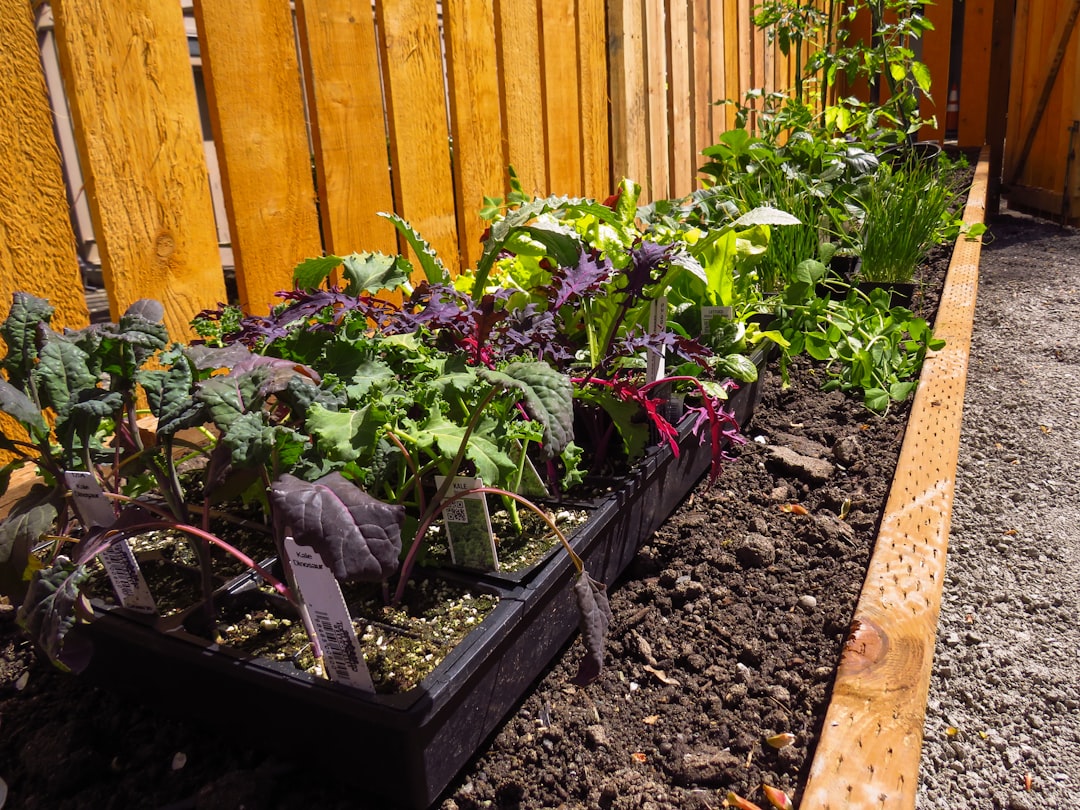
Many vegetables grow well in tight spaces. Leafy greens like spinach and lettuce are top choices. They grow fast and don't need much room. Radishes and carrots work well too. They have small roots, ideal for small gardens. Tomatoes can grow in pots or raised beds. Choose bush varieties to save space. Peppers and bush beans are also great picks.
Herbs And Their Benefits
Herbs are perfect for a small garden. They have many benefits. Basil, parsley, and cilantro add flavor to meals. They also attract beneficial insects. Mint and oregano spread quickly. Plant them in containers to control their growth. Rosemary and thyme are hardy. They thrive in small spaces and need little care. Herbs are useful and beautiful.
Companion Planting Ideas
Companion planting helps plants grow better. Some plants help each other thrive. Tomatoes and basil are good companions. They enhance each other's growth. Carrots and onions grow well together. They deter pests naturally. Lettuce grows well with strawberries. This mix maximizes space and reduces weeds. Try marigolds with your vegetables. They repel harmful insects naturally.
Planning Your Garden Layout
Planning your garden layout is essential for a successful 4X4 raised garden. A well-thought-out design maximizes space and boosts plant growth. By organizing efficiently, you ensure each plant gets the right amount of sun and water. It helps avoid overcrowding, which can stunt growth.
Understanding the needs of your plants is key. Some plants need more room, while others thrive in smaller spaces. Choosing the right layout method can significantly impact your garden's productivity.
Square Foot Gardening Method
The Square Foot Gardening method divides your garden into one-foot squares. Each square hosts a different plant or group of plants. This method helps you maximize space in a 4X4 garden. It allows you to grow a variety of crops efficiently.
Planting in square feet helps maintain order. It simplifies the planting process and reduces waste. This method also makes it easier to rotate crops. Rotating crops improves soil health and minimizes pests.
Vertical Planting Techniques
Vertical planting techniques utilize vertical space, perfect for small gardens. Growing plants upwards saves ground space. It’s ideal for climbing plants like tomatoes, peas, and beans.
Using trellises or vertical supports can increase your garden's capacity. They help plants get more sunlight. Vertical planting also improves air circulation. This reduces the risk of plant diseases.
Combining these methods can greatly enhance your garden. They ensure you make the most of every inch. This thoughtful planning leads to a thriving 4X4 garden.
Soil And Nutrient Management
Growing a lush garden in a 4x4 raised bed requires thoughtful soil and nutrient management. Healthy plants start with great soil. Nutrients keep them thriving. Explore how soil mix and natural fertilizers can enhance your garden's growth.
Soil Mix For Raised Beds
Choosing the right soil mix is crucial. Raised beds need a balanced blend. Use a mix of topsoil, compost, and peat moss. Topsoil provides structure. Compost enriches with organic matter. Peat moss aids in moisture retention. Aim for a loose, well-draining texture. This helps roots to grow strong and healthy.
Natural Fertilizers And Amendments
Natural fertilizers boost plant health. Consider using worm castings. They enrich the soil with nutrients. Bone meal is great for phosphorus. It supports root development. Blood meal adds nitrogen. This promotes leafy growth. Organic amendments like green sand improve soil minerals. Regularly check soil health. Adjust amendments as needed. Keep your garden thriving.
Watering And Maintenance Tips
A 4x4 raised garden offers a compact space for growing vegetables. Efficient watering and regular maintenance are key to a thriving garden. Proper care ensures healthy plants and abundant harvests. Simple techniques can improve your gardening success.
Efficient Watering Systems
Drip irrigation works well in small gardens. It provides consistent moisture to plant roots. Water drips slowly, reducing waste and evaporation. Soaker hoses are another option. They water the soil directly, minimizing leaf wetness. Timers automate watering, saving time and effort. Ensure even coverage for all plants.
Pest And Disease Control
Healthy plants resist pests and diseases better. Remove weeds regularly; they harbor pests. Inspect plants for signs of damage. Use insecticidal soap for soft-bodied insects. Introduce beneficial insects like ladybugs. They consume harmful pests naturally. Rotate crops to prevent disease buildup. Maintain plant diversity to confuse pests.
Seasonal Planting Guide
Discover how much you can plant in a 4x4 raised garden bed. This space can accommodate around 16 different plants. Choose wisely among vegetables and herbs for a thriving seasonal garden.
In a 4x4 raised garden, the changing seasons offer a chance to maximize your planting potential with a strategic approach. With a little planning, you can enjoy a variety of fresh produce throughout the year. Understanding which crops thrive in different seasons will help you make the most of your limited space. Let’s dive into a seasonal planting guide that can transform your small garden into a year-round source of fresh, homegrown food.
Spring And Summer Crops
Spring brings the excitement of new beginnings, and your 4x4 garden is no exception. Start with cool-season crops like lettuce, spinach, and radishes. They thrive in the mild temperatures of early spring. As the weather warms, transition to summer favorites such as tomatoes, peppers, and basil. These plants love the sun and will fill your garden with vibrant color and flavor. Consider planting bush beans as they grow quickly and provide multiple harvests. You might be surprised at how much you can harvest from such a compact space. Use vertical space wisely by staking cucumbers or pole beans. This approach saves ground space for other crops.
Fall And Winter Options
As the days shorten, shift your focus to hardy crops that can withstand cooler temperatures. Kale, broccoli, and brussels sprouts are excellent choices for fall planting. They not only survive the cold but often taste sweeter after a frost. Imagine picking fresh greens from your garden while everything else around seems to wither. Plant garlic and onions in the late fall for a head start on spring growth. These crops require little maintenance over winter and will reward you with an early harvest. If you’ve never tried overwintering vegetables before, why not give it a shot? It’s a great way to extend your growing season and make your garden work for you year-round. What’s your plan for your 4x4 garden this year? Embrace the seasons and explore the endless possibilities right outside your door. With careful planning, each season brings a fresh opportunity to grow and enjoy your own food.
Harvesting And Crop Rotation
A 4x4 raised garden offers space for diverse plants. Crop rotation keeps soil healthy, preventing nutrient depletion. Harvesting can be plentiful with the right planning, maximizing the small space.
Planting in a 4x4 raised garden can be an immensely rewarding endeavor, providing fresh produce and a touch of nature right at your doorstep. However, the key to maximizing your yield lies in understanding the art of harvesting and the science of crop rotation. These two elements ensure that your garden remains productive and healthy throughout the growing season. Let’s delve into some best practices and benefits that will help you make the most of your compact garden space.
Best Practices For Harvesting
Timely harvesting is crucial for encouraging continuous growth. Pick vegetables like lettuce and spinach when they're young and tender. Doing so not only ensures better taste but also promotes further growth from the same plant. For root vegetables, such as carrots and beets, check the size by gently brushing away the soil at the top. If they seem ready, pull them gently to avoid breaking. This practice helps maintain the quality of your produce. Using sharp scissors or a knife for harvesting can prevent damage to the plants. This approach helps them recover quickly and continue producing. Consider setting a specific day each week for harvesting to keep your garden productive and organized.
Benefits Of Crop Rotation
Crop rotation is a simple yet effective strategy to maintain soil health. By changing the location of your plant families each season, you prevent soil nutrient depletion. This practice also helps reduce the risk of pests and diseases that target specific crops. Different crops have varying nutrient needs and root structures. Rotating them ensures balanced soil nutrition and better aeration. For instance, follow leafy greens with root vegetables to maximize nutrient use. Planning your crop rotation can be a fun puzzle to solve. Use a garden journal to track what you plant each season. Have you noticed healthier plants and fewer pests? If so, you're likely already reaping the benefits of crop rotation. Both harvesting and crop rotation require some learning and experimentation. Have you tried different techniques in your garden? Consider sharing your insights with fellow gardeners. Your experiences could inspire others to try new methods, leading to thriving 4x4 gardens everywhere.
Frequently Asked Questions
What Can You Grow In A 4x4 Raised Garden?
A 4x4 raised garden can accommodate a variety of plants. You can grow herbs like basil and thyme, leafy greens such as lettuce, and compact vegetables like carrots and radishes. It's ideal for small fruits like strawberries too. Plan wisely to maximize space and yield.
How Many Plants Fit In A 4x4 Garden?
In a 4x4 raised garden, you can fit around 16 to 64 plants. The number depends on plant size and spacing. Larger plants need more space, while smaller ones can be planted closer together. Consider vertical growing for more efficiency.
Is A 4x4 Garden Good For Beginners?
Yes, a 4x4 raised garden is great for beginners. It's manageable and easy to maintain. With its compact size, you can learn gardening basics without being overwhelmed. It allows experimenting with different plant types and growing techniques.
How Should I Arrange Plants In A 4x4 Garden?
Arrange plants by height, with taller ones in the back. Consider sunlight requirements and companion planting. Use square foot gardening techniques to maximize space. Group similar water-needing plants together. Rotate crops seasonally to maintain soil health.
Conclusion
A 4x4 raised garden can grow many plants. It's efficient. Consider plant size and growth needs. Maximize space with smart planning. Choose compatible plants for best results. Rotate crops seasonally to maintain soil health. Enjoy fresh veggies and herbs. Gardening offers joy and healthy food.
Try different combinations each season. Track what works best in your garden. Share your harvest with family or friends. A small space can yield big rewards. Happy gardening!