Are you dreaming of a lush, vibrant garden bursting with color and life? Knowing when to plant your garden is the secret ingredient that can transform your outdoor space into a thriving paradise.
Timing is everything when it comes to gardening, and understanding the nuances can make or break your success. Imagine stepping into your backyard to find blossoms everywhere, with vegetables ripe for picking. This vision is within reach, but it requires knowing exactly when to sow your seeds.
Stick with us, and you’ll discover the precise moments to plant for each season, tailored to your specific climate. Unlock the potential of your garden, and enjoy the fruits of your labor all year round. Ready to dig in? Let's get started!
Understanding Seasonal Planting
Understanding the best time to plant your garden is crucial. Seasonal planting ensures your plants thrive. It aligns with nature's cycles. Each season offers unique opportunities and challenges for gardeners. By understanding these, you can grow healthier plants. This guide will help you navigate the seasons effectively.
Spring: The Season Of Renewal
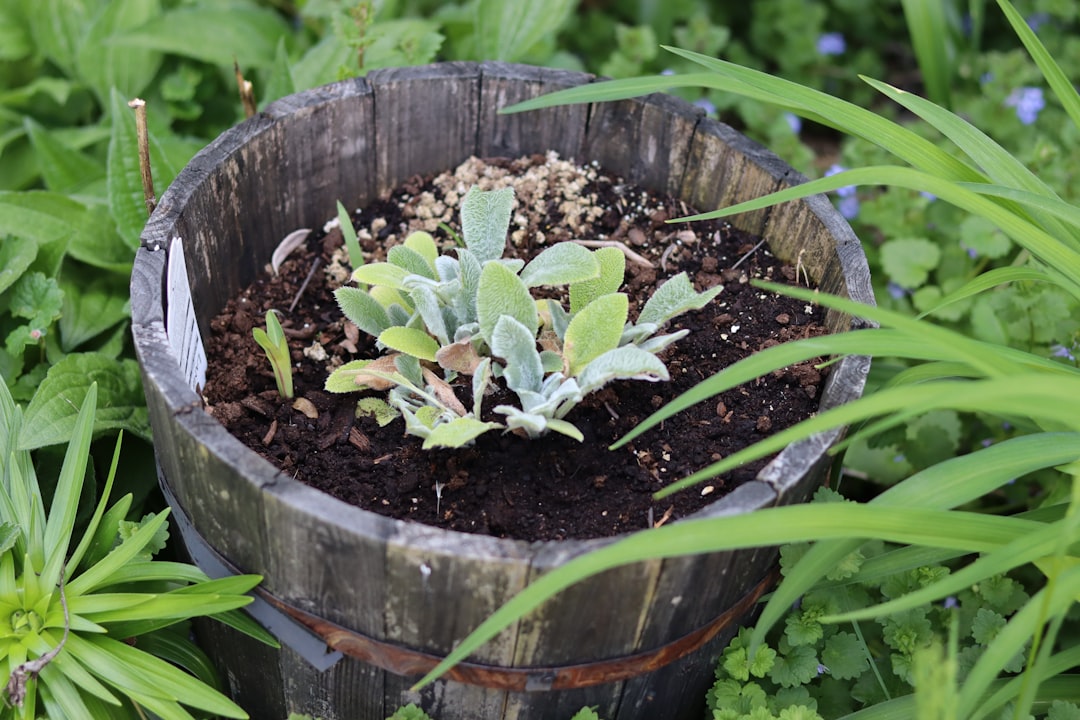
Spring is a time of rebirth. The soil warms up, inviting seeds to sprout. It's perfect for planting cool-season vegetables. Think lettuce and spinach. Flowers like pansies and violas also bloom beautifully. Spring rains help seedlings grow strong. Remember to check frost dates in your area.
Summer: Embrace The Heat
Summer brings heat and longer days. Warm-season crops thrive now. Tomatoes, peppers, and cucumbers love the sun. Water your plants regularly to keep them healthy. Mulching helps retain soil moisture. Be mindful of pests as they are more active.
Fall: Prepare For The Cooler Months
Fall is ideal for planting hardy vegetables. Broccoli, cabbage, and carrots do well. The soil is still warm, but the air cools down. Planting bulbs like tulips and daffodils now ensures spring blooms. Fall is also a good time for transplanting perennials.
Winter: Rest And Plan Ahead
Winter is a time for rest. The garden slows down. Focus on maintaining soil health. Add compost and mulch to enrich it. Plan your garden for the coming seasons. Start seedlings indoors if needed. Enjoy the quiet and prepare for spring’s return.
Climate And Zone Considerations
Choosing the right time to plant your garden is crucial for its success, and understanding the climate and zone considerations is a key part of this process. Your garden's health largely depends on how well you adapt to the climate in your area. Knowing your hardiness zone and understanding local weather patterns can make all the difference in your gardening journey. Let's dive into these important aspects to help you plant your garden at the perfect time.
Identifying Your Hardiness Zone
The first step in planning your garden is identifying your hardiness zone. This is a classification system that helps you understand the climatic conditions in your area. It is based on the average annual minimum winter temperature.
Use the USDA Plant Hardiness Zone Map, which divides the U.S. into 13 zones. Each zone represents a specific temperature range. Knowing your zone gives you a clearer idea of which plants will thrive in your garden.
Have you ever planted a flower only to see it wilt the next day? That might be because it wasn't suitable for your zone. This tool helps you avoid such disappointments.
Adapting To Local Weather Patterns
Even within the same hardiness zone, weather patterns can vary. It's crucial to pay attention to local forecasts. A sudden frost or unexpected heatwave can impact your planting schedule.
Consider keeping a gardening journal. Note down unusual weather patterns each year. This helps in predicting changes and adjusting your planting times accordingly.
Have you ever thought about how a rainy spring might affect your garden? You can use this knowledge to prepare your soil and choose the right time to plant.
Engage with local gardening communities. They often have insights into unique weather quirks in your area. This can be a valuable resource for adapting to local conditions.
Now, ask yourself: Are you ready to plant at the optimal time this year? Understanding your climate and zone can be the game-changer in your gardening success.
Spring Planting Guide
Spring is a time of renewal and growth. It's perfect for planting your garden. Knowing what to plant when can boost your garden's success. The following guide will help you choose the right crops for spring planting.
Cool-season Crops
Cool-season crops thrive in cooler temperatures. They are planted early in spring. These crops include lettuce, spinach, and peas. They tolerate frost and can be planted as soon as the soil is workable. You can enjoy fresh greens before the heat arrives.
Radishes and carrots are also good options. They grow well in cool weather. You can sow them directly into the ground. Monitor moisture levels to ensure healthy growth.
Warm-season Vegetables
Warm-season vegetables need warmer soil and air temperatures. They should be planted after the last frost date. Tomatoes, peppers, and cucumbers are popular choices. They require full sun and rich soil to flourish.
Melons and squash are great for summer gardens. They need heat to grow strong and produce fruit. Wait for the soil to warm before planting. Use mulch to retain moisture and control weeds.
Planning your garden according to the season can yield delicious results. Choose crops that suit your climate and soil conditions. Enjoy the process and watch your garden grow.
Summer Planting Opportunities
Summer offers a vibrant time for planting. The longer days and warm temperatures promote growth. With the right plants, your garden will thrive in summer's heat. Recognize which plants flourish and when to rotate crops for the best yield.
Heat-tolerant Plants
Some plants love the heat. Zinnias, marigolds, and sunflowers brighten gardens under the sun. Okra and eggplants produce abundantly in warm soil. These plants handle high temperatures well. Choose these for a colorful and productive summer garden.
Mid-season Crop Rotation
Mid-season is ideal for crop rotation. It keeps soil healthy and reduces pests. After early harvests, plant beans or squash. They replenish soil nutrients and provide variety. This method ensures continuous garden growth and balance.
Fall Planting Strategies
Planting gardens in fall requires timing strategies for success. Plant bulbs and perennials before the first frost. Cool-season vegetables like spinach and lettuce thrive in chilly soil.
As autumn leaves begin to paint the landscape in hues of orange and gold, your garden can still thrive with the right fall planting strategies. While many might think of spring as the prime planting season, fall offers unique opportunities to cultivate vibrant vegetables and prepare your garden for the colder months. By understanding how to plant late-season vegetables and prepare your garden for winter, you can enjoy fresh produce longer and have a head start on the next growing season.
Late-season Vegetables
Planting late-season vegetables can be your ticket to enjoying fresh salads and hearty stews even when the temperatures drop. Have you ever tried growing kale in the fall? Its leaves become sweeter after a light frost, making it a delightful addition to your meals. Consider planting carrots and beets, which thrive in cooler weather and can be harvested well into the late fall. Radishes, with their quick growth, offer almost instant gratification and can be sown several times before the first hard freeze. Keep an eye on your local frost dates to time your planting perfectly. This way, you’ll reap the rewards of your fall garden efforts with minimal hassle.
Preparing For Winter
As you savor the last crops of the season, it's time to think about preparing your garden for winter. Start by clearing out dead plants and weeds. This simple step can help prevent pests and diseases from overwintering in your soil. Adding a layer of mulch can protect your soil from erosion and help retain moisture. It's like tucking your garden in with a cozy blanket for the winter months. You might also consider planting cover crops like rye or clover. These can enhance your soil's health by fixing nitrogen and improving its structure. Take a moment to assess your garden tools. Sharpen blades, oil moving parts, and store them properly to ensure they're ready for next spring. What steps will you take to ensure your garden is not only surviving but thriving come spring? By investing time in fall planting strategies, you're setting the stage for a more fruitful and rewarding gardening experience in the seasons to come.
Winter Planting Options
Garden planting in winter requires careful timing. Cool-season vegetables like kale and spinach thrive when planted in late fall. Early winter is perfect for hardy perennials, allowing roots to establish before spring growth.
Winter brings its own set of challenges and opportunities for garden enthusiasts. While the chill might seem like a barrier, with the right strategies, you can keep your green thumb active year-round. Winter planting options offer a way to maintain the joy of gardening, even when the snow falls. Let's explore some practical methods to make the most of this season.
Indoor Gardening Techniques
Indoor gardening is a fantastic way to grow plants during the winter months. It allows you to control the environment and protect your plants from harsh weather. Begin with herbs like basil, mint, or parsley, as they thrive indoors with minimal effort. Set up a small area near a window with plenty of natural light. If natural light is scarce, consider using grow lights to help your plants flourish. Keep the temperature consistent and ensure proper air circulation to mimic outdoor conditions. Use pots with drainage holes to prevent waterlogging. Overwatering is a common mistake, so check the soil moisture before adding more water. Indoor gardening can be a rewarding hobby, bringing greenery and freshness into your home.
Cold Frame And Greenhouse Use
Cold frames and greenhouses offer excellent solutions for winter gardening. They extend the growing season by creating a warmer microclimate. This setup can protect your plants from frost and harsh winds. A cold frame is a simple structure, often made of wood and glass or plastic. It acts like a mini-greenhouse, trapping heat from the sun. You can use it to start seedlings or grow hardy vegetables like spinach and kale. Greenhouses provide a more robust option, allowing you to grow a wider variety of plants. They require a bigger investment but offer greater control over temperature and humidity. Are you ready to take your winter gardening to the next level with these tools? Both options help you keep gardening during winter, nurturing your passion and expanding your skills. Have you considered setting up a cold frame or greenhouse in your garden? Let these tools help you make the most of the colder months.
Using Planting Calendars
Planting calendars are vital tools for any gardening enthusiast. They guide you on the best times to plant different vegetables, flowers, and herbs. These calendars consider your local climate, weather patterns, and plant types. They help ensure you plant at the right time for optimal growth. Using a planting calendar can save you time and effort, while increasing your garden’s yield.
Creating A Personalized Calendar
A personalized planting calendar can be a great asset. Start by identifying your local climate zone. This affects when plants can thrive in your area. Next, list the plants you want to grow. Consider their specific planting times. Use this information to create a schedule. Online tools can help you craft a customized calendar. They often include frost dates and planting tips. Tailoring the calendar to your garden's needs maximizes success.
Adapting To Unexpected Changes
Weather can be unpredictable, affecting planting plans. Stay flexible and adapt your calendar if needed. Keep an eye on weather forecasts. If a frost is coming, delay planting tender plants. Unexpected rain can also change planting schedules. Prepare for these changes by having backup plans. Protect young plants with covers or move them indoors. Adapting quickly can save your garden from potential damage.
Tips For Successful Planting
Successful planting requires more than just placing seeds in the soil. Understanding the essentials can help your garden thrive. Let's dive into the key tips that ensure healthy growth and abundant harvests.
Soil Preparation
Start with testing your soil's pH. This helps determine nutrient needs. Most plants prefer a pH between 6.0 and 7.0. Add organic matter like compost to improve soil structure. This enhances drainage and nutrient content. Remove weeds and debris to give plants space to grow. Loosen the soil with a garden fork. This promotes root penetration and aeration.
Watering And Fertilization
Water plants deeply but infrequently. This encourages deep root growth. Morning is the best time to water. It reduces evaporation and fungal diseases. Use mulch to retain moisture and suppress weeds. Choose the right fertilizer for your plants. Read labels for correct application rates. Over-fertilization can harm plants and the environment. Regularly check for signs of nutrient deficiency. Yellow leaves may indicate a need for more nitrogen.
Frequently Asked Questions
What Is The Best Month To Plant A Garden?
The best month to plant a garden varies by region. Typically, spring months like March to May are ideal. This is when temperatures are mild, and the risk of frost is minimal. However, in warmer climates, fall planting can also be successful.
How Does Climate Affect Planting Time?
Climate plays a significant role in determining planting time. Cooler climates may require later planting, while warmer areas allow for earlier starts. Understanding your local climate ensures that plants thrive. Monitor local frost dates and average temperatures to optimize your garden's growth potential.
Why Is Soil Preparation Important Before Planting?
Proper soil preparation ensures healthy plant growth. It improves drainage, provides essential nutrients, and enhances root development. Before planting, test your soil's pH and nutrient levels. Amending the soil with compost or organic matter can create an ideal growing environment for your plants.
How Do I Choose The Right Plants?
Selecting the right plants depends on your climate, soil type, and garden space. Research plants suitable for your region and consider their sunlight and water needs. Native plants are often more resilient and require less maintenance, making them a great choice for beginners.
Conclusion
Choosing the right time to plant your garden is crucial. Each plant has its own ideal planting season. Start by checking your local climate and soil conditions. Planning helps ensure healthy growth and vibrant blooms. Early spring is often best for many vegetables and flowers.
Consider the frost dates and weather patterns in your area. Prepare your soil well before planting. Use compost to enrich it. Water consistently and monitor growth. This keeps your garden thriving all season. With these simple steps, you can enjoy a lush garden full of life.
Happy planting!