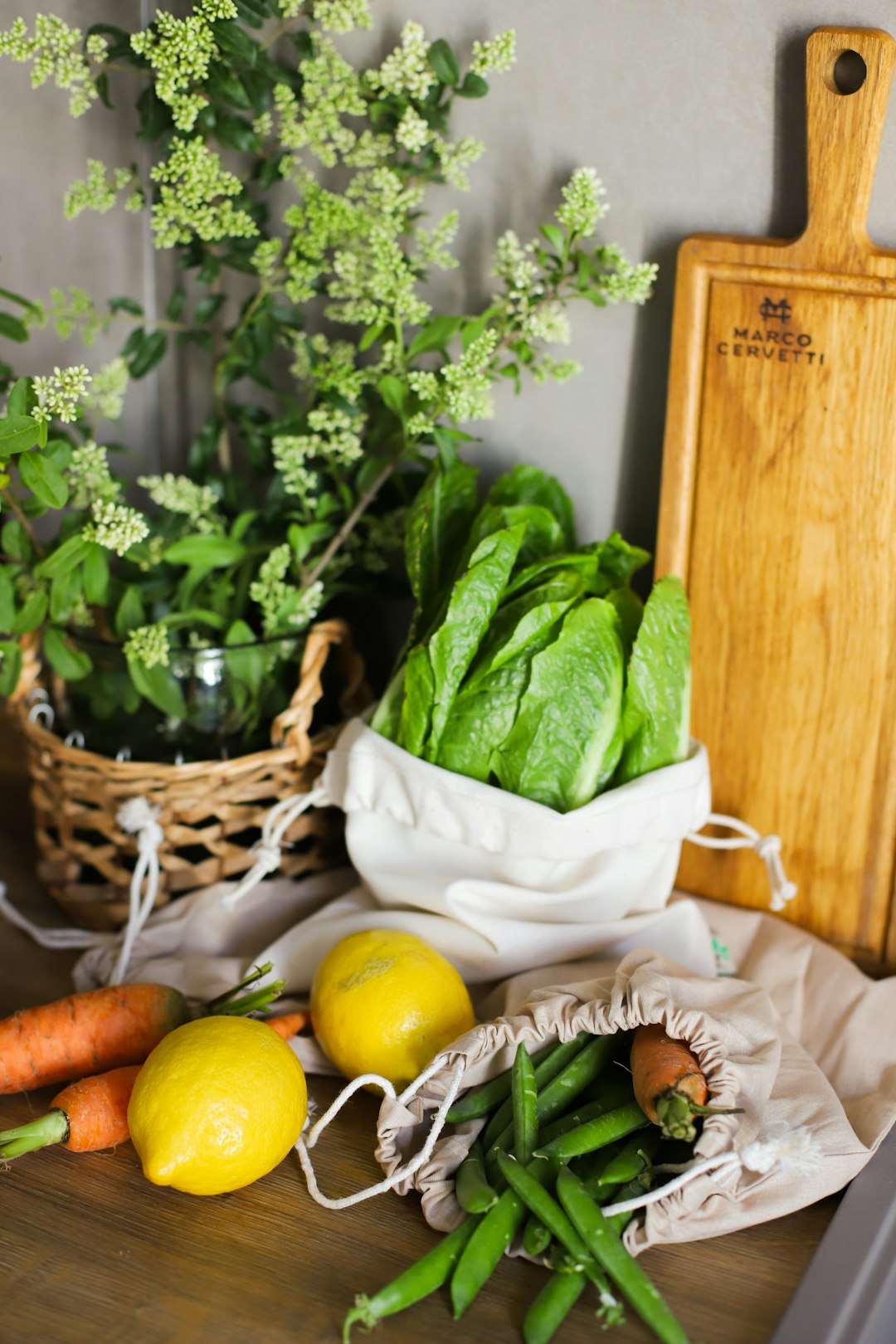
Imagine stepping into your kitchen and picking fresh, vibrant vegetables straight from your own indoor garden. Sounds appealing, right?
Starting an indoor veggie garden is not just a trend but a rewarding hobby that brings the farm-to-table experience right into your home. This guide is your go-to resource for everything you need to cultivate a thriving indoor garden. From selecting the right containers and soil to understanding lighting and watering needs, you’ll find straightforward, actionable advice that even beginners can follow.
Ready to transform your living space into a green oasis? Keep reading to discover how easy it is to grow your own veggies indoors and elevate your home-cooked meals with the freshest ingredients.
Choosing The Right Space
Starting an indoor veggie garden can be a rewarding experience, but choosing the right space is crucial for success. The area you select will directly impact your plants' growth and your overall gardening experience. Let's dive into how you can pick the perfect spot for your indoor veggie oasis.
Assessing Light Availability
Light is one of the most important factors for a thriving indoor garden. Vegetables need plenty of sunlight to grow well. Look for a space near windows that get ample sunlight throughout the day.
Try placing your garden near a south-facing window, as this often provides the best light. If natural light is limited, consider using grow lights to supplement.
Evaluating Temperature And Humidity
Plants are sensitive to temperature and humidity. Find a spot that maintains a stable temperature without sudden fluctuations.
Avoid areas near heaters or air conditioners, as these can cause inconsistent conditions. You can use a humidity tray or misting to keep the air moist if needed.
Space Efficiency
Maximize your available space by selecting compact and versatile gardening solutions. Consider vertical gardens or hanging planters to save room.
Think creatively about how you can use shelves or wall-mounted systems to expand your gardening area. Can you picture a lush vertical garden in your living room?
Accessibility And Convenience
Your indoor garden should be easy to access for watering and maintenance. Choose a space that's not only visible but also convenient for daily care.
Place your garden near your kitchen for easy harvesting of fresh veggies. Having your garden nearby can inspire you to tend to it more frequently.
Personal Experience: Finding My Perfect Spot
When I started my indoor veggie garden, I initially picked a corner in my living room. But I soon realized it lacked enough light.
After moving my garden to a sunny kitchen window, the plants thrived. It taught me the importance of the right space and how a small change can make a big difference.
Have you considered how the right space could transform your gardening experience? Finding that perfect spot might just be the key to your indoor veggie garden success!
Selecting Suitable Containers
Choosing the right containers is crucial for an indoor veggie garden. Ensure they have drainage holes to prevent waterlogging. Consider the size, as larger plants need bigger containers.
Selecting the right containers for your indoor veggie garden is crucial for success. The containers you choose will directly impact the health of your plants and the overall aesthetic of your space. Whether you're growing herbs on your kitchen windowsill or planning a larger setup in your living room, the right container can make all the difference.
Understanding Container Size
Container size matters more than you might think. Each plant type has specific space needs, and choosing a container that's too small can restrict root growth and stunt plant development. For small herbs like basil or mint, a 6-8 inch pot should suffice. For larger veggies like tomatoes or peppers, opt for containers that are at least 12-18 inches in diameter. The extra room allows roots to expand and access more nutrients, leading to healthier plants.
Material Matters
The material of your container plays a significant role in plant care. Plastic containers are lightweight and budget-friendly, ideal for those who frequently rearrange their plants. They retain moisture well, reducing the frequency of watering. Clay or terracotta pots offer a rustic charm and promote good air circulation through their porous nature. However, they may dry out quickly, so you’ll need to monitor moisture levels closely. Metal containers can add a modern touch but might heat up quickly in sunny spots, affecting soil temperature.
Drainage Is Key
Always prioritize containers with good drainage. Waterlogged soil can lead to root rot, a common plant killer. Look for pots with multiple drainage holes, or be prepared to drill some yourself. If you’re repurposing containers, such as old tins or buckets, ensure you add drainage holes to prevent water from pooling at the bottom. Placing a layer of stones or broken pot shards at the bottom can also aid drainage.
Creative Container Choices
Don’t be afraid to think outside the box when selecting containers. Items like old teapots, wooden crates, or even fabric grow bags can serve as unique plant homes. Just ensure they meet your plants' needs for size and drainage. Consider the aesthetics of your space. A mix of container styles and materials can create an appealing visual contrast, making your indoor garden not only productive but also a feast for the eyes.
Personal Experience And Tips
In my own indoor garden journey, I found that mismatched containers added character to my space. A chipped ceramic pot became the perfect home for my parsley, while an old colander turned into a quirky container for cherry tomatoes. This approach not only saved money but also sparked conversations with visitors. What creative containers can you find around your home? Sometimes, the perfect container is hidden in plain sight, waiting to house your next plant project.
Picking The Best Soil Mix
Selecting the right soil mix is crucial for starting an indoor veggie garden. Ensure the mix is rich in nutrients and drains well. This helps plants grow strong and healthy.
Creating a thriving indoor veggie garden starts with choosing the right soil mix. Imagine you're nurturing a mini ecosystem inside your home. The soil is the foundation of this world, supporting your plants as they grow. Picking the best soil mix isn't just about grabbing a bag from the store; it's about understanding what your plants need to flourish. You might have heard the saying, "Good soil makes good plants," and it's true. So, how do you ensure your indoor garden is set for success?
Understanding Soil Types
Different plants have different needs. Some prefer a sandy soil, while others thrive in a loamy mix. Think about what veggies you want to grow. If you're starting with herbs like basil or cilantro, a lighter mix might be ideal. On the other hand, root vegetables like carrots require a denser soil that supports their growth. Consider the unique needs of your chosen veggies.
Components Of A Good Soil Mix
A good soil mix often combines several components. Look for peat moss, which retains moisture well, or coconut coir, a sustainable alternative that also holds water. Add perlite or vermiculite to improve drainage. A balanced mix ensures your plants get the right amount of water and nutrients. You don't want your soil to be too compact, or your plants might struggle to breathe.
Personal Experience: Trial And Error
When I first tried indoor gardening, my plants didn't flourish. I realized my soil was too dense, holding too much water. The lesson? Don't be afraid to experiment. Adjust the mix as needed. If your plants seem unhappy, tweak the proportions. Gardening is as much about learning as it is about planting.
Testing And Adjusting
You can test your soil mix by checking its moisture retention and drainage. Try a simple squeeze test: Grab a handful of your soil mix and squeeze. If it holds together but crumbles easily, it's likely good for most veggies. Adjust by adding more perlite or peat moss based on the results. Wouldn't it be satisfying to know you crafted the perfect blend for your garden?
Buying Vs. Diy Soil Mix
You might wonder whether to buy a pre-made mix or create your own. Store-bought mixes are convenient but can be costly. Creating your own mix allows you to customize it for your plants' needs. Consider your budget and time. Are you ready to get your hands dirty, or would you prefer the convenience of a ready-made blend?
Maintaining Soil Health
A great soil mix is just the start. Regularly check the health of your soil. Over time, nutrients can deplete. Add organic matter like compost to replenish them. Your indoor garden depends on a healthy foundation. How will you ensure your plants continue to thrive? Choosing the right soil mix is an art and a science. By understanding your plants and experimenting with different components, you set the stage for a successful indoor veggie garden. So, what will you grow next?
Understanding Light Requirements
Starting an indoor veggie garden requires knowing how much light your plants need. Vegetables thrive with adequate sunlight or grow lights. Different plants have varying light requirements, so choose suitable lighting options for healthy growth.
Understanding the light requirements for your indoor veggie garden is crucial for healthy plant growth. Light is the energy source for photosynthesis, the process by which plants make their food. Whether you're using natural or artificial light, getting the right balance is key to ensuring your plants thrive indoors.
Natural Vs Artificial Light
Natural light is the most straightforward option for an indoor garden. Placing your plants near a window that receives ample sunlight can be beneficial. However, the amount of natural light available can vary based on your location, season, and even the time of day. Artificial light can be an excellent supplement or even a primary source if natural light is insufficient. Many indoor gardeners use a combination of both to optimize growth. Have you ever wondered why some plants flourish under specific conditions while others struggle? It often comes down to how well their light needs are met.
Types Of Grow Lights
Choosing the right grow lights can make a significant difference. Fluorescent lights are popular for their efficiency and cool temperature, making them ideal for leafy greens. They're also cost-effective, which is great if you're just starting out. LED grow lights are another excellent option. They are energy-efficient and can last for years, providing a spectrum of light that mimics natural sunlight. Plus, they generate less heat, reducing the risk of overheating your plants. Incandescent bulbs are generally not recommended for veggie gardens. They consume more power and emit heat that can damage plants. It's crucial to match the grow light to the specific needs of your plants. Have you tried different types of lighting to see which works best for you? Understanding these aspects of light can significantly impact the success of your indoor veggie garden. With the right knowledge and tools, you can create a thriving garden that provides fresh produce all year round.
Essential Tools And Equipment
Starting an indoor veggie garden requires pots, quality soil, and seeds. Adequate lighting and water sources are crucial. Tools like trowels and watering cans help maintain healthy plant growth.
Starting an indoor veggie garden is an exciting journey. Having the right tools makes it easier. Equip yourself with essentials for a thriving garden. They ensure your plants grow healthy and strong. Let's dive into the must-have tools and equipment.
Watering Tools
A watering can is vital. Choose one with a long spout. It helps reach plants without spilling. Consider a spray bottle for gentle misting. Misting keeps leaves moist and healthy. Drip trays are useful too. They catch excess water and prevent mess.
Pruning And Maintenance Tools
Pruning shears are a must-have. They help trim dead leaves. Regular pruning promotes growth. Scissors can also be handy. Use them for precise cuts. Gloves protect your hands. They're useful during maintenance tasks. Keep a small rake nearby. It helps with soil aeration and cleanup. These tools make indoor gardening manageable. With the right equipment, your veggies will flourish. Enjoy the process and watch your garden grow. `
Choosing The Right Vegetables
Starting an indoor veggie garden is a rewarding experience. Choosing the right vegetables is crucial for success. Some veggies thrive better indoors than others. Picking the right ones ensures a fruitful harvest. Let's explore which vegetables suit your indoor garden best.
Easy-to-grow Options
Begin with vegetables that are easy to grow indoors. Leafy greens like spinach and lettuce are great choices. They need little space and grow quickly. Radishes and green onions are also simple to manage. Herbs like basil and mint add flavor and are easy to care for.
Tomatoes and peppers can be grown indoors too. Choose dwarf varieties for compact spaces. These plants offer a fresh supply of produce. They also enhance your gardening skills. Start with these easy-to-grow options for a successful garden.
Climate Considerations
Indoor climate affects vegetable growth. Consider the temperature and humidity in your space. Most veggies prefer temperatures between 65-75°F. Ensure your space receives enough light. South-facing windows offer the best natural light. If not, use grow lights to supplement.
Humidity levels matter too. Many vegetables thrive in moderate humidity. Use a humidifier if your space is dry. Check your indoor conditions before planting. Choose vegetables that match your climate for optimal growth.
Managing Temperature And Humidity
Creating a thriving indoor veggie garden means mastering a few essential elements. Among these, managing temperature and humidity is key. These factors directly impact your plants' health and productivity. With the right conditions, your indoor garden can flourish, providing you with fresh produce year-round. Let's explore some practical ways to maintain the perfect environment for your leafy friends.
Understanding Ideal Temperature Ranges
Most indoor veggies thrive in temperatures between 65°F and 75°F. Going beyond this range can stress your plants. If it's too hot, they may wilt; too cold, and growth slows down. Keep a thermometer in your garden area to monitor the temperature regularly. Adjust your heating or cooling systems to maintain consistency. Small changes can make a big difference in plant growth.
Using Fans For Air Circulation
Stagnant air can lead to mold and other issues. Fans help circulate air, keeping your plants healthy. Place a small fan in your garden space to promote airflow. This simple addition can prevent diseases and strengthen plant stems. Remember, gentle breezes are best; you’re aiming for a light rustle of leaves, not a windstorm.
Monitoring Humidity Levels
Humidity is as crucial as temperature. Most veggies prefer humidity levels between 50% and 70%. Too much moisture can cause mold, while too little can dry out plants. Use a hygrometer to keep an eye on humidity levels. If it's too dry, consider using a humidifier. For excess humidity, a dehumidifier or better ventilation might be needed.
Maintaining Balance With Diy Solutions
You don't always need fancy gadgets. A shallow tray of water near your plants can increase humidity naturally. On the flip side, opening windows slightly can help reduce it. These simple tricks can balance your indoor garden environment. Experiment and observe how your plants respond to different conditions.
Personal Insights On Managing Conditions
When I started my indoor garden, I struggled with fluctuating temperatures. I once noticed my lettuce wilting and realized it was too close to a heater. Moving it to a cooler spot brought it back to life. Small adjustments can save your plants, so stay attentive and responsive. Have you experienced similar challenges? How did you tackle them?
Managing temperature and humidity in your indoor veggie garden is an ongoing process. Stay vigilant and make necessary adjustments. Your plants will reward you with bountiful harvests. Remember, every plant has its own needs, so pay attention to their signals. What will you grow in your perfectly balanced indoor garden?
Nutrient Needs And Fertilizers
Growing veggies indoors can be rewarding and fun. But your plants need the right nutrients. Fertilizers play a key role in plant health. Understanding what your indoor garden needs is crucial. Let's explore how to feed your indoor plants properly.
Understanding Plant Nutrients
Plants need nutrients to grow well. The three main nutrients are nitrogen, phosphorus, and potassium. Nitrogen helps plants grow leaves. Phosphorus is important for roots and flowers. Potassium keeps plants healthy. These nutrients must be balanced for good growth.
Types Of Fertilizers
There are different types of fertilizers. You can choose organic or synthetic. Organic fertilizers come from natural sources. They release nutrients slowly. Synthetic fertilizers are man-made. They provide nutrients quickly. Both types have their benefits.
How To Apply Fertilizers
Applying fertilizers correctly is important. Too much can harm your plants. Read the instructions on the package. Follow the recommended amounts. It's best to feed your plants every few weeks. Always water your plants after fertilizing.
Signs Of Nutrient Deficiency
Plants show signs if they lack nutrients. Yellow leaves can mean a nitrogen deficiency. Purple leaves might indicate a lack of phosphorus. Check your plants regularly. Adjust their nutrient intake as needed.
Pest And Disease Control
Starting an indoor veggie garden is a rewarding experience. Yet, it can present unique challenges. One major challenge is managing pests and diseases. These unwanted guests can harm your plants. They can cause damage and slow growth. Understanding pest and disease control is key to a healthy garden. With the right knowledge, you can protect your plants effectively.
Identify Common Indoor Pests
Common indoor pests include aphids, spider mites, and fungus gnats. Aphids are tiny, soft-bodied insects. They suck sap from plants, weakening them. Spider mites are even smaller. They cause yellow spots on leaves. Fungus gnats are small flies. They lay eggs in damp soil. Identifying these pests early helps in effective control.
Natural Pest Control Methods
Natural methods work well for controlling pests. Introduce beneficial insects like ladybugs. They eat aphids and mites. Use neem oil as a natural pesticide. It is safe for humans and pets. Sticky traps can catch flying pests. They are easy to use and effective.
Preventative Measures Against Disease
Prevention is better than cure. Ensure good air circulation around plants. Avoid overwatering to prevent root rot. Use clean pots and soil to avoid contamination. Remove any dead leaves or debris promptly. These steps reduce the risk of disease.
Recognizing Signs Of Plant Disease
Diseased plants show clear signs. Yellowing leaves, wilting, and spots are common symptoms. Fungal infections often appear as powdery patches. Bacterial infections can cause soft, mushy spots. Early recognition allows for quick action. This minimizes damage to your garden.
Creating A Healthy Growing Environment
A healthy environment deters pests and disease. Use quality soil and provide adequate light. Maintain the right temperature and humidity. Healthy plants resist pests better. Regular monitoring and care are essential. This ensures a thriving indoor garden.
Scheduling And Consistency
Starting an indoor veggie garden needs scheduling and consistency. Regular watering and consistent lighting ensure healthy growth. Stick to a routine for the best results.
Starting an indoor veggie garden requires more than just seeds and soil. Scheduling and Consistency play a pivotal role in ensuring your plants grow healthily and yield delicious produce. Just like how you wouldn't skip meals, your plants need regular care and attention. Without consistency, even the most resilient veggies can struggle. So, how do you create a schedule that fits into your busy life and keeps your garden thriving?
Understanding Your Plant's Needs
Different veggies have different needs. Some require daily watering, while others prefer a soak every few days. Research or note down the requirements of each plant you have. This will help you build a routine that meets their unique needs. If you're growing spinach or lettuce, they might need more frequent watering compared to succulents. Knowing these specifics can save you time and prevent plant stress.
Creating A Realistic Schedule
Map out your week and pinpoint times for your garden care. Early mornings or late afternoons are ideal for watering, as they prevent evaporation. Choose a time that you can consistently stick to. For instance, if you're a morning person, dedicate ten minutes to checking soil moisture and watering. This consistency ensures your plants get what they need without overwhelming your daily routine.
Using Technology To Stay On Track
Incorporate reminders into your phone or calendar. Simple alarms or apps can alert you when it's time to tend to your garden. This eliminates the guesswork and helps you maintain consistency. Imagine finishing your breakfast and hearing your phone remind you to check your plants. This small action can make a big difference in your garden’s health.
Adapting To Changes
Life is unpredictable, and sometimes schedules need tweaking. Be flexible but maintain the core routine. If an unexpected event arises, adjust your gardening time rather than skipping it. Have you ever rescheduled a meeting? Treat your gardening like an important appointment. Your plants rely on you to keep them thriving, just like colleagues rely on you for a project.
Tracking Progress
Keep a journal of your gardening activities. Note what works and what doesn’t. This not only helps you refine your schedule but also provides insights into your plant’s growth patterns. You might notice that your tomatoes flourish with evening watering. Use these observations to tweak your routine for optimal growth. Consistency is key in nurturing your indoor veggie garden. With a solid schedule, you can enjoy fresh produce right from your home. How will you fit gardening into your daily life and make it a rewarding habit?
Frequently Asked Questions
What Tools Do I Need For Indoor Gardening?
To start an indoor veggie garden, you'll need pots or containers, quality soil, seeds, and proper lighting. Consider using grow lights if natural sunlight is limited. A watering can and gardening gloves will also be helpful. Ensure adequate drainage in containers to prevent root rot.
How Do I Choose The Right Vegetables?
Choose vegetables that thrive indoors, such as lettuce, spinach, and herbs. Consider your climate and available space. Fast-growing vegetables like radishes are ideal. Select varieties suited for container gardening. Check seed packets for specific requirements. Opt for vegetables that match your taste and culinary preferences.
How Much Light Do Indoor Vegetables Need?
Indoor vegetables need sufficient light to grow properly. Most require at least 6-8 hours of light daily. If natural light is scarce, use grow lights to supplement. Position plants near south-facing windows for maximum sunlight. Adjust lighting based on plant needs and growth phase.
Can I Grow Veggies Indoors Year-round?
Yes, you can grow veggies indoors year-round with proper care. Ensure consistent light, temperature, and humidity levels. Use grow lights during winter for adequate lighting. Regularly monitor plant health and adjust conditions as needed. Choose hardy vegetables that adapt well to indoor environments.
Conclusion
Starting an indoor veggie garden is simple and rewarding. Gather essential tools and materials. Prepare your space with enough light. Select vegetables suitable for indoor growth. Don't forget regular watering. Keep an eye on pests and diseases. Enjoy fresh produce at home.
Gardening can be a peaceful hobby. Try different plants for variety. Share your harvest with family and friends. Engage in sustainable practices. Grow your own food indoors. Experience nature's joy. A small garden can make a big difference. Start today and watch your veggies thrive.