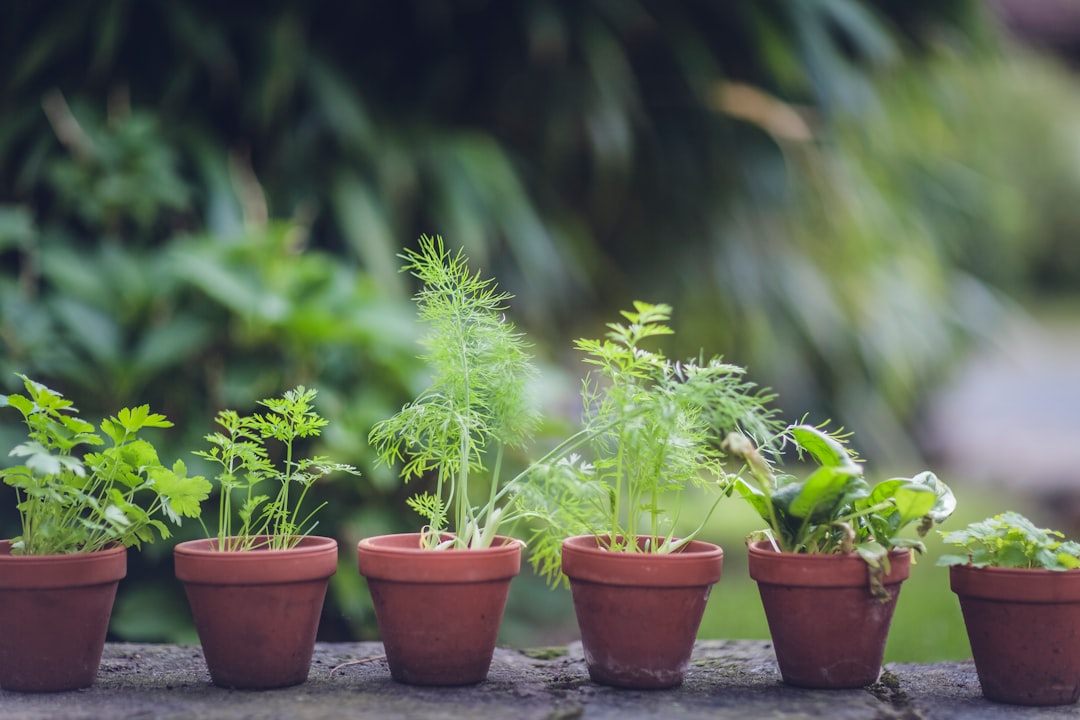
Imagine stepping into your kitchen and effortlessly plucking fresh herbs to add flavor to your meals. An indoor herb garden makes this possible, transforming your cooking and living space.
You might wonder what to plant in an indoor herb garden to make the most of your efforts. This decision is crucial to ensure a bountiful and aromatic harvest, even if you don’t have a green thumb. With a bit of guidance, you can choose the perfect herbs that not only thrive indoors but also suit your culinary preferences.
Ready to discover the best herbs to enhance your indoor garden and kitchen? Let's dive in and make your herb garden flourish.
Benefits Of Indoor Herb Gardening
Growing herbs like basil, mint, and parsley indoors offers fresh flavors year-round. They thrive in small spaces, enhancing your cooking with vibrant, natural ingredients. Enjoy the convenience and beauty they bring to your kitchen.
Bringing nature indoors through an herb garden offers numerous benefits that go beyond just having fresh ingredients at your fingertips. Growing herbs inside your home introduces a delightful aroma and a splash of greenery, creating a serene ambiance that can enhance your mood. More than just aesthetics, there are practical advantages to maintaining an indoor herb garden.
Grow Fresh Ingredients Year-round
With an indoor herb garden, you can have access to fresh herbs no matter the season. Whether it’s basil for your spaghetti or mint for your tea, having these plants at arm's length adds convenience to your cooking. Imagine the satisfaction of snipping fresh herbs right before adding them to your dish.
Enhance Your Culinary Skills
Having a variety of herbs readily available encourages you to experiment in the kitchen. You might find yourself trying new recipes or adding unique twists to old favorites. It's a fun way to learn and improve your cooking repertoire.
Improve Indoor Air Quality
Herbs like rosemary and thyme not only smell great but also help purify the air. They can reduce toxins and improve overall air quality in your home. Breathing in cleaner air can be beneficial for your health.
Save Money
Buying fresh herbs every week can add up quickly. Growing your own can save you money and reduce waste. Plus, with the right care, herbs like oregano and chives will keep giving back.
Boost Your Mood And Mental Health
Tending to plants can be therapeutic. The simple act of watering and caring for your herb garden can reduce stress. Watching your herbs grow from small shoots into lush plants provides a sense of accomplishment.
Educational Opportunity
An indoor herb garden can be a great learning tool for you and your family. Discover the growth process of each plant and their unique needs. It’s a hands-on way to learn about nature and sustainability.
Encourage Healthy Eating Habits
When you have fresh herbs at home, you’re more likely to incorporate them into your meals. This can lead to healthier eating habits. Herbs add flavor without the need for extra salt or fat. Think about how these benefits resonate with you. What excites you most about starting your own indoor herb garden?
Choosing The Right Herbs
Selecting the right herbs for an indoor garden can enhance your cooking and health. Consider planting basil, mint, and parsley for their versatility and ease of growth. These herbs thrive indoors and provide fresh flavors to your dishes.
Choosing the right herbs for your indoor garden can make all the difference in your culinary adventures and home ambiance. It's not just about what you like to eat; it's also about what grows well indoors and thrives in your specific environment. Whether you're a seasoned gardener or just starting out, selecting the right herbs can be a rewarding process that adds flavor to your dishes and beauty to your space.
Understanding Your Space
Before picking herbs, consider the space where they'll live. Do you have a sunny windowsill or only artificial light? Herbs like basil and rosemary love sunlight, while mint and parsley are more forgiving of shade. Measure the light in your home at different times of the day to ensure your chosen herbs will thrive.
Consider Your Cooking Needs
Think about the dishes you love to cook. If Italian cuisine is a favorite, basil and oregano might top your list. For Asian dishes, cilantro and Thai basil could be your go-to choices. Reflect on the meals you prepare most often and the herbs that enhance those flavors.
Ease Of Growth
Not all herbs are created equal in terms of care. Some, like mint and chives, are hardy and forgiving, making them perfect for beginners. Others, like cilantro, can be a bit tricky and may require more attention. Start with easy-to-grow herbs if you're new to gardening.
Experimentation And Personal Preference
Don't be afraid to try something new. You might discover a love for tarragon or lemon balm that you never expected. An experiment with a less common herb might lead to a new favorite dish or a unique addition to your tea. Always be open to adding a touch of adventure to your garden.
Herb Compatibility
Some herbs grow better together. For instance, basil and parsley can share a pot, benefiting from similar watering needs. Check compatibility to avoid overcrowding and ensure each herb has enough room to flourish. This can lead to a more vibrant and successful garden. Choosing the right herbs for your indoor garden involves a bit of planning but offers a wealth of rewards. What will you plant to start your herb-growing journey?
Basil: A Culinary Favorite
Basil is a beloved herb for any indoor garden. Its aromatic leaves add flavor to many dishes. Growing basil indoors lets you have fresh leaves year-round. This herb thrives in pots and is easy to care for. Let's explore how to make the most of your indoor basil.
Varieties To Consider
There are many types of basil to grow indoors. Sweet basil is the most common. It has a mild, sweet flavor. Thai basil offers a spicy, licorice-like taste. Lemon basil has a citrusy aroma perfect for teas. Each variety brings unique flavors to your cooking. Choose the one that suits your taste best.
Care Tips
Basil needs plenty of sunlight to grow well. Place the pot on a sunny windowsill. Ensure it gets at least six hours of light daily. Water basil regularly but avoid overwatering. The soil should be moist, not soggy. Pinch off the top leaves to promote bushy growth. This also prevents the plant from flowering too soon. Regular trimming encourages more leaf production. Feed basil with a liquid fertilizer once a month. This keeps your plant healthy and productive.
Mint: Refreshing And Versatile
Mint adds a refreshing touch to your indoor herb garden. Its versatile nature enhances both dishes and drinks. Easy to grow, mint thrives indoors with minimal care.
Mint: Refreshing and Versatile Imagine reaching for a sprig of mint from your indoor herb garden. It’s fresh, aromatic, and a perfect addition to your tea or salad. Mint is more than just a garnish; it's a versatile herb that can elevate everyday meals and beverages. Whether you're new to gardening or a seasoned pro, mint offers a simple yet rewarding growing experience.
Popular Types
Mint comes in various types, each with unique flavors. Peppermint is a common choice for its strong, cooling sensation. It’s ideal for teas and desserts. Spearmint, on the other hand, is milder and often used in savory dishes or cocktails like mojitos. If you want something different, try chocolate mint, which has a hint of chocolate flavor—perfect for garnishing desserts. Have you explored the world of mint? Each variety offers a distinct taste to experiment with.
Growth Requirements
Mint is a hardy herb that thrives indoors with the right care. It loves indirect sunlight, so place it near a window that gets good light but not direct sun. Keep the soil moist but not soggy; overwatering can harm your plant. Use a pot with drainage holes to prevent water from accumulating. Mint spreads quickly, so consider using a larger pot or regularly trimming it to keep it manageable. Have you ever thought about the space your mint might need? A little planning goes a long way in maintaining a healthy plant. Growing mint indoors can be a fun and rewarding project. You’ll have fresh herbs at your fingertips, ready to add a burst of flavor to your meals. Plus, the pleasant aroma can enhance your living space. Why not start your indoor herb garden with mint today?
Thyme: A Fragrant Essential
Imagine plucking fresh thyme leaves from your indoor garden and sprinkling them over your favorite dish. This aromatic herb not only elevates your culinary creations but also adds a touch of nature to your living space. Thyme is a must-have in any indoor herb garden, offering both flavor and a delightful fragrance.
Best Varieties For Indoors
When selecting thyme for your indoor garden, consider varieties that thrive in pots. English thymeis a popular choice, known for its strong aroma and versatility in cooking.
Lemon thymeis another excellent option, with a subtle citrus flavor that pairs well with fish and chicken. Its vibrant leaves add a pop of color to your indoor space.
Try creeping thymeif you're looking for a unique addition. It grows low and spreads out, making it perfect for cascading over the sides of a pot or window box.
Maintenance Guidelines
Thyme is relatively low-maintenance, making it ideal for beginner gardeners. Ensure your thyme receives plenty of sunlight. A sunny windowsill is perfect for this sun-loving herb.
Water your thyme sparingly. Too much moisture can lead to root rot. Allow the soil to dry out between waterings to keep your thyme healthy.
Prune regularly to encourage bushy growth. This not only keeps your thyme looking tidy but also ensures a constant supply of fresh leaves.
Have you ever thought about the joy of nurturing a plant and watching it thrive? Growing thyme indoors is a rewarding experience that connects you to nature, right from your kitchen.
So, what are you waiting for? Start your indoor herb garden with thyme and enjoy the benefits of this fragrant essential.
Parsley: More Than Garnish
Parsley is a versatile herb that deserves more attention. Many people see it as just a garnish. But it's much more than that. Parsley adds flavor to dishes and has health benefits. It can thrive indoors, making it perfect for your herb garden. Let's explore its types and care needs.
Flat-leaf Vs Curly
Parsley comes in two main varieties: flat-leaf and curly. Flat-leaf parsley has a robust flavor. It's often used in cooking. Curly parsley is milder and more decorative. Both types are easy to grow indoors. Choose the one that suits your taste and garden style.
Watering Needs
Parsley needs consistent moisture to thrive. Water it regularly but avoid overwatering. The soil should be damp, not soggy. Ensure your pot has good drainage. This prevents root rot and keeps the plant healthy. Check the soil with your finger. Dry soil means it's time to water.
Rosemary: Aromatic And Hardy
Rosemary stands out for its aromatic scent and robust nature, making it ideal for indoor herb gardens. Thriving with minimal care, this herb adds flavor to dishes and freshens the air. Perfect choice for beginners seeking a hardy plant.
Growing an indoor herb garden is a delightful way to bring nature indoors. Among the must-have herbs, rosemary stands out for its aromatic and hardy nature. Its robust scent can fill your kitchen with warmth, and it's a resilient plant that can thrive indoors with the right care. Imagine the joy of snipping fresh rosemary from your windowsill to enhance your culinary creations. Let's dive into how to give your rosemary the best care possible.
Light Preferences
Rosemary loves sunlight. It thrives best when placed in a location that receives six to eight hours of bright sunlight each day. If your home doesn't have a spot with that much natural light, consider using a grow light. A friend once shared how their rosemary thrived even in a north-facing apartment, thanks to a strategically placed LED grow light. Reflect on your home's lighting. Are there windowsills or sunrooms that catch the morning or afternoon sun? Placing your rosemary there can make a significant difference. Remember, a happy rosemary plant is a well-lit one.
Pruning Practices
Pruning rosemary is essential for its growth and shape. Regularly trim the tips to promote bushier growth. This practice not only keeps the plant healthy but also provides you with fresh sprigs to use in your cooking. I discovered the benefits of pruning when my rosemary plant began looking leggy and sparse. With some careful trimming, it soon returned to its lush self. Aim to prune about a third of the plant at a time, focusing on the top growth to encourage a fuller shape. Have you noticed your rosemary looking a bit unruly? It might be time to give it a little haircut. This simple act can transform your plant from scraggly to stunning, making it a proud centerpiece of your indoor garden. By understanding your rosemary's light preferences and mastering the art of pruning, you'll cultivate a thriving, aromatic herb that not only enhances your indoor space but also your cooking adventures. Are you ready to make your indoor herb garden a fragrant success?
Cilantro: Fresh Flavor Boost
Cilantro is a vibrant and aromatic herb that can transform your indoor herb garden into a culinary powerhouse. Known for its fresh, citrusy flavor, cilantro is a staple in many cuisines worldwide. Imagine snipping fresh cilantro leaves right in your kitchen to add a zesty punch to your dishes. But before you dive into growing this flavorful herb, there are a few things to consider to ensure a bountiful harvest.
Temperature Considerations
Cilantro thrives in cooler temperatures, making it perfect for an indoor garden setting. Ideally, maintain a temperature range between 50°F to 70°F. Too much heat can cause cilantro to bolt, or flower, which affects the flavor of the leaves. Try placing your cilantro pots in a cool spot, away from direct sunlight, to keep them happy and healthy. Have you ever noticed how cilantro leaves wilt on a scorching day? Keeping the temperature in check helps avoid that.
Harvesting Tips
When it comes to harvesting cilantro, timing is key. Start picking the outer leaves when the plant reaches about 6 inches in height. Regular harvesting encourages new growth, giving you a steady supply of fresh cilantro. Use sharp scissors to snip the leaves, ensuring you don't damage the plant. Have you ever tasted the difference between store-bought and freshly picked cilantro? The fresh leaves from your garden have a unique, intense flavor that can elevate your meals.
Planting cilantro in your indoor herb garden not only enhances your culinary adventures but also offers a rewarding gardening experience. Consider the temperature and harvesting tips to make the most of this fresh flavor boost. What will you cook with your homegrown cilantro today?
Sage: Robust And Earthy
Sage offers a robust and earthy flavor, making it a perfect choice for an indoor herb garden. Its aromatic leaves thrive in sunlight and require minimal care, creating a fragrant addition to any kitchen. Ideal for culinary adventures, sage complements a variety of dishes with its distinctive taste.
Sage, with its robust and earthy flavor, is a favorite in many kitchens. This herb brings a unique depth to dishes, from roasted meats to savory sauces. Its silver-green leaves are not just a culinary delight but also add a touch of beauty to your indoor herb garden. Cultivating sage indoors ensures you always have fresh leaves on hand for your culinary creations. Growing sage indoors requires choosing the right container and understanding potential pests. Let’s explore these aspects to ensure your sage thrives.
Container Choices
Select a container with good drainage. Sage dislikes soggy roots. A clay pot is ideal as it allows the soil to dry between waterings. Choose a pot size that accommodates the growing roots. A pot that's about 8-12 inches in diameter works well. Ensure the container has drainage holes at the bottom.
Common Pests
Watch for common pests like aphids and spider mites. These pests can harm your sage plant. Check leaves regularly for signs of infestation. Use insecticidal soap to treat affected plants. Keeping your plant healthy reduces pest problems. Good air circulation and proper watering help prevent pests.
Chives: Easy To Grow
Chives thrive indoors, making them perfect for an herb garden. They need minimal care and grow quickly. Their mild onion flavor enhances dishes, and their vibrant green adds a touch of color.
Chives are a great choice for an indoor herb garden. They're easy to grow and add flavor to many dishes. Chives need minimal care and thrive indoors. Their mild onion taste enhances soups and salads.
Sunlight Needs
Chives need bright light for healthy growth. Place them near a sunny window. They prefer direct sunlight for several hours a day. A south-facing window works best. If natural light is limited, use a grow light. This ensures chives get enough light to thrive.
Companion Planting
Chives are friendly plants. They grow well with other herbs. Basil and parsley make good companions. They share similar light and water needs. Chives also deter some pests. This benefits other plants nearby. An indoor herb garden thrives with chives as companions.
Oregano: Mediterranean Must-have
Oregano thrives in indoor herb gardens, adding Mediterranean flavor to dishes. Its aromatic leaves enhance salads, sauces, and meats. Easy to grow, oregano needs sunlight and well-drained soil for optimal growth.
Growing your own herbs can be a delightful experience, and when it comes to an indoor herb garden, oregano is a Mediterranean must-have. Its robust flavor can elevate your culinary creations, transforming ordinary dishes into gourmet delights. Whether you're a seasoned gardener or a beginner, adding oregano to your indoor garden is a decision you won't regret.
Soil Conditions
Oregano thrives in well-draining soil, which is crucial for its health and growth. Consider using a mix of potting soil and sand or perlite to ensure proper drainage. A pot with drainage holes is essential to prevent water from sitting at the bottom and causing root rot. Test your soil's pH level. Oregano prefers slightly alkaline conditions, around 6.5 to 7.0. If the soil is too acidic, adding a bit of lime can adjust the pH. Regularly check soil moisture; oregano prefers to dry out a bit between waterings.
Propagation Methods
Propagating oregano can be done through seeds or cuttings. Starting from seeds might require patience, as germination can take time. Sow them in shallow pots, lightly covering with soil, and keep them warm and moist. Cuttings are a quicker method. Snip a healthy stem, remove the lower leaves, and place it in water until roots develop. Once the roots are established, transplant the cutting into your prepared potting mix. Have you tried propagating herbs before? It's a gratifying process, especially when you see new growth. Experiment with both methods to see what works best in your environment. Remember, oregano can be a bit of a sun lover. Place your pots where they can soak up plenty of sunlight. A south-facing window is ideal. If you're in a dimly lit area, consider using grow lights to supplement natural light. What are your thoughts on growing oregano indoors? Have you found other unexpected herbs that complement your cooking? Share your experiences and tips below!
Lavender: Beyond Cooking
Lavender offers more than just culinary uses. It's an ideal choice for an indoor herb garden. Its calming scent and lovely purple blooms enhance any indoor space beautifully.
Lavender: Beyond Cooking Lavender is more than just a culinary herb. While its delicate flavor can enhance dishes, its versatility extends far beyond the kitchen. Adding lavender to your indoor herb garden can transform your space in unexpected ways.
Aesthetic Benefits
Lavender brings a touch of elegance to your indoor garden. Its purple blooms add a pop of color that brightens any room. The plant’s soft, silver-green foliage complements various interior styles, from rustic to modern. Lavender’s calming scent is another reason to grow it indoors. The fragrance can create a soothing atmosphere in your home. Imagine coming home after a long day and being greeted by the relaxing aroma of lavender. Its compact size makes it perfect for small spaces. Whether you have a sunny windowsill or a cozy corner, lavender can fit in seamlessly. You can enjoy its beauty without needing a large garden area.
Drying Techniques
Drying lavender is a simple way to preserve its fragrance. You can hang small bunches upside down in a warm, dry place. It’s a satisfying process to watch as the flowers dry and the scent intensifies. Using dried lavender around your home can be delightful. Fill small sachets and place them in drawers or closets. This keeps your clothes smelling fresh and adds a touch of luxury to your daily life. Consider making lavender-infused products. You can create sachets or even lavender oil for massages. Each time you use these, you’ll be reminded of the effort you put into growing your indoor herb garden. Have you considered how lavender could enhance your living space? Whether it's through its beauty or scent, lavender offers benefits that go beyond cooking. Why not try adding it to your indoor herb garden today?
Frequently Asked Questions
What Herbs Grow Best Indoors?
Certain herbs thrive indoors due to their adaptability and low maintenance needs. Basil, mint, parsley, chives, and thyme are popular choices. These herbs require minimal sunlight and can flourish in indoor environments. Regular watering and occasional pruning will keep them healthy.
How Much Sunlight Do Indoor Herbs Need?
Indoor herbs generally need 6-8 hours of sunlight daily. Place them near a bright window for best results. If natural light is limited, consider using grow lights. Proper lighting ensures healthy growth and vibrant flavors in your herb garden.
Can I Grow Herbs Without Soil?
Yes, you can grow herbs hydroponically or in water-based systems. Hydroponic systems provide nutrients directly to the plant roots. This method is efficient and clean, offering faster growth. Regularly change the water to prevent bacterial growth and ensure healthy herbs.
How Do I Prevent Pests In My Herb Garden?
Prevent pests by maintaining cleanliness and regular inspection. Use organic pest control methods like neem oil or insecticidal soap. Ensure good air circulation and avoid overwatering. Removing affected leaves promptly can stop pest spread. Healthy plants are less vulnerable to infestations.
Conclusion
Creating an indoor herb garden is simple and rewarding. Choose herbs that suit your space and taste. Basil, mint, and thyme work well indoors. Ensure they get enough light and water. Use pots that drain well. Regularly trim and harvest your herbs.
This helps them grow better. Experiment with different combinations. Find what flavors you enjoy most. Indoor gardening brings nature inside. It adds fresh ingredients to your cooking. Plus, it's a fun hobby. Start small, and watch your garden thrive. Soon, you'll have a delightful herb collection.
Perfect for spicing up everyday meals.