Imagine stepping into your garden and being greeted by a burst of colors and sweet fragrances. Planting flower seeds is your first step toward creating this vibrant paradise.
Whether you’re a seasoned gardener or a complete novice, learning how to plant flower seeds can open up a world of beauty right outside your door. You might be wondering where to start, what seeds to choose, or how to ensure they grow into flourishing plants.
This article will guide you through each step, making the process simple and enjoyable. You'll discover the secrets to successful seed planting, and by the end, you'll be ready to transform your garden into a breathtaking floral haven. So, are you ready to dig in and let your garden blossom? Dive into the details, and soon you’ll have the garden of your dreams.
Choosing The Right Seeds
Choosing the right seeds is crucial for a thriving garden. The type of flowers you plant can impact the garden's beauty and longevity. Understanding different seed options helps in creating a stunning floral display. Consider factors like growth patterns, climate, and soil when selecting seeds.
Annuals Vs. Perennials
Annuals bloom for one season and then die. They bring vibrant colors to your garden. Perennials return year after year, offering lasting beauty. Choose annuals for a burst of color. Select perennials for a sustainable garden. Mix both for variety and continuous blooms.
Climate Considerations
Climate plays a key role in seed selection. Some seeds thrive in warm conditions. Others prefer cooler climates. Know your region's climate before planting. Research which seeds suit your area. This ensures healthy growth and vibrant flowers.
Soil Preferences
Different seeds have unique soil needs. Some require sandy soil. Others thrive in clay or loam. Test your garden soil to know its type. Choose seeds that match your soil conditions. This promotes strong root growth and healthy plants.
Preparing Your Garden Space
Creating a beautiful flower garden starts with preparation. A well-prepared garden space ensures healthy growth and vibrant blooms. Follow these steps to get your garden ready.
Clearing The Area
First, remove any weeds and debris. Weeds compete with flowers for nutrients and sunlight. Use a garden hoe or hand pull them out. Clear any rocks or old plants from the soil. This gives your seeds a fresh start.
Enhancing Soil Quality
Good soil is crucial for healthy flowers. Check your soil type. Is it sandy, clay, or loamy? Add organic matter like compost or peat moss. This improves soil texture and fertility. Ensure the soil drains well to prevent waterlogging.
Creating Planting Layouts
Plan your garden layout before planting. Consider the flower types and their growth needs. Place taller plants at the back. Shorter ones should be in the front. This arrangement ensures sunlight reaches all plants. Use markers to outline planting spots. This helps maintain even spacing and organized rows.
Planting Techniques
Planting flower seeds requires careful preparation of the soil for healthy growth. Choose a sunny spot and ensure the soil is well-drained and loose. Scatter the seeds evenly, cover lightly with soil, and water gently to kickstart germination. Regular watering and protection from pests help achieve a blooming garden.
Planting flower seeds in your garden can be an exciting adventure. The right techniques can transform your space into a vibrant oasis. Whether you're a gardening novice or a seasoned pro, understanding the basics of sowing depth, spacing, watering, and mulch protection is crucial. These strategies not only ensure healthy growth but also make gardening enjoyable. Let's dive into some practical planting techniques that will help your flowers thrive.
Sowing Depth And Spacing
Proper sowing depth and spacing are key to successful seed planting. The depth at which you plant your seeds can determine their chances of sprouting. A general rule is to plant seeds at a depth twice their size. This ensures they are not too shallow or too deep. Spacing is equally important. Crowding seeds can lead to competition for nutrients. Give your seeds enough room to grow by spacing them according to the instructions on the seed packet. This ensures each plant has access to sufficient light and nutrients.
Watering Guidelines
Watering your seeds correctly is critical for germination. Start by gently watering the soil after planting. This provides moisture without disturbing the seeds. Keep the soil consistently damp but not waterlogged. Consider your climate and adjust your watering schedule accordingly. In warmer areas, you might need to water more frequently. Always check the soil moisture level before watering. The finger test is simple: Insert your finger into the soil up to the first knuckle. If it feels dry, it's time to water.
Using Mulch For Protection
Mulch serves as a protective layer for your seeds. It helps retain soil moisture, suppress weeds, and regulate temperature. Organic mulch like straw or wood chips can be ideal for flower gardens. Spread a thin layer of mulch around your planted seeds. This shields them from harsh weather and keeps them cozy. Have you ever noticed how some gardens thrive despite unexpected frost? Mulch can be the unsung hero in those scenarios. It's like giving your seeds a warm blanket to snuggle under as they grow. These planting techniques are simple yet effective. Which ones will you try in your garden?
Caring For Seedlings
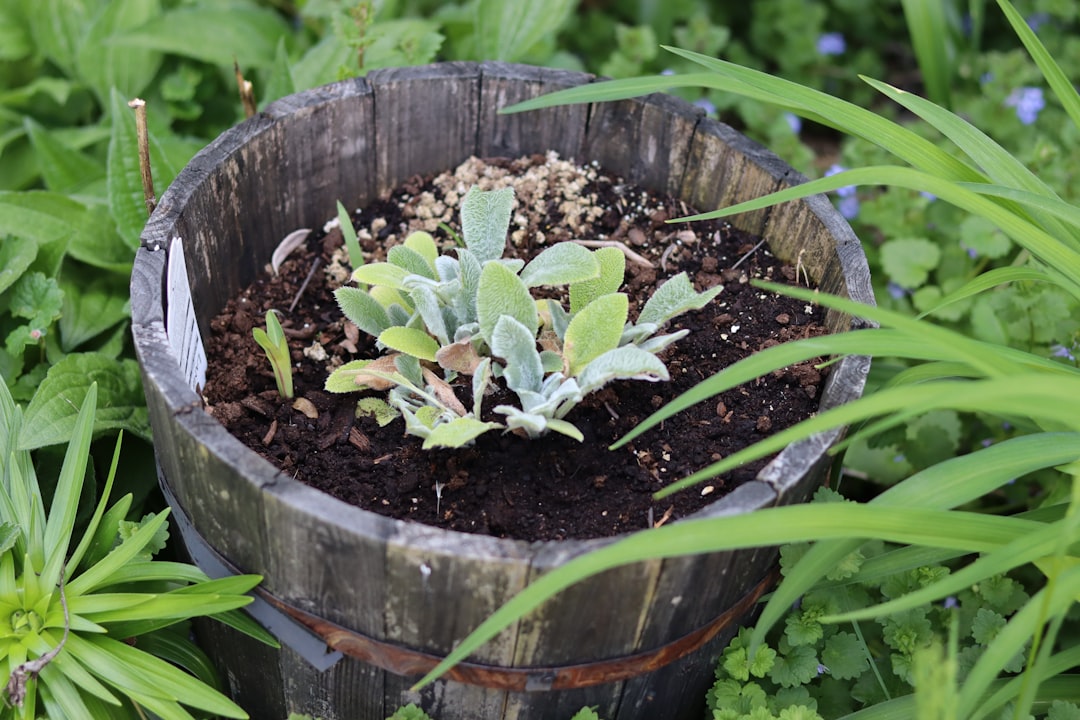
Planting flower seeds in a garden requires gentle care for seedlings. Prepare soil by removing weeds and debris. Plant seeds at the correct depth, ensuring they receive sunlight and water regularly for healthy growth.
Planting flower seeds is just the beginning of your gardening journey. Caring for seedlings is crucial to ensure your garden blooms beautifully. It's the stage where you nurture fragile sprouts into strong plants. Knowing the right techniques can make all the difference. Let's dive into the essentials of monitoring growth, managing pests and diseases, and fertilizing tips to give your seedlings the best start.
Monitoring Growth
Keep a close eye on your seedlings. Regular checks help you notice if they're growing strong or need extra care. Look for signs of healthy growth, like vibrant green leaves and sturdy stems. Consider creating a growth chart. Mark milestones like the first leaf or when they double in size. It’s a fun way to track progress and spot any issues early. Water is crucial, but it’s easy to overdo it. Check the soil moisture with your finger. If it’s dry an inch deep, it’s time to water. Too much water can drown seedlings, so be cautious.
Managing Pests And Diseases
Pests can be a big threat to seedlings. They can destroy your hard work overnight. Watch for holes in leaves or sticky residue—signs of unwanted visitors. A simple solution is using a natural insect spray. Mix water with a few drops of dish soap. Spray it lightly on leaves to deter pests without harming your plants. Disease can spread quickly if not managed. Ensure your seedlings have good air circulation. It reduces the chance of fungal infections and keeps plants healthy.
Fertilizing Tips
Seedlings need nutrients to grow strong. Choose a gentle, balanced fertilizer. Too much can burn them, so start with a half-strength solution. Apply fertilizer when the seedlings have their first true leaves. These are the leaves that look like those of the mature plant. They indicate the seedling is ready for extra nutrition. Timing is key. Fertilize in the morning when the temperature is cooler. It allows seedlings to absorb nutrients effectively throughout the day. Have you ever felt the joy of seeing your seedlings thrive? It’s rewarding and a testament to your care and attention. These tips will help you nurture your seedlings into vibrant, flowering plants. Enjoy the process, and soon, your garden will be a beautiful display of your efforts.
Seasonal Considerations
Planting flower seeds requires attention to the seasons. Spring is ideal for most flowers, promoting growth. Cooler months suit hardy seeds, ensuring they thrive in changing temperatures.
Planting flower seeds in your garden requires careful consideration of the seasons. Different times of the year offer unique conditions that can either nurture or hinder your budding blooms. Understanding these seasonal factors is crucial for ensuring a vibrant garden. Let’s dive into the specifics of spring and fall planting to help you make the most of your gardening efforts.
Spring Planting Tips
Spring is often seen as the traditional time to plant flower seeds. The warming soil and increasing daylight create an ideal environment for seeds to germinate. But how do you ensure success? First, check the last frost date in your area. You want to plant after this date to avoid the risk of frost damage. Consider starting seeds indoors if you're eager to get a head start. Choose a sunny spot in your garden. Most flowers thrive with ample sunlight. Make sure the soil is well-drained and rich in organic matter. If it’s not, amend it with compost to improve its quality. Water is essential. But avoid overwatering. Keep the soil consistently moist, especially during the germination period.
Fall Planting Insights
Fall planting can be just as rewarding, offering a head start for spring blooms. Cooler temperatures and autumn rains create favorable conditions for certain seeds. Choose seeds that are hardy and can withstand winter's chill. Think of flowers like poppies or larkspur. These seeds can benefit from the natural cold stratification process. Plant seeds a few weeks before the first expected frost. This timing allows roots to establish before the ground freezes. Consider mulching. A layer of mulch helps regulate soil temperature and moisture levels. It also offers protection during unexpected cold snaps. Have you considered the timing of your planting before? Reflect on these seasonal insights to enhance your gardening strategy. By aligning your planting with nature's rhythms, you set the stage for a flourishing garden.
Common Mistakes To Avoid
Planting flower seeds can be exciting and rewarding. Yet, many gardeners make simple errors. These mistakes can hinder plant growth. Understanding and avoiding them is crucial for success.
Overwatering Issues
Too much water can harm your seeds. It may cause root rot. Watering should be consistent but not excessive. Check soil moisture regularly. Water only when the soil feels dry. Avoid wetting the leaves too much.
Ignoring Soil Quality
Healthy plants need good soil. Poor soil can stunt growth. Test your soil before planting. Ensure it's rich in nutrients. Add compost to improve soil structure. This helps retain moisture and nourish your seeds.
Neglecting Sunlight Needs
Sunlight is vital for photosynthesis. Flowers need adequate light to thrive. Plant in areas where they get enough sun. Avoid shady spots. Check the sunlight needs of each flower type. Adjust planting location accordingly.
Tools And Materials
Gather essential tools like a hand trowel, watering can, and gardening gloves. Use quality potting soil and flower seeds to ensure healthy growth. Choose a sunny spot in the garden to plant seeds efficiently.
Planting flower seeds in a garden requires specific tools and materials. These items make the planting process smooth and successful. Having the right tools ensures your garden flourishes beautifully. Let's explore the essential items you need.
Essential Gardening Tools
Essential gardening tools are a must-have for any gardener. A sturdy trowel helps dig small holes for seeds. Pruning shears keep your plants neat and healthy. A garden fork loosens soil, aiding in root growth. Watering cans or hoses ensure plants get enough moisture. A rake clears away debris, making space for new growth. Gloves protect your hands while working in the soil.
Seed Starting Kits
Seed starting kits simplify the planting process. These kits include trays and soil to nurture seeds indoors. They are perfect for beginners and experienced gardeners alike. Kits often come with labels to track different flower types. Using a seed starting kit gives your seeds a strong start. Placing these trays in a sunny spot helps them thrive. Once seedlings are strong, transplant them to your garden.
Protective Gear
Protective gear keeps you safe and comfortable while gardening. A wide-brimmed hat shields your face from the sun. Sunglasses protect your eyes from glare. Long-sleeved shirts prevent sunburn and scratches. Sturdy boots offer foot protection on uneven ground. Wearing sunscreen is crucial for skin safety. Consider using knee pads to ease strain when planting.
Expert Advice And Resources
Planting flower seeds in a garden brings beauty and joy. Knowing where to find reliable advice helps you succeed. Expert resources can guide you through each step. This section explores valuable books, online communities, and interactive workshops. These resources offer insights to nurture your gardening skills.
Books And Guides
Books on gardening cover everything from soil preparation to plant care. They provide detailed advice and tips. Look for guides with illustrations and step-by-step instructions. Some books focus on specific flower types. Others offer general information on a variety of flowers. Libraries and bookstores have many titles to explore.
Online Communities
Joining online gardening forums connects you with experienced gardeners. These communities share their knowledge and answer questions. You can learn about common mistakes and how to avoid them. Social media groups also offer valuable insights. Members post pictures and discuss their gardening experiences.
Workshops And Classes
Attending gardening workshops provides hands-on learning. These classes are often led by experts. You can practice planting seeds and ask questions. Local gardening clubs or community centers may offer such classes. They are great for gaining practical skills and meeting fellow gardeners.
Frequently Asked Questions
What Is The Best Time To Plant Flower Seeds?
The ideal time to plant flower seeds depends on the specific flower type. Generally, spring is best for most flowers. This allows seeds to germinate in warm soil with ample sunlight. Always check the seed packet for specific planting recommendations for your chosen flower variety.
How Deep Should Flower Seeds Be Planted?
Flower seeds should typically be planted at a depth of two to three times their size. This ensures proper growth and germination. Larger seeds require deeper planting than smaller ones. Always refer to the seed packet for specific depth instructions to ensure optimal growth and flowering.
How Often Should I Water Newly Planted Seeds?
Newly planted flower seeds need consistent moisture to germinate. Water them lightly every day until they sprout. Be careful not to overwater, as this can cause rot. Once they sprout, reduce watering frequency but ensure the soil remains moist.
Can Flower Seeds Be Planted Directly In The Garden?
Yes, many flower seeds can be planted directly in the garden. Ensure the soil is well-prepared and free of weeds. Direct sowing is convenient and effective for hardy annuals and perennials. Always check the seed packet for specific planting instructions to ensure successful growth.
Conclusion
Planting flower seeds is easy and rewarding. Follow these simple steps for success. Choose the right seeds for your garden. Prepare the soil well; it matters. Sow the seeds carefully. Water the seeds gently but regularly. Watch them grow with patience.
Protect the plants from pests. Enjoy beautiful blooms in your garden. Remember, every garden is unique. Discover what works best for yours. Keep experimenting and learning. Gardening brings joy and beauty to life. Share your garden stories with friends. Celebrate the colorful journey of growth.
Happy gardening!