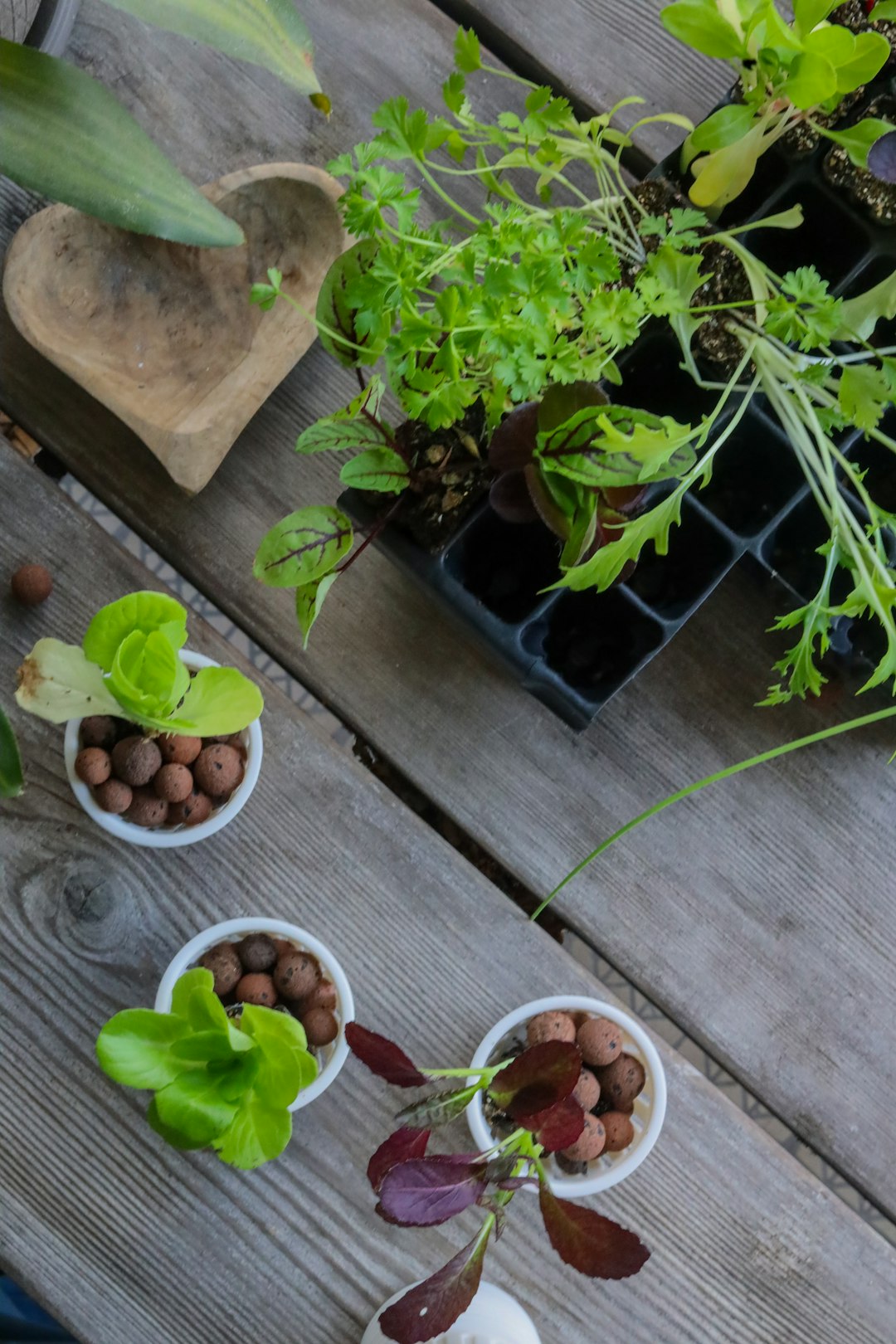
Imagine stepping into your kitchen and snipping fresh herbs to elevate your culinary creations. An indoor herb garden offers you this delightful experience, all year round.
It's not just about adding flavor to your dishes; it's about transforming your space into a lush, aromatic haven. With endless possibilities, you might wonder what to grow in your indoor herb garden. The answer lies in understanding your taste preferences, space, and the care each herb requires.
Dive into this guide where we'll explore the best herbs for your indoor garden, ensuring you have everything you need to create a thriving oasis right at home. Feel empowered to make choices that will bring freshness and flavor directly to your fingertips. Keep reading to unlock the secrets to a successful indoor herb garden that will invigorate your senses and enhance your lifestyle.
Benefits Of An Indoor Herb Garden
Growing herbs indoors offers convenience and freshness right at your fingertips. Basil, mint, and parsley thrive in small spaces. These herbs add flavor to dishes and enhance home aesthetics.
Growing your own indoor herb garden offers more than just a supply of fresh herbs; it's a rewarding experience that adds beauty and function to your living space. Imagine the joy of plucking fresh basil for your pasta or mint for your mojito, all without stepping outside. An indoor herb garden is not only a culinary delight but also a way to enhance your well-being.
Easy Access To Fresh Ingredients
Having fresh herbs at your fingertips means you can elevate your cooking effortlessly. No more last-minute trips to the store when you can simply snip some rosemary or parsley right from your kitchen. Fresh herbs can transform a simple dish into something extraordinary.
Cost-effective And Reduces Waste
Buying herbs from the store often means buying more than you need, leading to waste. With an indoor herb garden, you pick only what you need, saving money and reducing food waste. You'll find that a small initial investment in seeds or seedlings can yield significant savings in the long run.
Improves Air Quality
Indoor plants, including herbs, can improve air quality by absorbing toxins and releasing oxygen. This can create a healthier environment, especially in urban areas where air quality might be compromised. Breathing cleaner air can improve your overall health and well-being.
Boosts Mood And Reduces Stress
There's something therapeutic about caring for plants. Watching them grow can be a satisfying experience that reduces stress. When you nurture an indoor herb garden, you might find a new sense of calm and satisfaction in your daily routine.
Enhances Decor And Adds Greenery
Herbs add a touch of greenery and elegance to any room. They can be beautifully arranged on windowsills or as part of your kitchen decor. The vibrant green of herbs can make your space feel more alive and inviting.
Educational Opportunity
An indoor herb garden is a great way to learn about plant care and growth. It offers a hands-on experience that can be both educational and fun, especially if you have kids. It's a small step towards understanding nature's processes and growing your self-sufficiency. What herbs will you choose for your indoor garden? The possibilities are endless, and the benefits are numerous. Whether you're an experienced gardener or a beginner, an indoor herb garden can be a delightful addition to your home.
Choosing The Right Herbs
Starting an indoor herb garden can be rewarding and fun. One key to success is choosing the right herbs. Each herb has its own needs and benefits. Select herbs that thrive indoors and suit your cooking style. Consider light, space, and care when picking herbs. This guide will help you choose the best herbs for your garden.
Understanding Light And Space Needs
Herbs need light to grow well. Most herbs prefer bright, indirect sunlight. A sunny windowsill is ideal. If natural light is limited, use grow lights. Space is also important. Herbs need room to spread out. Choose herbs that fit your space. Small spaces suit compact herbs like chives and basil.
Top Easy-to-grow Herbs
Some herbs are easier to grow indoors than others. Basil is a popular choice. It's easy to care for and grows quickly. Mint is another good option. It needs little attention and spreads fast. Chives are great for beginners. They need minimal care and grow year-round.
Herbs For Culinary Use
Consider what you cook often. Basil is perfect for Italian dishes. Mint adds a fresh taste to drinks and salads. Rosemary is great for roasting meats. Choose herbs that you'll use in your meals. This ensures a fresh supply for cooking.
Herbs With Aromatic Scents
Some herbs offer lovely scents. Lavender provides a calming aroma. Thyme has a warm, earthy scent. These herbs can freshen up any room. They also add beauty to your indoor garden.
Considerations For Herb Care
Each herb has its own care needs. Basil likes moist soil, but not too wet. Mint thrives in damp conditions. Rosemary prefers dry soil between waterings. Understand each herb's needs for best results.
Basil
Basil:A staple in many kitchens, basil brings a burst of fresh flavor to your dishes. Growing basil indoors can be a rewarding experience. Its aromatic leaves are perfect for adding a touch of green to your windowsill and a zest to your meals. Whether you're a seasoned gardener or a newbie, basil is a forgiving herb that thrives with a little care.
Varieties To Try
Did you know there are over 60 varieties of basil? Each offers a unique flavor and aroma.
- Sweet Basil:The most common variety, perfect for pesto and salads.
- Thai Basil:Offers a hint of licorice, ideal for Asian dishes.
- Lemon Basil:A citrusy twist, great for teas and desserts.
Experimenting with different types can lead to delightful culinary surprises. Which variety will you choose to spice up your indoor herb garden?
Care Tips
Basil loves sunlight. Place your plant where it can soak up at least six hours of sunlight a day.
Regular watering is essential, but be cautious not to overwater. The soil should be moist, not soggy.
Pinch off the tips regularly to encourage bushy growth. This also prevents flowering, which can alter the flavor.
Use a balanced fertilizer once a month to keep your basil thriving. Organic options can be beneficial and safer for home use.
With these simple care tips, your basil will flourish indoors, ready to enhance your culinary creations.
Growing basil indoors is a journey worth taking. Its versatility in the kitchen and ease of care make it a top choice for any indoor gardener. What are you waiting for? Start your basil adventure today and watch your garden come to life!
Mint
Mint thrives in indoor herb gardens, offering a fresh aroma and versatile use in cooking and beverages. Its low maintenance and rapid growth make it perfect for beginners. Enjoy mint's refreshing taste year-round by placing it in a sunny windowsill.
Mint is a popular choice for indoor herb gardens, and it's easy to see why. This versatile herb can add a refreshing twist to your dishes and drinks. With the right care, mint can thrive indoors, providing you with a constant supply of fresh leaves.
Popular Types
There are several types of mint you can grow indoors. Peppermint is known for its strong menthol flavor, making it perfect for teas and desserts. Spearmint has a milder taste, often used in salads and sauces. You might also consider chocolate mint for a unique twist, which has a subtle chocolate scent and flavor. Choosing the right type depends on your taste preferences and intended use. Do you want a bold flavor to elevate your mojitos, or a gentle hint for your lamb dishes? Each type of mint offers something different, so pick what excites you most.
Growing Conditions
Mint is relatively easy to grow indoors if you provide the right conditions. It thrives in a sunny spot, ideally near a south-facing window where it can soak up plenty of light. If natural light is scarce, a grow light can do wonders for your mint’s growth. Ensure your mint is in a pot with good drainage. This herb loves moisture but doesn't appreciate soggy roots. Water it regularly, allowing the soil to dry out slightly between waterings. Have you ever noticed how quickly mint can grow? With the right conditions, it can become quite lush, giving you a plentiful supply. Pruning is essential to keep your mint healthy and bushy. Regularly trim the top leaves to encourage growth. Have you ever tried adding freshly cut mint to your iced water? It's a simple way to make your hydration more enjoyable. Growing mint indoors is not just about the end product but also the experience. Watching your mint thrive can be a rewarding journey. Are you ready to add this refreshing herb to your indoor garden? With a little care, you’ll have a thriving mint plant that can enhance your culinary creations.
Cilantro
Cilantro thrives indoors, offering fresh flavor for dishes year-round. It prefers sunlight and well-drained soil. Regular watering ensures healthy growth, making it a top choice for indoor herb gardens.
Growing cilantro in your indoor herb garden brings a burst of fresh flavor to your culinary adventures. This herb, also known as coriander, is perfect for those who love experimenting with global cuisines right from their kitchen. Imagine plucking fresh leaves to garnish your dishes, elevating them to a whole new level of deliciousness.
Flavor Profile
Cilantro has a unique taste that can be quite divisive. Some people love its fresh, citrusy flavor, while others find it soapy. This taste discrepancy is due to genetic differences in taste perception. If you're among the fans, cilantro can add a bright, zesty note to your salsas, curries, and salads. Personally, I find adding cilantro to a homemade guacamole makes it irresistible. Every bite feels fresh and vibrant. What dishes do you think could use a cilantro touch?
Maintenance Needs
Cilantro is relatively easy to maintain indoors, making it a great choice for beginners. It thrives in well-drained soil and needs about six hours of sunlight each day. A sunny windowsill is often an ideal spot. Regular watering is crucial, but be careful not to overwater. The soil should be moist, not soggy. If you notice yellowing leaves, it might be a sign of overwatering. Also, cilantro tends to bolt in warmer temperatures, so keeping it cool can extend its lifespan. To keep your cilantro bushy, trim it regularly. Harvesting the leaves frequently encourages more growth. Have you ever wondered how rewarding it feels to see your cilantro thriving with just a bit of care? It’s like having a green companion in your kitchen!
Thyme
Thyme is a staple in indoor herb gardens. Its aromatic leaves add flavor to dishes. Growing thyme indoors is easy and rewarding. This herb thrives with minimal care.
Common Varieties
Thyme offers several varieties for indoor gardening. Common thyme is popular for its culinary use. Lemon thyme has a citrus aroma, perfect for teas and desserts. Creeping thyme is ideal for ornamental purposes, adding beauty to your space.
Light And Water Requirements
Thyme loves sunlight. Place it near a bright window for optimal growth. It requires 6 hours of light daily. Water thyme sparingly. Overwatering can cause root rot. Let the soil dry between watering sessions for healthy plants.
Rosemary
Rosemary is a classic herb that thrives indoors. Its needle-like leaves and aromatic scent make it a favorite. It's a versatile herb in cooking and offers aesthetic appeal. Rosemary's ability to adapt indoors makes it a perfect choice for your herb garden. With the right care, rosemary can flourish beautifully.
Growth Habits
Rosemary grows as a woody perennial shrub. It prefers well-draining soil and moderate sunlight. Indoors, it can reach up to three feet in height. Its branches are sturdy, supporting dense clusters of leaves. The plant's growth is slow and steady. Pruning encourages bushier growth and more leaves. Regular trimming keeps its shape compact.
Optimal Care
Rosemary needs bright, indirect sunlight for six to eight hours daily. A south-facing window suits it well. Ensure the soil is well-drained to prevent root rot. Water the plant thoroughly, letting the topsoil dry out between watering. Avoid over-watering, which harms the roots. Use a pot with drainage holes for excess water. Fertilize once a month with a balanced liquid fertilizer. This boosts its growth and keeps it healthy. Regularly check for pests like spider mites or aphids. Remove them with a gentle spray of water.
Oregano
Oregano thrives in indoor herb gardens, offering a fragrant addition to your collection. Its small leaves pack a flavorful punch, perfect for seasoning dishes. Easy to care for, oregano prefers a sunny spot and regular watering.
Oregano is a must-have herb in any indoor garden. This aromatic plant is easy to grow and adds a burst of flavor to a variety of dishes. Whether you're a seasoned cook or just starting your culinary journey, having fresh oregano at your fingertips can elevate your meals to new heights. Plus, growing oregano indoors is a rewarding experience that brings a touch of nature into your home.
Best Uses
Oregano is a versatile herb that shines in Italian and Mediterranean cuisines. It pairs well with tomatoes, making it a perfect addition to pasta sauces and pizza. You can also use it to season grilled meats, enhancing their flavor profile. Have you ever tried adding fresh oregano to a homemade salad dressing? It adds a delightful earthiness that bottled dressings just can't replicate. Get creative and experiment with this herb in your daily cooking.
Cultivation Tips
Starting an indoor oregano garden is simpler than you might think. Begin with a small pot and well-draining soil. Oregano thrives in bright sunlight, so place it on a sunny windowsill. Keep the soil slightly moist but avoid overwatering—oregano prefers to stay on the dry side. Pruning is key; regularly trim the stems to encourage bushy growth and prevent it from becoming too leggy. Have you noticed your oregano getting leggy and reaching for light? It might be a sign to give it more direct sunlight. Growing oregano indoors not only adds flavor to your dishes but also brings a sense of accomplishment. Wouldn't you love to pluck fresh herbs right when you need them? Embrace the joy of indoor gardening by making oregano a staple in your herb collection.
Parsley
Parsley thrives in indoor herb gardens, adding fresh flavor to dishes. It's easy to grow and requires minimal space. This herb's vibrant green leaves are perfect for garnishing meals, making it a popular choice for home cooks.
Parsley is a must-have for any indoor herb garden. Its vibrant green leaves and refreshing taste can elevate your dishes to new heights. Whether you're garnishing a plate or adding flavor to a soup, parsley brings a fresh touch to your culinary creations.
Flat-leaf Vs. Curly
When choosing parsley for your indoor garden, you might wonder: flat-leaf or curly? Flat-leaf parsley, also known as Italian parsley, is favored by chefs for its robust flavor and ease of chopping. Curly parsley, on the other hand, has a milder taste and is often used for decorative purposes. Both types are excellent choices, but your decision depends on your cooking needs. If you love cooking and want a strong flavor, go for flat-leaf. Prefer a subtle hint and a fancy garnish? Curly might be your best bet.
Planting Advice
Growing parsley indoors is straightforward. Start by selecting a pot with good drainage and fill it with a quality potting mix. Plant the seeds about a quarter-inch deep and keep the soil consistently moist, but not soggy. Place your pot in a spot that gets plenty of sunlight. Parsley thrives with about six hours of sunlight a day. If natural light is limited, consider using a grow light to ensure your plant gets the light it needs. As your parsley grows, you might notice it becomes crowded. Don’t hesitate to thin out the seedlings. Regular harvesting will also encourage new growth. Just snip the outer leaves, leaving the center intact to promote a bushier plant. Have you tried growing parsley before? What type did you choose and how did it enhance your meals? Share your experiences and tips in the comments!
Chives
Chives thrive in indoor herb gardens, offering a mild onion flavor for various dishes. Their slender green stems make them a space-efficient choice. Easy to grow, they require minimal maintenance and plenty of sunlight. Perfect for adding freshness to soups, salads, and garnishes.
Imagine stepping into your kitchen and having fresh herbs at your fingertips. Among the easiest and most delightful herbs to grow indoors are chives. With their mild onion-like flavor, chives can elevate your culinary dishes and add a touch of green to your home. Whether you're new to indoor gardening or a seasoned herb enthusiast, chives are a fantastic choice to cultivate.
Culinary Uses
Chives are versatile and can be used in various dishes. They add a subtle onion taste without overpowering your meal. Sprinkle them on scrambled eggs or baked potatoes for a fresh burst of flavor. Have you tried adding chives to your homemade salad dressings? Their delicate flavor complements the tanginess perfectly. Chives are also a great garnish for soups and stews. Their vibrant green color adds visual appeal and freshness.
Growth Conditions
Chives thrive indoors with just a few simple requirements. They prefer a sunny spot, ideally on a windowsill where they can soak up the sun. Make sure they receive around 6 hours of sunlight daily. They grow best in well-drained soil, so use pots with drainage holes. Keep the soil moist but not waterlogged. A little water goes a long way in keeping your chives healthy. Have you considered the temperature of your home? Chives prefer cooler temperatures, around 60-70°F. This makes them perfect for a cozy indoor environment. Growing chives indoors is rewarding and simple. You get fresh herbs at your convenience, and your kitchen gets a natural decor upgrade. Have you tried growing chives indoors before? If not, what’s stopping you?
Sage
Sage thrives indoors, offering a delightful addition to your herb garden. Its aromatic leaves enhance flavors in cooking. Ideal for sunny kitchen windowsills, sage grows well in small pots, requiring minimal care.
Growing an indoor herb garden can transform your living space into a fragrant oasis, and sage is a delightful addition. This aromatic herb is not only known for its earthy flavor but also for its medicinal properties. Whether you use it for culinary purposes or simply enjoy its scent, sage is a versatile plant that can thrive indoors with proper care.
Varietal Selection
When choosing sage for your indoor garden, consider the different varieties available. Common sage is popular for its culinary uses, with broad, soft leaves. If you’re looking for something ornamental, tricolor sage offers a splash of color with its purple, cream, and green leaves. Pineapple sage is another option, known for its sweet pineapple scent and bright red flowers. Each variety has its unique appeal, so think about what you want from your sage plant. Do you prefer something purely for cooking, or are you drawn to the aesthetic value of ornamental sage?
Care Instructions
Sage is relatively easy to care for, making it perfect for beginners. It requires well-draining soil, so a pot with drainage holes is essential. Position your sage plant in a spot where it can receive six to eight hours of sunlight daily. If natural light is limited, consider using a grow light. Water your sage when the top inch of soil feels dry. Be careful not to overwater, as sage is prone to root rot. Regular pruning encourages bushier growth and prevents the plant from becoming leggy. Have you ever thought of using fresh sage in your meals? Harvest leaves as needed, but leave enough for the plant to continue thriving. This simple practice keeps your sage plant healthy and productive, providing you with fresh herbs whenever you need them. Incorporating sage into your indoor herb garden not only adds to your culinary adventures but also brings a touch of nature indoors. With the right care, your sage plant will thrive, offering both beauty and functionality in your home.
Lemon Balm
Imagine a plant that offers both beauty and utility, with a fragrance that refreshes your senses. That's Lemon Balm for you! An excellent choice for your indoor herb garden, Lemon Balm is not just about its charming appearance but also its delightful scent. This herb is perfect for anyone looking to add a touch of nature indoors while enjoying its calming properties.
Aromatic Qualities
Lemon Balm is known for its refreshing citrus aroma. The scent is often compared to a mix of lemon and mint, making it an ideal choice for a relaxing atmosphere in your home. Crushing a few leaves releases a calming fragrance that can lift your spirits instantly. You might find that its soothing scent helps you unwind after a long day.
Have you ever considered using Lemon Balm in your homemade potpourri? Its fragrance can add an invigorating twist to your natural room fresheners. Some people even use its scent in their bath for a spa-like experience. What creative ways could you use its aroma in your daily life?
Growing Tips
Lemon Balm thrives in well-drained soil and requires regular watering, but be careful not to overwater. A sunny window is perfect for this herb, as it loves light. If you notice the leaves turning pale, it might be time to move it to a sunnier spot.
Pruning is your friend when it comes to Lemon Balm. Regularly trimming the plant encourages bushy growth and prevents it from becoming too leggy. Plus, this gives you more leaves to enjoy its aroma. You can even dry some leaves for use during the colder months.
Ever tried growing it in a small pot on your kitchen counter? It’s a great way to keep fresh Lemon Balm within arm’s reach for teas or garnishes. Do you have any spot in your home that could use a touch of greenery and fresh aroma?
By adding Lemon Balm to your indoor herb garden, you bring in both beauty and utility. Its aromatic qualities and easy growth tips make it a delightful addition to your space. Whether you're sipping a cup of tea or enjoying a quiet evening, this herb can enhance your experience and elevate your indoor garden.
Container And Space Considerations
Creating an indoor herb garden is a delightful venture. It brings fresh flavors into your kitchen. Considerations on containers and space are crucial for success. Proper planning ensures herbs thrive in limited indoor environments.
Containers For Your Indoor Herb Garden
Choose containers with drainage holes. This prevents waterlogging and root rot. Size matters; small pots suit herbs with shallow roots. Larger pots support herbs with deeper root systems. Materials like clay or ceramic regulate soil moisture well.
Space Requirements
Herbs need sunlight and air circulation. Place containers near windows for natural light. Ensure shelves or tables are sturdy. Avoid overcrowding to prevent mold. Enough space between plants boosts growth.
Vertical Gardening Solutions
Use vertical space to maximize herb garden capacity. Wall-mounted planters save floor space. Hanging baskets add greenery without clutter. Shelving units accommodate multiple containers efficiently.
Lighting Considerations
Natural light is ideal but not always available. Consider grow lights for windowless rooms. LED grow lights are energy-efficient and effective. Position lights close to plants for optimal growth.
Maintaining Your Herb Garden
Regular watering is essential. Check soil moisture before watering. Rotate plants for even sunlight exposure. Trim herbs to encourage bushier growth. Clean containers periodically to prevent pests.
Lighting Needs For Herbs
Growing herbs indoors can be a delightful experience. They add fresh flavors to meals and beauty to your home. But to grow well, herbs need proper lighting. Without it, they may not thrive or could even wilt.
Understanding their lighting needs is crucial. Different herbs require different amounts of light. Some herbs love basking in sunlight, while others prefer the shade.
Understanding Natural Light
Natural light is vital for indoor herbs. A sunny windowsill often provides enough light. South or west-facing windows are ideal spots. They offer the most sunlight during the day.
Herbs like basil and rosemary thrive in bright light. But, keep an eye on them. Too much direct sunlight can harm sensitive herbs.
Using Artificial Light
Not everyone has bright windows. Artificial lights are a great alternative. LED grow lights are energy-efficient and effective. They mimic the sun's rays and help herbs grow.
Position lights 6 to 12 inches above your plants. This ensures even light distribution. Adjust the height as herbs grow taller.
Duration Of Light Exposure
Herbs need about 12 to 16 hours of light daily. Use timers to maintain a consistent light schedule. This helps mimic natural daylight cycles.
Ensure your herbs get a period of darkness. This helps them rest and grow strong.
Watering And Feeding
Creating a thriving indoor herb garden requires proper care. Watering and feeding are essential to keep your herbs healthy. Understanding the right techniques will ensure lush growth and fragrant herbs.
Watering: How Much Is Enough?
Indoor herbs need consistent moisture. Check soil moisture regularly. Insert your finger one inch into the soil. If it feels dry, it’s time to water. Avoid overwatering as it can cause root rot. Use pots with drainage holes. This helps excess water escape.
Best Watering Practices
Water herbs in the morning. This allows leaves to dry by evening. Use room temperature water. Cold water can shock plant roots. Consider using a spray bottle. Mist leaves lightly to increase humidity.
Feeding: Providing Essential Nutrients
Herbs need nutrients to grow well. Use a balanced liquid fertilizer. Apply every two weeks during the growing season. Follow package instructions for the correct amount. Avoid over-fertilizing as it can harm plants.
Signs Of Nutrient Deficiency
Yellowing leaves may indicate a lack of nutrients. Slow growth can also signal nutrient issues. Adjust feeding schedule if you notice these signs. Healthy herbs have vibrant green leaves and steady growth.
Natural Feeding Alternatives
Compost tea is a great natural option. It provides essential nutrients. Make it by steeping compost in water. Strain and use it to water your herbs. This enhances soil health and plant vitality.
Harvesting Techniques
Growing herbs indoors is rewarding, but knowing how to harvest them is key. Proper harvesting ensures continuous growth and optimal flavor. This guide explores effective techniques for your indoor herb garden.
Pruning For Prolific Growth
Pruning encourages your herbs to grow bushier. Use sharp scissors to cut above a leaf node. This promotes new branches and extends the plant's life. Regular pruning keeps your herbs healthy.
Pinching Tips For Tender Leaves
Pinching is perfect for herbs like basil. Pinch the tips of the stems with your fingers. This method encourages fuller growth. It also prevents the plant from becoming too tall. Tender leaves enhance flavor in dishes.
Snipping For Freshness
Snip individual leaves for immediate use. Choose the outer leaves first. This technique keeps the plant producing new leaves. Snipping ensures you have fresh herbs at your fingertips.
Whole Stem Cutting
Sometimes cutting whole stems is necessary. Use this technique when you need larger quantities. Cut just above a node to encourage regrowth. Whole stem cutting is effective for herbs like rosemary.
Timing Your Harvest
Timing impacts flavor and growth. Harvest in the morning when oils are most concentrated. Avoid harvesting more than one-third of the plant at once. Proper timing ensures your herbs remain productive.
Frequently Asked Questions
What Herbs Are Best For Indoor Gardens?
Basil, mint, and chives thrive indoors due to their adaptability. They need moderate sunlight and regular watering. These herbs are perfect for beginners, offering flavorful additions to meals. Rosemary and thyme are also excellent choices, offering robust flavors and requiring minimal care.
How Much Sunlight Do Indoor Herbs Need?
Indoor herbs generally require 4-6 hours of sunlight daily. Place them near a sunny window for optimal growth. If natural light is insufficient, consider using grow lights. They mimic sunlight and help herbs flourish indoors, ensuring healthy growth and vibrant flavors.
Can I Grow Herbs In Small Spaces?
Absolutely, herbs are ideal for small spaces. Use containers or vertical gardening techniques to maximize space. Herbs like parsley and cilantro adapt well to confined areas. Choose compact varieties and ensure proper drainage. Small pots work well on windowsills, keeping herbs handy for culinary use.
How Often Should I Water Indoor Herbs?
Water indoor herbs when the topsoil feels dry. Overwatering can harm roots, so check soil moisture regularly. Most herbs prefer consistent moisture but ensure pots have drainage holes. Adjust watering frequency based on temperature and humidity to maintain healthy growth.
Conclusion
Growing herbs indoors is simple and rewarding. Fresh basil, mint, and parsley enhance meals. Their fragrant leaves make cooking delightful. Rosemary and thyme add depth to dishes. They thrive near sunny windows. With proper care, indoor herbs flourish. Water regularly and ensure good drainage.
Enjoy the flavors and aromas. They brighten any kitchen. Experience the joy of gardening inside. Herbs are versatile and beneficial. Perfect for small spaces. Start your indoor herb garden today. It's a fun and tasty adventure. Happy growing!