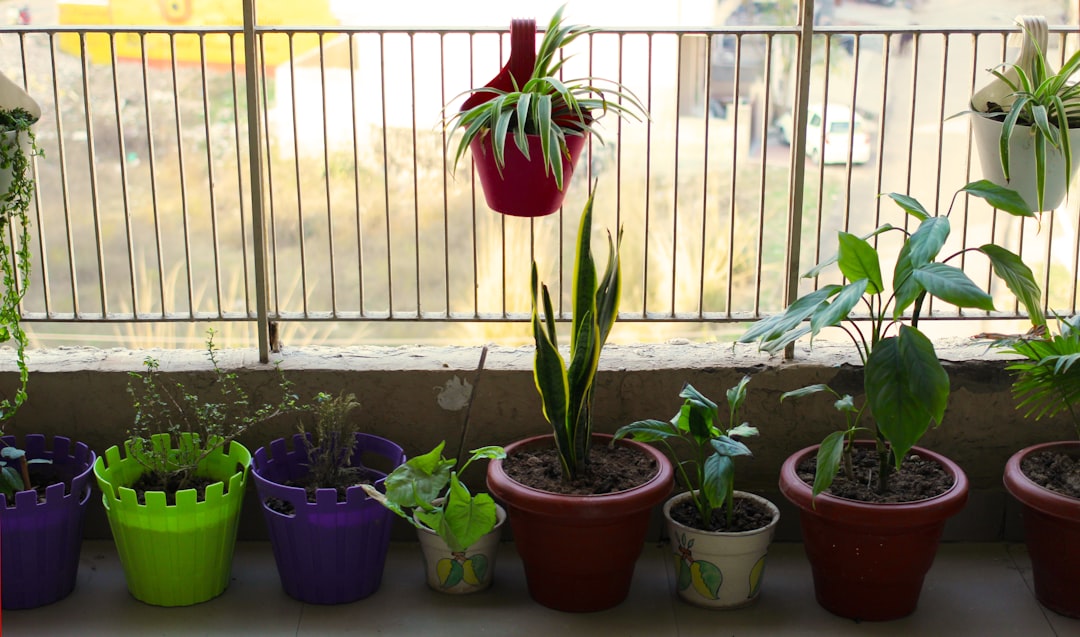
Imagine walking into a room where plants thrive effortlessly, their leaves lush and vibrant, almost as if they're whispering a secret to you. You might wonder how it's possible to achieve such a thriving indoor garden.
The secret lies in choosing the right color of light to nurture your plants. You see, light isn't just about visibility; it's the lifeline for your green companions. But with so many options available, which color should you choose to bring out the best in your indoor garden?
You'll uncover how different hues can transform your space, boost plant growth, and turn your indoor garden into a flourishing oasis. The right light color isn't just a detail; it's the foundation for healthy, happy plants. Get ready to explore the science and art of indoor gardening. Your plants are counting on you!
Importance Of Light In Plant Growth
Different light colors affect plant growth indoors. Blue light helps leaves grow, while red light aids flowering. Balancing these colors ensures healthy plant development.
The role of light in plant growth is crucial. Without the right kind of light, your indoor garden will struggle. Plants rely on light not just for survival but to thrive and produce vibrant blooms and healthy leaves. Light acts as the primary energy source for plants. Through photosynthesis, plants convert light into chemical energy to fuel their growth. Imagine trying to grow a garden in a dim room. It’s like expecting a candle to light up an entire house. Your indoor plants need specific types of light to flourish.
Understanding Plant Needs
Different plants have varying light requirements. Some thrive in direct sunlight, while others prefer shade. Assess what your plants need and adjust accordingly.
Types Of Light For Indoor Gardening
Consider using full-spectrum LED lights. They mimic natural sunlight and are energy-efficient. Alternatively, fluorescent lights can provide good results for smaller setups.
Personal Experience: Finding The Perfect Light
I once tried growing herbs indoors with regular bulbs. The plants were leggy and weak. Switching to LED lights made them robust and healthy.
Practical Tips For Choosing Light
Choose lights that match your plant’s growth stage. Seedlings need brighter, cooler lights, while mature plants benefit from warmer lights.
How Light Affects Plant Health
Insufficient light can lead to poor growth and diseases. A well-lit indoor garden is more resistant to pests. Balance is key.
Engaging Question: Are You Giving Your Plants Enough Light?
Evaluate your current setup. Are your plants thriving or merely surviving? What changes can you make to improve their environment? Remember, every plant has a story to tell through its growth. Make sure your indoor garden has the right light so it can tell a beautiful one.
Role Of Different Light Colors
Different light colors play a vital role in indoor gardening. Blue lights help plants grow strong leaves, while red lights support flowering. Balancing these colors ensures a healthy indoor garden.
Understanding the Role of Different Light Colors in your indoor garden can transform your plant-growing experience. Each color of light has a unique impact on plant growth, influencing everything from seed germination to flowering. Imagine the power of harnessing these colors to optimize your indoor garden's yield and beauty.
Red Light Benefits
Red light is vital for flowering and fruiting. It encourages plants to produce blooms and fruits, making it essential for gardeners focusing on these outcomes. I once switched to red lights in my tomato garden and saw an immediate improvement in the size and number of fruits.
Blue Light Effects
Blue light is crucial for vegetative growth. It helps plants develop strong stems and leaves, making them robust and healthy. When I added more blue light to my indoor herb garden, the basil leaves grew larger and tasted more aromatic.
Green Light Impact
While green light is less effective for photosynthesis, it plays a unique role. It penetrates deeper into the leaf canopy, reaching lower leaves that other colors can't. Don't underestimate its role; those hidden leaves can still contribute to your plant's overall health.
Full Spectrum Lighting
Full spectrum lighting mimics natural sunlight, offering a balance of all light colors. It's a versatile solution for those who don't want to micromanage light colors. If you're new to indoor gardening, starting with full spectrum lights could be your best bet for a hassle-free setup. Choosing the right light colors can feel overwhelming, but remember that your plants are your best guides. Observe their growth and adjust accordingly. How will you light up your indoor garden today?
Choosing The Right Light For Your Plants
Choosing the right light for your indoor garden is crucial. Plants need specific light types to grow well. The wrong light can harm or slow plant growth. Understanding your plant's needs ensures healthy development. Let's explore how to select the best light for your indoor plants.
Understanding Plant Needs
Plants need light to make food. This process is photosynthesis. Not all light types are equal for plants. Sunlight has a mix of colors. Each color affects plant growth differently. Blue light helps plants grow strong stems. Red light supports flowering and fruit production. Knowing these needs helps choose the right light.
Matching Light To Plant Type
Different plants need different light types. Leafy greens thrive under blue light. Tomatoes and peppers need red light to bloom. Know your plant type before choosing a light. This ensures the plant gets what it needs. It also prevents wasting energy on unnecessary light.
Balancing Light Intensity And Duration
Light intensity affects plant growth. Too much light can damage leaves. Too little light slows growth. Balance is key. Consider light duration too. Most plants need 12-16 hours of light daily. Keep track of your light setup. Adjust as needed for optimal growth.
Types Of Grow Lights
Choosing the right grow light is essential for indoor gardens. Different plants need specific light types for optimal growth. Understanding these light types helps in creating a healthy indoor garden environment.
Led Grow Lights
LED grow lights are energy-efficient. They last longer than other types. These lights offer a full spectrum. This is ideal for different plant stages. LEDs produce less heat, reducing the risk of plant damage. They are cost-effective in the long run. Many indoor gardeners prefer LEDs for their versatility.
Fluorescent Grow Lights
Fluorescent lights are common in indoor gardening. They provide a good balance of light and heat. These lights are suitable for seedlings and leafy greens. Fluorescent lights are affordable and easy to find. They don't consume much electricity. T5 and T8 are popular types among gardeners.
Incandescent Grow Lights
Incandescent lights are the traditional choice. They are inexpensive and easy to use. However, they are not very energy-efficient. These lights produce more heat, which can harm plants. Incandescent lights are best for houseplants needing less light.
High-intensity Discharge Lights
High-intensity discharge (HID) lights are powerful. They are suitable for larger plants. These lights offer a broad spectrum, beneficial for flowering stages. HID lights are more energy-consuming. They require proper ventilation due to high heat production. For advanced gardeners, they can be a good choice.
Setting Up Your Indoor Garden Lighting
Lighting is crucial for your indoor garden's success. Good lighting choices can make or break your plant growth. Setting up your indoor garden lighting correctly ensures your plants thrive all year round. Let's dig into some practical tips to get your setup just right.
Placement Tips
Placing lights correctly is essential. Keep your lights close to the plants for maximum effect. But don't go too close; you risk burning the leaves. Consider adjustable stands or hanging fixtures to manage distance easily.
Think about your room layout. Do you have windows that provide some natural light? Position your lights to complement sunlight rather than compete with it. This helps you save energy while ensuring your plants get the right mix of light.
Adjusting Light For Growth Stages
Plants need different light intensities at various growth stages. Seedlings require gentle light, while mature plants thrive under stronger lights. Adjust your light settings as your plants grow to give them optimal conditions.
Using timers can automate this process. Set them to mimic the natural daylight cycle. This reduces the hassle and ensures consistency. Have you noticed a growth spurt after adjusting light settings? It's proof that the right adjustment can make all the difference.
Energy Efficiency Considerations
Energy-efficient lighting saves money and helps the environment. LED lights are a top choice for indoor gardens. They consume less power and last longer than traditional bulbs.
Do you worry about your electricity bill skyrocketing? Invest in energy-efficient options. It's a smart choice for both your wallet and sustainability. Consider adding a smart plug to monitor and control usage easily.
How does lighting affect your indoor garden? Share your experiences and insights. Your story could help others make better choices for their gardens. Remember, every small adjustment can lead to a big impact.
Common Mistakes And Solutions
Choosing the wrong light color can hinder plant growth indoors. Blue light encourages vegetative growth, while red light supports flowering. Balancing these colors ensures healthy indoor gardens.
Creating a thriving indoor garden can be a rewarding experience, but it's not without its challenges. One of the most critical elements is light. Choosing the right color of light can make or break your plant's growth. But many indoor gardeners make common mistakes that can hinder their green oasis. Let's explore some of these pitfalls and their solutions, so you can ensure your plants receive the best care possible.
Overexposure To Light
It's tempting to think that more light equals better growth. However, too much light can actually damage your plants. If you notice your plant leaves turning yellow or brown, it might be a sign of overexposure. Consider adjusting the distance between the light source and the plants. You could also use a timer to ensure your plants aren't exposed to artificial light for too long. Have you ever noticed how you feel after a day in the sun without sunscreen? Your plants can feel the same way with too much light.
Inadequate Light Supply
On the flip side, not providing enough light can leave your plants weak and leggy. If your plants are stretching towards the light or growing slowly, it's time to reassess. Try increasing the duration or intensity of the light. Consider investing in higher-quality grow lights that mimic natural sunlight. Imagine you're trying to read in a dimly lit room—it’s frustrating, right? Your plants struggle similarly when they don't get enough light.
Ignoring Plant Feedback
Plants are excellent communicators if you pay attention. They give clear signals about their light needs, but many gardeners overlook these signs. Have you seen leaves curling or drooping? These could be cries for help. Regularly observe your plants and make note of any changes. Try adjusting light settings and watch how your plants respond. A little attention goes a long way. Are you listening to what your plants are telling you? By avoiding these common mistakes, you can cultivate a healthier indoor garden. Remember, your plants depend on you to provide the right environment. With the right light, your indoor garden can thrive and bring joy to your home.
Innovations In Indoor Garden Lighting
Choosing the right color light is crucial for indoor garden success. Blue light supports leafy growth, while red light encourages flowering and fruiting. Combining these lights helps plants thrive indoors.
Indoor gardening has changed with new lighting technologies. These innovations make it easier to grow plants inside. People now have more options for light colors and systems. This helps plants grow better indoors. Let's explore some exciting advancements.
Smart Lighting Systems
Smart lighting systems allow gardeners to control lights with ease. They can adjust the light's color and brightness. This helps plants get the right amount of light. Some systems even have apps for smartphones. You can change settings from anywhere. These systems often use sensors. Sensors measure light levels and plant needs. This leads to healthier plants and saves energy.
Advancements In Led Technology
LED technology has improved indoor gardening significantly. LEDs last longer than traditional lights. They also use less energy. This makes them cost-effective for indoor gardens. LEDs can produce different light colors. Each color helps plants grow in specific ways. Blue light aids leaf growth. Red light helps flowering and fruiting. These advancements in LED technology make them a top choice for indoor gardens.
Frequently Asked Questions
What Is The Best Light Color For Indoor Plants?
The best light color for indoor plants is full-spectrum white light. It mimics sunlight and supports photosynthesis. Blue light promotes leaf growth, while red light encourages flowering. Combining these colors ensures healthy growth. LED grow lights are popular for providing the right balance of wavelengths.
Do Indoor Gardens Need Special Lighting?
Yes, indoor gardens need special lighting to thrive. Regular indoor lights lack the full spectrum needed for photosynthesis. LED grow lights are ideal, offering tailored wavelengths. They provide blue and red light necessary for plant growth and flowering. Proper lighting ensures your plants grow healthy and strong indoors.
How Does Red Light Affect Plant Growth?
Red light significantly influences plant growth, especially flowering. It stimulates flowering and fruit production by activating phytochromes. Red wavelengths encourage stem elongation and leaf expansion. For indoor gardens, red light is essential for blooming plants. Combining it with blue light ensures balanced growth and development.
Why Is Blue Light Important For Plants?
Blue light is crucial for plant growth and photosynthesis. It helps in leaf and stem development by activating chlorophyll. Blue wavelengths encourage compact and strong growth. In indoor gardens, blue light ensures plants grow sturdy and healthy. Combining blue with red light supports overall plant development.
Conclusion
Choosing the right light color boosts your indoor garden's growth. Plants need specific light for photosynthesis. Blue light helps foliage growth. Red light aids flowering and fruiting. Balanced spectrum lights can support all stages. Understand your plant's needs. Experiment with different light colors.
Observe how plants respond. Adjust as necessary to optimize growth. Remember, the right lighting makes a big difference. Healthy plants bring joy and beauty indoors. Enjoy nurturing your indoor garden. Happy gardening!