

Are you tired of your garden tools rusting and wearing out too quickly? Imagine this: with just a little bit of care, you can extend their life and keep them in top-notch condition.
The secret ingredient? Boiling linseed oil. Not only does it clean, but it also creates a protective barrier, ensuring your tools are always ready for action. In this guide, you'll discover how simple it is to maintain your tools using this natural, effective method.
Curious to see how a small change can make a big difference? Keep reading to learn the step-by-step process and transform your gardening routine.
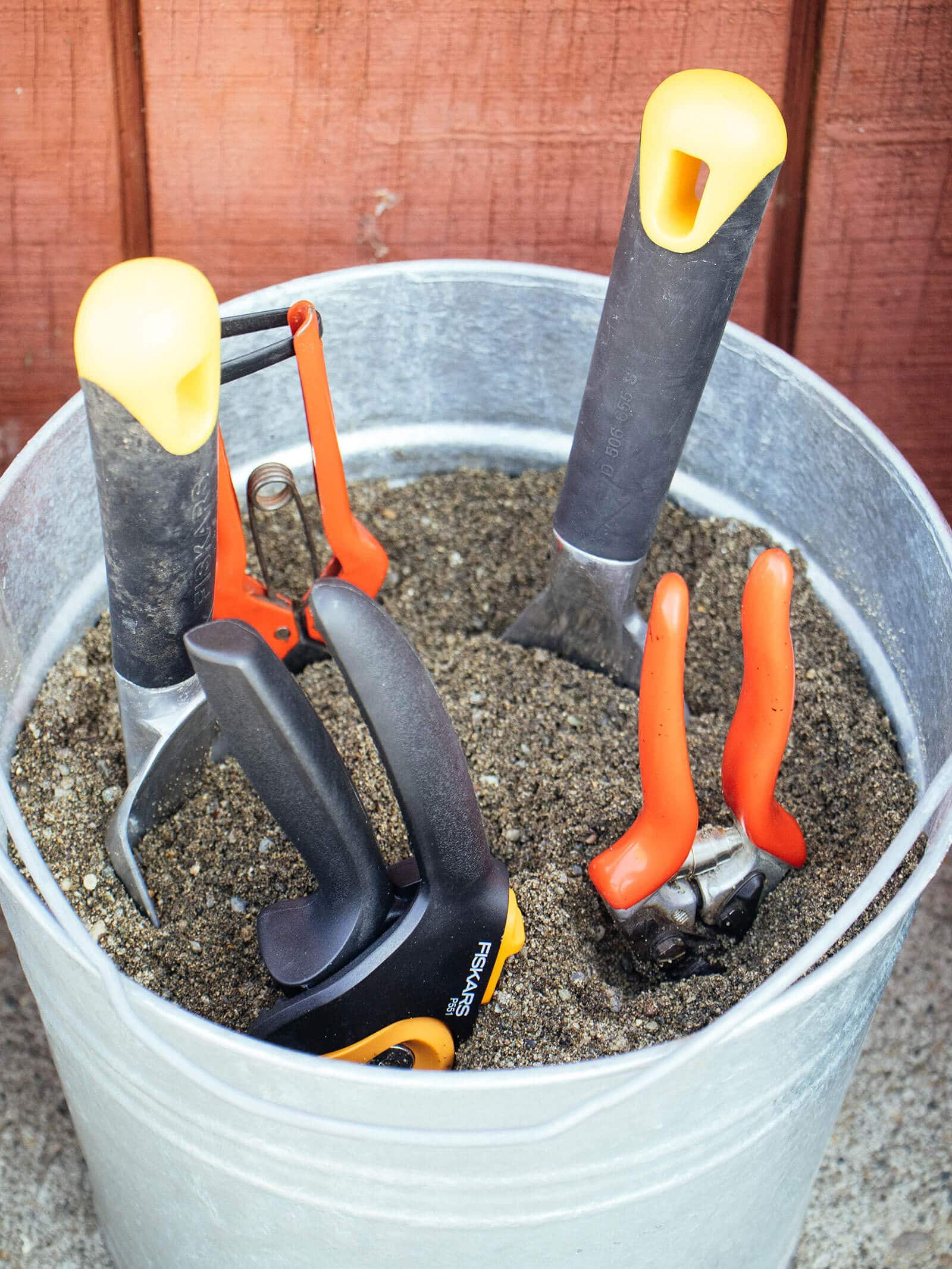
Credit: gardenbetty.com
Benefits Of Boiling Linseed Oil
Boiling linseed oil effectively cleans garden tools, removing rust and dirt. Its natural properties protect metal surfaces from further corrosion. Regular use ensures tools remain in top condition, increasing their lifespan.
Cleaning garden tools with boiling linseed oil might sound unusual, but it offers unique benefits worth considering. Linseed oil, derived from flax seeds, provides a natural and effective way to maintain your garden tools. Embracing this method can extend the life of your tools, ensuring they stay in top shape for years.
What Makes Boiling Linseed Oil Stand Out?
Boiling linseed oil is known for its protective properties. Unlike other oils, it penetrates deeply into the wood and metal parts of your tools. This not only protects against rust but also prevents cracking and drying of wooden handles.
Natural Water Repellent
One of the most significant advantages of using boiling linseed oil is its natural water-repellent quality. This helps keep moisture out, reducing the risk of rust and corrosion. For those living in humid climates, this can be a game-changer for tool maintenance.
Eco-friendly Choice
Boiling linseed oil is a biodegradable and non-toxic option for tool maintenance. Unlike synthetic oils, it doesn’t harm the environment. If you’re conscious about sustainability, this is a choice you can feel good about.
Enhances Tool Longevity
Regularly treating your garden tools with boiling linseed oil can significantly extend their lifespan. A well-maintained tool not only performs better but also saves you from frequent replacements. Consider how much time and money you might save with this simple routine.
Easy To Use
Applying boiling linseed oil is straightforward and doesn’t require any special skills. Simply wipe the oil onto clean, dry tools and let it soak in. Have you ever thought that tool maintenance could be this easy?
Cost-effective Solution
Compared to other commercial tool treatments, boiling linseed oil is an affordable option. A small bottle goes a long way, making it a budget-friendly choice for gardeners of all levels. Why spend more when you can achieve great results with less? Incorporating boiling linseed oil into your tool care routine can transform the way you maintain your garden equipment. Have you tried it yet? Consider giving it a shot and see the difference it makes.

Credit: www.reddit.com
Essential Tools And Materials
Cleaning garden tools regularly is crucial for maintaining their longevity and effectiveness. Boiling linseed oil offers an excellent way to protect them from rust and wear. But before you start, having the right tools and materials is essential. This guide will help you gather everything you need for the job.
Essential Tools
First, gather a few basic tools. You'll need a stiff-bristle brush. This helps scrub away dirt and rust. A cloth or rag is also necessary. Use it to apply the oil evenly. Don't forget sandpaper. It's essential for smoothing rough spots.
Linseed Oil
Boiling linseed oil is the star of this process. It penetrates deeply into the metal. This prevents moisture and rust. Make sure you have enough to cover all your tools. Choose high-quality oil for the best results.
Protective Gear
Safety first! Wear gloves to protect your hands. Linseed oil can be messy. Goggles are also a good idea. They protect your eyes from splashes. Keep your workspace ventilated. The oil's fumes can be strong.
Container For Oil
Use a shallow container for the oil. This makes dipping your cloth or brush easier. A small bowl or old tin works well. Ensure it's clean and dry before use.
Drying Space
After cleaning, your tools need to dry. Find a dry, airy spot. Lay them out flat. Make sure they don't touch each other. This ensures an even drying process.
By preparing these materials, you set the stage for a successful cleaning. Your garden tools will thank you with longer life and better performance.
Preparing The Garden Tools
Cleaning garden tools with boiling linseed oil ensures they stay rust-free and sharp. First, remove any dirt or debris from the tools. Then, apply a thin layer of boiling linseed oil with a cloth to protect and maintain the metal surfaces.
Preparing your garden tools before cleaning them is crucial. It sets the stage for effective maintenance. Clean tools perform better. They also last longer. Follow these steps to get your tools ready for boiling linseed oil treatment.
Removing Dirt And Debris
Start by removing all visible dirt and debris. Use a stiff brush for this task. Pay attention to crevices and joints. These areas often trap soil and plant matter. Rinse the tools with water if needed. Ensure they are dry before moving to the next step. Wet tools can rust quickly.
Assessing Tool Condition
Examine each tool for wear and damage. Check for rust spots or cracks. Look at the handles for splinters. Tighten any loose screws or bolts. Replace worn-out parts to maintain safety. This assessment helps you decide the care each tool needs. Only a well-maintained tool can function properly.
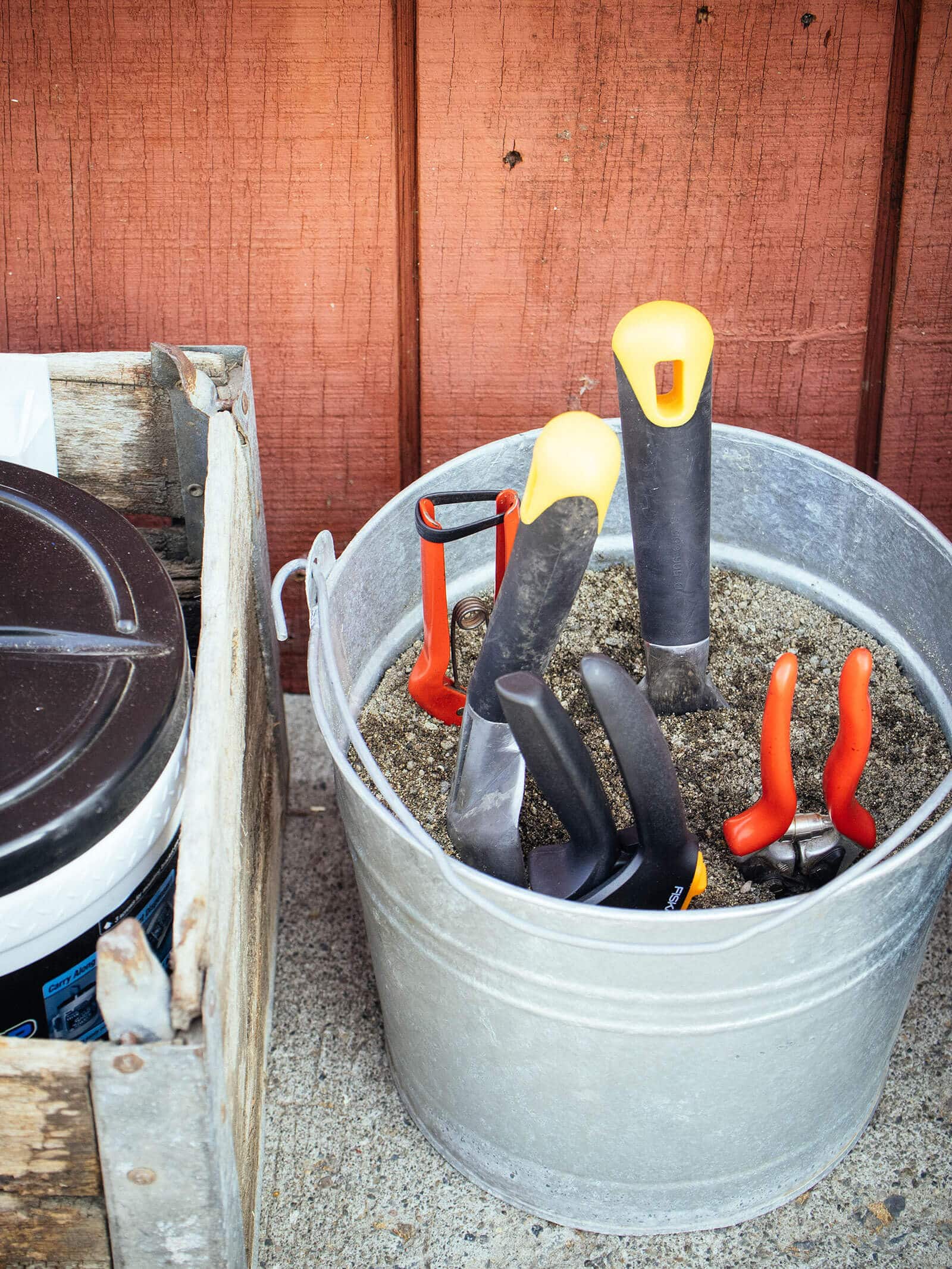
Credit: gardenbetty.com
Applying Boiling Linseed Oil
Boiling linseed oil effectively cleans garden tools, removing dirt and rust. Apply the oil evenly, letting it penetrate the metal surface. Regular use extends tool life and maintains their functionality.
Applying boiling linseed oil to your garden tools is an essential step in maintaining their longevity and efficiency. This oil not only protects the metal from rust but also keeps wooden handles from drying out and cracking. Whether you're a seasoned gardener or a beginner, knowing the right way to apply boiling linseed oil can make all the difference in the world.
Heating The Oil
Start by heating the linseed oil. You can do this by placing the oil in a small metal container and gently warming it over a low flame or using a double boiler. Be cautious not to overheat it—warm, not hot, is the goal. Why heat the oil? Warm oil penetrates better into the wood and metal surfaces, ensuring a deeper, more protective coating. Think of it as giving your tools a spa treatment that leaves them rejuvenated and ready for action.
Coating Techniques
Once the oil is warm, you're ready to apply it to your tools. Use a clean, lint-free cloth or a soft brush to apply the oil evenly. Make sure you cover all surfaces, including joints and any crevices where moisture might sneak in. For wooden handles, apply the oil generously and let it soak in for a few minutes before wiping off any excess. This ensures the wood remains supple and resistant to cracking. For metal parts, a thin layer is usually sufficient to keep rust at bay. Remember, the goal is to protect, not to saturate. After applying, consider setting your tools aside to dry in a well-ventilated area. This allows the oil to cure properly, forming a resilient barrier against the elements. As you go through this process, ask yourself: How often do I need to do this to keep my tools in top condition? Regular maintenance can save you time and money in the long run. What's your garden tool maintenance routine like?
Drying And Storage Tips
Proper drying and storage of garden tools are crucial. After cleaning with boiling linseed oil, tools can remain effective for years. Drying them correctly prevents rust and decay. Storing them safely ensures they're ready for future use.
Ensuring Proper Drying
After cleaning, wipe tools with a clean cloth. Remove all excess oil. This step prevents sticky residue. Allow tools to air dry completely. Choose a well-ventilated area. Avoid direct sunlight. Sunlight can warp wood and dull metal.
Check handles and blades for moisture. Moisture can lead to rust. For tools with wooden parts, ensure all linseed oil is absorbed. This helps maintain wood integrity. Leave tools to dry for at least 24 hours. This ensures complete drying.
Safe Storage Practices
Store garden tools in a dry place. Moisture accelerates rusting. Consider hanging tools on a pegboard. This keeps them organized. It also prevents damage from stacking. Keep tools off the ground. Use shelves or racks for larger items.
For long-term storage, cover blades with a protective cloth. This prevents dust and moisture. Use silica gel packets to absorb humidity. Check stored tools regularly. This ensures they remain in good condition.
Label and organize tools by type. This makes them easy to find. It also saves time during the next gardening session.
Maintenance And Care
Clean garden tools effectively with boiling linseed oil. Remove rust and grime by applying the oil thoroughly. Ensure tools are completely dry before storing to prevent future rusting.
Maintaining and caring for your garden tools is essential to ensure they last for many seasons. Using boiling linseed oil is a fantastic way to keep them in top condition. It not only cleans but also protects your tools, keeping them free from rust and working efficiently. Here's how you can incorporate it into your maintenance routine.
Regular Cleaning Schedule
Establishing a regular cleaning schedule is crucial. After every use, take a few minutes to wipe down your tools. This prevents dirt and moisture from building up, which can lead to rust. Set a specific day each month to give your tools a more thorough cleaning with boiling linseed oil. You might be surprised at how quickly this routine becomes second nature. I remember neglecting this step once, only to find my favorite spade covered in rust. A little regular attention can save you from such headaches.
Spot Treatment Advice
Spot treatment is your best friend for tackling stubborn areas. If you notice rust or sticky sap, apply a small amount of boiling linseed oil directly to the spot. Let it sit for a few minutes to penetrate the grime. Use a wire brush or a piece of steel wool to scrub the affected area gently. This method is effective without damaging your tools. Have you ever felt the frustration of trying to remove rust with just water? Boiling linseed oil makes it much easier. Do you maintain your tools regularly, or is it a chore you often skip? Taking these small steps can significantly extend the life of your garden gear. And remember, a well-cared-for tool is more pleasant to work with, enhancing your gardening experience.
Common Mistakes To Avoid
Cleaning garden tools with boiling linseed oil can extend their lifespan. Yet, many gardeners make mistakes that reduce its effectiveness. Understanding these common errors helps maintain your tools better.
1. Not Cleaning Tools Beforehand
Always remove dirt and rust before oiling. Linseed oil locks in debris, worsening tool condition. Scrub tools thoroughly to ensure a clean surface.
2. Using Too Much Oil
Excess oil attracts dust and grime. Apply a thin, even layer. Use a cloth to spread the oil gently.
3. Ignoring Safety Precautions
Boiling linseed oil can be hazardous. Wear gloves and work in a ventilated area. Avoid skin contact to prevent irritation.
4. Skipping Drying Time
Let the oil dry completely before use. Rushing leads to sticky residue. Patience ensures better tool performance.
5. Storing Tools While Wet
Never store tools immediately after oiling. Moisture promotes rust. Allow them to air dry fully first.
Expert Recommendations
Cleaning garden tools with boiling linseed oil keeps them rust-free and sharp. Apply oil after boiling, then wipe clean. Regular maintenance ensures tools last longer and perform well.
Garden tools deserve proper care for longevity and efficiency. Experts suggest using boiled linseed oil for cleaning. It penetrates deeply, providing protection and luster. Let's explore expert recommendations on using this method.
Preparation Is Key
Begin by gathering all necessary supplies. You will need boiled linseed oil, clean rags, and a stiff brush. Ensure tools are free from dirt and debris. This helps the oil work effectively.
Apply Boiled Linseed Oil
Pour a small amount of oil onto a clean cloth. Gently rub the oil onto the metal parts of the tools. Cover every part evenly. Avoid using too much oil.
Let The Oil Soak
Allow the oil to soak into the metal for a few minutes. This helps in creating a protective layer. It prevents rust and corrosion.
Wipe Off Excess Oil
Use another clean cloth to wipe off any excess oil. Ensure the surface is not sticky. This step is crucial for a smooth finish.
Store Properly
Store your cleaned tools in a dry place. Proper storage extends the life of your tools. It keeps them ready for the next use.
Frequently Asked Questions
What Is Boiling Linseed Oil?
Boiling linseed oil is a processed form of flaxseed oil. It's commonly used to protect and preserve wood and metal surfaces. The oil provides a protective barrier against rust and moisture, making it ideal for garden tools. It also enhances the durability and longevity of the tools.
Why Use Boiling Linseed Oil On Garden Tools?
Boiling linseed oil is ideal for protecting garden tools. It prevents rust and corrosion on metal parts. The oil also conditions wooden handles, preventing them from drying and cracking. Regular application extends the life of your tools, keeping them in optimal working condition.
How To Apply Boiling Linseed Oil?
First, clean the tools to remove dirt. Then, apply a thin layer of boiling linseed oil using a cloth. Allow it to soak for a few minutes. Wipe off any excess oil. Let the tools dry completely before storing them to prevent any sticky residue.
How Often Should I Oil My Garden Tools?
Oiling garden tools should be done every few months. Frequency depends on tool usage and exposure to elements. Regular maintenance ensures that the tools remain rust-free and in excellent condition. In harsher weather conditions, consider more frequent applications for optimal protection.
Conclusion
Cleaning garden tools with boiling linseed oil keeps them in top shape. This method removes rust and dirt effectively. Linseed oil also adds a protective layer. It prevents future damage and prolongs tool life. Regular maintenance is key for gardening success.
Clean tools work better and last longer. Always store them properly after cleaning. Use this simple technique to maintain your tools. Happy gardening! Enjoy your tidy garden space. Keep those tools ready for the next planting season. Your garden will thank you.


