
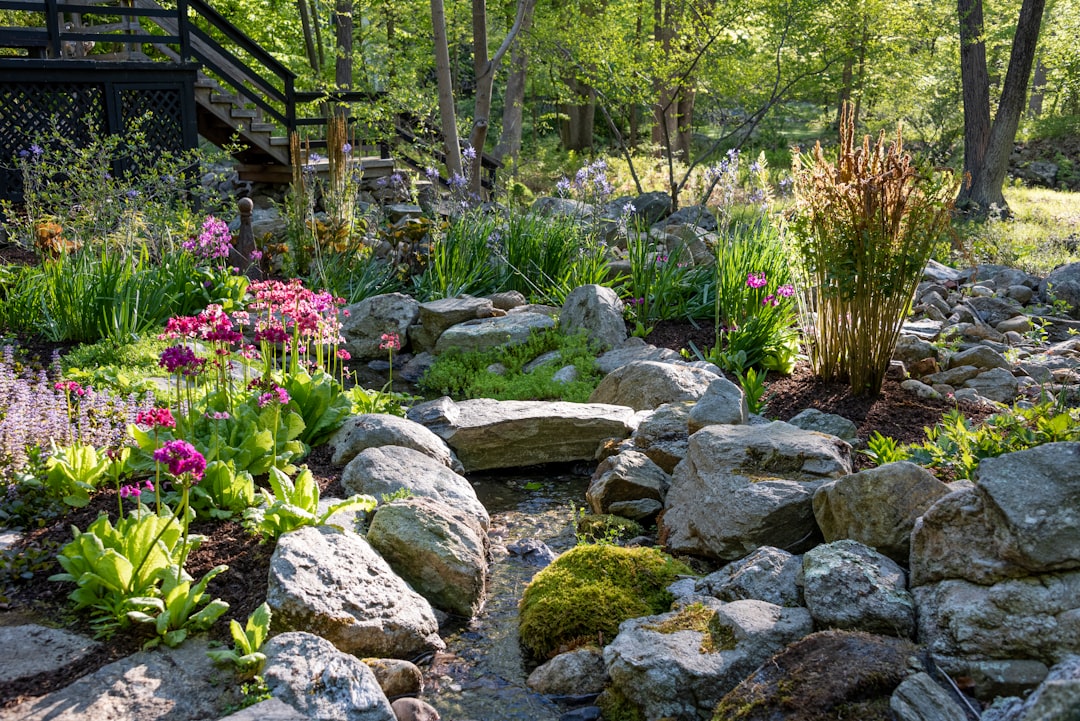
Imagine stepping into your backyard and being greeted by a serene oasis, where the earthy tones of stones blend seamlessly with vibrant bursts of greenery. A well-designed rock garden can transform any outdoor space into a tranquil retreat, offering you a unique way to express your creativity while connecting with nature.
You might be wondering, "How do I start crafting such a masterpiece? " That's exactly what we're here to explore. Creating a rock garden isn't just about arranging stones; it's about curating an experience that captivates the senses. You'll discover how selecting the right rocks and plants can evoke feelings of peace and harmony, making your garden not only visually stunning but emotionally fulfilling.
Dive into this guide and uncover the secrets to designing a rock garden that reflects your personality and style, while also enhancing the aesthetic appeal of your home. As you read on, you'll learn practical tips and insights that will empower you to turn your gardening dreams into reality.
Choosing The Right Location
Designing a rock garden starts with selecting the perfect spot. The right location enhances the beauty and functionality of your garden. A well-chosen place ensures your plants thrive and rocks stand out.
Assess Sunlight Exposure
Sunlight is crucial for plant growth. Observe the area throughout the day. Does it get enough sun? Most rock garden plants need full sun to partial shade. Avoid spots with deep shade.
Check Soil Drainage
Rock gardens need well-drained soil. Test your soil's drainage before starting. Dig a hole and fill it with water. If it drains quickly, the spot is ideal. Slow drainage means poor soil. Consider amending it or choosing another site.
Consider The Surroundings
The surrounding environment impacts your garden's look. Choose a location that complements existing features. Nearby trees, paths, or walls can enhance the design. Avoid cluttered or busy areas. Keep it simple and serene.
Accessibility Matters
Ensure the rock garden is easy to access. You’ll need to water, prune, and maintain it. Choose a spot near a water source. Avoid areas that are too far from your home. Convenience is key for frequent visits.
Think About Visibility
Your rock garden should be visible and admired. Place it where it can be seen from inside your home. A spot near a window or patio is ideal. This ensures you enjoy it year-round.
Selecting Rocks And Materials
Choosing the right rocks and materials is key for a stunning rock garden design. Size, texture, and color create a harmonious balance, enhancing the garden's natural beauty. Local stones blend well with the surroundings, offering a cohesive look.
Selecting rocks and materials is crucial for designing a stunning rock garden. The right choices create harmony and enhance the garden's natural beauty. Rocks serve as the backbone, offering structure and texture. Thoughtfully chosen materials complement these rocks, bringing balance and interest.
Types Of Rocks
Different rocks suit different garden styles. Granite adds durability and elegance. Its speckled appearance offers a unique look. Limestone is softer and lighter. It fits well in warm, sunny gardens. Sandstone provides a rustic charm. Its earthy tones blend naturally with plants. Choose rocks that match your garden's climate and theme.
Complementary Materials
Complementary materials elevate the rock garden's aesthetic. Gravel pathways create a sense of flow. They guide visitors through the garden's beauty. Mulch adds texture and color. It helps retain moisture, benefiting plants. Wood elements, like benches or borders, add warmth. They contrast beautifully with the stone's cool tones. Select materials that enhance the rocks and support plant growth.
Planning The Layout
Designing a rock garden requires thoughtful planning and creativity. The layout is crucial for a harmonious and visually appealing garden. A well-planned layout ensures each element complements the others. It creates a cohesive and relaxing environment. Let's delve into essential aspects of planning the layout.
Creating A Blueprint
Start by sketching a rough blueprint of your garden. This blueprint acts as a guide throughout the process. Consider the size and shape of your space. Note existing features like trees or structures. These elements may influence your design. Decide where larger rocks and plants will go. Ensure balance and symmetry in your layout. A blueprint helps visualize the final result.
Considering Elevation And Flow
Elevation adds dimension to your rock garden. Vary the height of rocks and plants. This creates a natural and dynamic look. Consider the flow of your garden. Paths should guide visitors through the space. Ensure paths are wide enough for easy navigation. Flow maintains a sense of movement and interest. Consider water features for an added touch.
Incorporating Plants
Designing a rock garden offers a blend of nature and art. The choice and arrangement of plants is crucial. Plants can enhance the beauty and balance of the rocks. Selecting the right plants for your rock garden demands thought and planning. They must complement the rocks and thrive in the specific conditions provided by your garden.
Choosing Suitable Plants
Choose plants that thrive in rocky environments. Native plants are a smart choice. They adapt well to local climates. Succulents, alpines, and grasses are popular options. These plants require less water and care. Their varied textures and colors add interest to the garden. Consider the sunlight and shade in your garden. Some plants prefer full sun, while others need shade. Match plants to their ideal conditions for best results.
Arranging Plant Placements
Arrange plants in a natural and pleasing manner. Group plants with similar needs together. This ensures they thrive in their ideal conditions. Place taller plants at the back. Shorter plants go in front. This creates depth and layers. Use contrasting colors and textures for visual appeal. Ensure each plant has enough space to grow. Overcrowding can hinder plant health. Allow room for air and sunlight to reach each plant.
Building The Rock Garden
Designing a rock garden can transform your outdoor space into a natural oasis. Building the rock garden involves strategic planning and thoughtful execution. It requires careful preparation of the ground and precise positioning of rocks and materials. Let's explore how to build a stunning rock garden step by step.
Preparing The Ground
Start by clearing the area of weeds and debris. Ensure the soil is free from roots and stones. Use a rake to level the ground, making it even and smooth. Consider the drainage, as rock gardens thrive in well-drained soil. You may need to add sand or gravel to improve drainage.
Decide on the shape and size of your rock garden. Mark the boundaries with string or chalk. This helps visualize the layout before placing rocks. Aim for a natural appearance that blends with the landscape.
Positioning Rocks And Materials
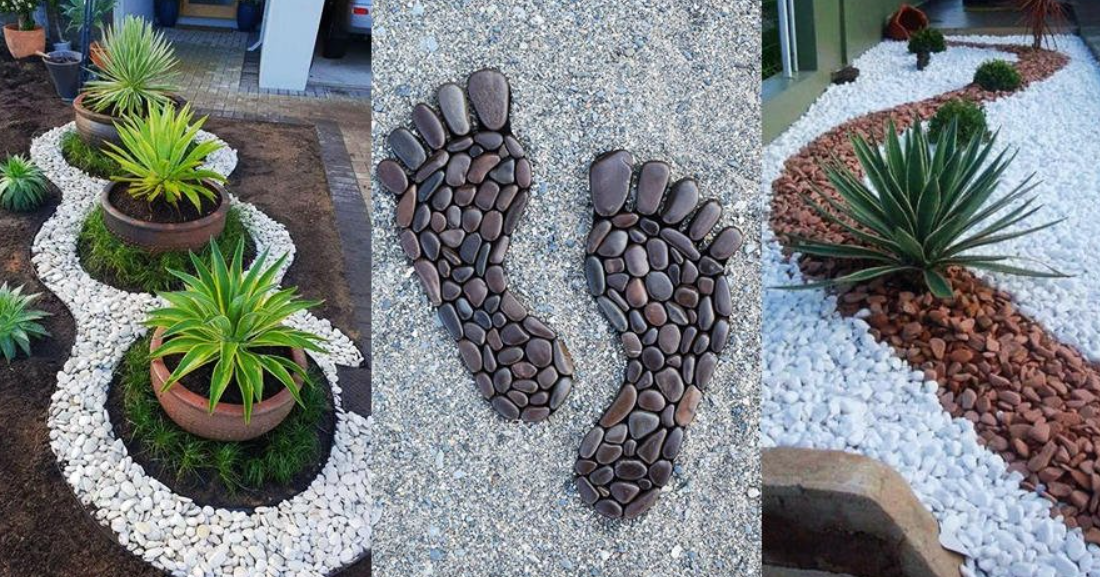
Choose a variety of rocks in different sizes and textures. Start with larger rocks as the base. Position them securely, ensuring they are stable. Arrange the rocks to create levels and depth. This adds visual interest and mimics natural formations.
Fill gaps with smaller stones or gravel. These materials help maintain the structure and enhance aesthetics. Consider incorporating plants that thrive in rocky environments. Succulents, alpine flowers, and drought-resistant plants work well.
Step back and assess the arrangement. Adjust rocks and materials for balance and harmony. The goal is a cohesive design that feels organic and inviting.
Credit: emeraldgardeningservices.com
Maintenance Tips
Creating a stunning rock garden involves careful planning and maintenance. Start by selecting durable rocks and drought-resistant plants. Regularly remove weeds and ensure proper drainage to keep your garden thriving.
Creating a rock garden is not just about arranging stones and plants; it’s also about ensuring its longevity and beauty through proper maintenance. Without regular care, your rock garden could become overgrown or lose its charm. Let's dive into some essential maintenance tips to keep your rock garden looking its best all year round.
Watering And Care
Watering is crucial for your rock garden’s health. The stones can absorb heat, making it essential to monitor moisture levels. You might think less water is needed, but some plants require consistent moisture to thrive. Consider installing a drip irrigation system. It provides precise watering, saving time and water. This is especially useful during dry spells when hand watering becomes tedious. Regularly check your plants for signs of stress. Wilted leaves or discolored stems could indicate a need for adjustments. You want your rock garden to be a thriving ecosystem, not a collection of struggling plants.
Seasonal Adjustments
As seasons change, so do the needs of your rock garden. In spring, remove debris and prune plants to encourage new growth. This sets the stage for a vibrant garden. Summer demands extra attention to watering. The heat can stress plants, so ensure they receive adequate moisture. Adjust your irrigation system accordingly to prevent overwatering. In fall, focus on cleaning and preparing for winter. Consider adding mulch to protect plants from frost. This simple step can make a huge difference in plant survival. Winter requires minimal maintenance but don't neglect it completely. Check for any damage from frost or snow. Ensuring your rock garden is ready for spring will save you time and effort later. Have you ever noticed how a slight change in season can affect your garden’s mood? Paying attention to these subtle shifts can help you anticipate maintenance needs. Your rock garden is a living masterpiece. With a bit of care and attention, it can become a lasting oasis. What adjustments will you make to keep yours thriving?
Enhancing Aesthetic Appeal
Designing a rock garden can transform your outdoor space. It's not only about placing rocks. It's about creating beauty and harmony. A well-designed rock garden captivates with its unique charm. It blends nature's ruggedness with artistic flair. This balance enhances the garden's aesthetic appeal. Strategic elements play a crucial role here.
Adding Decorative Elements
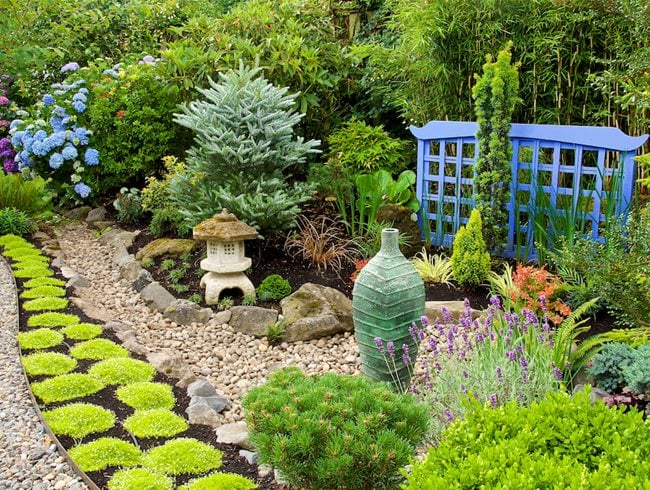
Decorative elements add personality to your rock garden. Consider using sculptures or garden ornaments. These can serve as focal points. Select pieces that complement the natural surroundings. They should enhance the garden's theme. Use pebbles and stones of varied colors. This adds texture and visual interest. Moss and lichens can create a natural look. Place them between rocks for a soft touch.
Lighting Considerations
Lighting transforms your rock garden at night. It highlights key features and creates ambiance. Solar lights are an eco-friendly choice. They require minimal maintenance. Spotlights can focus on particular rocks or plants. Pathway lights ensure safety and guide visitors. Soft lighting enhances the garden's serene atmosphere. Choose warm light for a cozy feel. Experiment with light angles for dramatic effects.
/how-to-build-rock-gardens-2132674-hero-0ca8dc4580c9495c8fea6ed3db29f92f.jpg)
Credit: www.thespruce.com
Credit: www.gardendesign.com
Frequently Asked Questions
What Are The Essential Elements Of A Rock Garden?
A rock garden typically includes rocks, gravel, and drought-resistant plants. Add variety with different rock sizes and textures. Choose plants that thrive in well-drained soil. Consider using native species for better adaptation. Incorporate pathways for easy access and visual interest.
Proper planning ensures a cohesive and appealing design.
How Do I Choose Plants For A Rock Garden?
Select plants that thrive in rocky, well-drained conditions. Opt for drought-resistant varieties like succulents, alpine plants, and ornamental grasses. Consider color, texture, and height for visual harmony. Native plants can be a great choice for low maintenance. Ensure compatibility with local climate and soil conditions.
How Can I Maintain A Rock Garden?
Regularly remove weeds and debris to keep your garden tidy. Trim plants to encourage healthy growth. Check rocks for stability and reposition if needed. Water plants sparingly; most rock garden plants prefer dry conditions. Monitor for pests and diseases, addressing issues promptly to maintain a healthy environment.
Can I Create A Rock Garden In A Small Space?
Yes, small spaces can accommodate rock gardens. Use containers or raised beds for compact designs. Choose small rocks and plants for better proportion. Focus on vertical elements to maximize space. Incorporate miniature versions of larger rock garden plants. Ensure good drainage and sunlight for optimal plant growth.
Conclusion
Creating a rock garden brings nature closer to home. Simple rocks. Beautiful plants. Together, they form a serene space. Designing one is straightforward. Choose the right rocks. Add plants that thrive. Arrange them with care. Every detail matters. The garden should reflect your style.
Keep it natural and inviting. Maintenance is key. Regular care keeps it fresh. Enjoy the beauty year-round. Relax and unwind in your garden. Share it with friends and family. Experience the joy it brings. A rock garden is more than decor.
It's a peaceful retreat. Your own slice of nature.


