
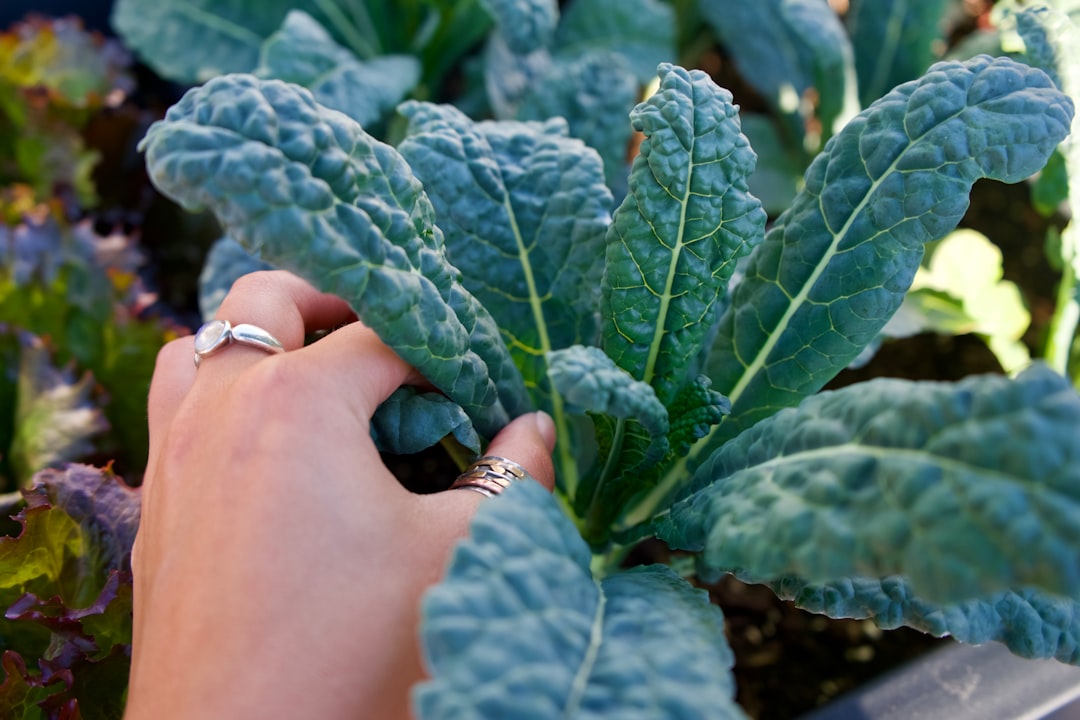
Imagine biting into a fresh, juicy tomato that you've grown yourself. Picture the vibrant greens of lettuce and the crisp snap of cucumbers, all picked from your own backyard.
Planting a vegetable garden can transform this vision into reality, bringing the joy of home-grown produce right to your table. You might think starting a garden is complicated, but it's simpler than you imagine. With just a few tips and tricks, you can cultivate a thriving vegetable garden that rewards you with delicious harvests.
You'll discover straightforward steps to plant your garden, learn which vegetables suit your space, and uncover secrets to keep them flourishing. Ready to dig in? Let's turn your gardening dreams into reality and enjoy the taste of success together.
Planning Your Garden Space
Design a thriving vegetable garden by choosing the right spot with plenty of sunlight. Group your plants according to size and growth needs for optimal yield. Use compost to enrich the soil and start with easy-to-grow vegetables.
Planning your garden space is the cornerstone of a successful vegetable garden. It’s where dreams of fresh tomatoes, crunchy cucumbers, and vibrant bell peppers begin to take shape. By carefully selecting the best location, determining the garden size, and choosing which vegetables to grow, you lay the groundwork for a bountiful harvest. Are you ready to transform that patch of earth into a thriving vegetable haven?
Choosing The Right Location
Selecting the right spot for your garden is crucial. Look for a location that receives at least six to eight hours of sunlight daily. Vegetables love the sun, and too much shade can lead to poor growth. Consider the proximity to a water source. Hauling water across the yard becomes tedious quickly. A nearby hose or rain barrel makes watering less of a chore. Think about accessibility. You’ll be spending a good amount of time tending to your garden, so ensure it's easy to reach. Avoid spots with heavy foot traffic to protect young plants from accidental trampling.
Determining Garden Size
The size of your garden should reflect your available space and time commitment. Start small if you’re a beginner. A 10x10 foot plot is manageable and can yield a surprising amount of produce. If space is limited, consider container gardening. Even a balcony can support pots of tomatoes or herbs. Vertical gardening is another space-saving technique, utilizing trellises or wall-mounted planters. Remember, a bigger garden means more work. Can you handle the weeding, watering, and harvesting that comes with a larger plot? A modest garden can still provide plenty of fresh vegetables without overwhelming you.
Selecting Vegetables To Grow
Choose vegetables that you and your family enjoy eating. There's little point in growing something that will go uneaten. Consider your local climate and growing season. Some vegetables thrive in cooler weather, while others need heat. Research which plants will do well in your area. Think about variety. A mix of leafy greens, root vegetables, and fruiting plants like tomatoes or zucchini can offer balanced harvests throughout the season. Growing a diverse range of crops also reduces pest problems, as different plants attract different insects. Planning your garden space is more than just a practical step—it's an opportunity to dream and design your ideal garden. Which vegetables are calling your name this season?
:strip_icc()/raised-bed-vegetable-garden-flowers-ae7c6810-a1b16206fb2848bab1b58f3e45f335cd.jpg)
Credit: www.bhg.com
Preparing The Soil
Start by loosening the soil to improve water absorption and root growth. Mix in organic compost to enrich the earth, ensuring your vegetable garden thrives with essential nutrients. Regularly check soil pH levels for optimal plant health.
Preparing the soil is the foundation of a successful vegetable garden. It's where your plants will get their nutrients, and healthy soil leads to thriving plants. Have you ever wondered why some gardens flourish while others struggle? Often, the secret lies in the soil. Let's delve into the essential steps to ensure your vegetable garden has the best start possible.
Testing Soil Quality
Knowing your soil's quality is like understanding your garden's DNA. A simple soil test can reveal its pH level and nutrient content. You'll want to know if your soil is too acidic or alkaline. This can impact how well your plants absorb nutrients. You can purchase an affordable soil testing kit from a garden center. Alternatively, send a sample to a local agricultural extension. The results will guide you on what your soil needs. Isn't it fascinating how a little test can unlock secrets to healthier plants?
Amending Soil Nutrients
Once you know your soil's needs, it's time to amend it. Adding nutrients is like feeding your garden a balanced diet. If your test indicates low nitrogen, adding compost or well-rotted manure can help. For phosphorus deficiencies, bone meal or rock phosphate can be beneficial. Think of potassium as the vitamin boost for your plants—wood ash or greensand can help. Have you ever tried using coffee grounds? They're a great nitrogen source and can improve soil structure.
Creating Raised Beds
Raised beds are a game-changer for many gardeners. They offer better drainage and can help warm the soil faster in spring. They also make it easier to control the soil composition. Imagine not having to bend over as much while tending your plants. You can build raised beds using wood, stone, or even recycled materials. Ensure they're at least 6 inches high for optimal root growth. Have you considered the layout of your garden? Raised beds can be arranged to fit your space creatively and efficiently. Preparing the soil is the first step to a thriving vegetable garden. Testing, amending, and creating raised beds will set you on the path to success. Are you ready to dig into these tasks and watch your garden flourish?
Planting Techniques
Planting a vegetable garden starts with choosing the right spot. Ensure it's sunny and has good soil. Next, plan your layout. Include rows for easy access. Use quality seeds or seedlings. Water regularly and keep an eye on pests. Gardening can be fun and rewarding.
Starting a vegetable garden is exciting. Knowing the right planting techniques can make all the difference in your harvest. Let’s delve into three key methods: starting seeds indoors, direct sowing in the garden, and transplanting seedlings. Each approach has its benefits and challenges, so understanding them can help you decide what's best for your garden space.
Starting Seeds Indoors
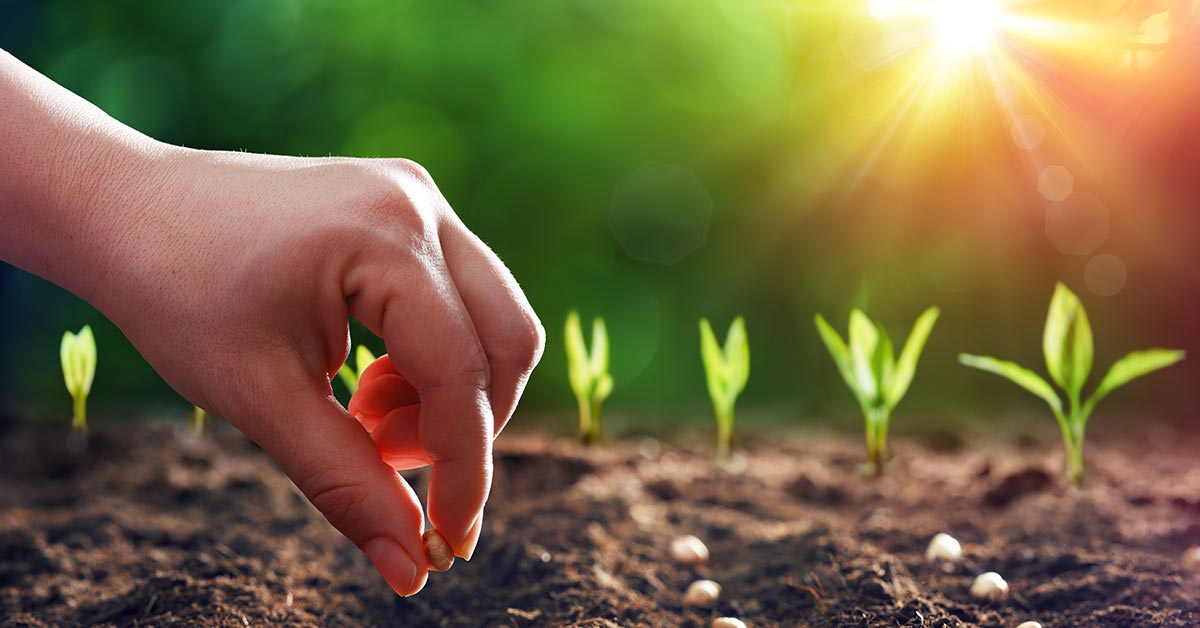
Starting seeds indoors gives you a head start. You can control the environment and grow strong, healthy plants. Choose a sunny windowsill or use grow lights to ensure your seeds get enough light. Use seed trays or small pots with good drainage. Fill them with a seed-starting mix, which is lighter than regular potting soil. Plant seeds according to the package instructions, usually about twice as deep as their size. Keep the soil moist but not waterlogged. A spray bottle is handy for gentle watering. This method allows you to nurture tender plants until they're ready for the outdoors.
Direct Sowing In The Garden
Direct sowing is straightforward and works well for hardy vegetables. It involves planting seeds directly into the soil where they will grow. This method can save you time and effort, as there's no need to transplant seedlings later. Prepare your garden bed by removing weeds and breaking up the soil. Consider adding compost to enrich the soil. Follow seed packet instructions for spacing and depth. Keep an eye on the weather. Plant after the danger of frost has passed. This method allows plants to develop strong root systems right where they'll grow.
Transplanting Seedlings
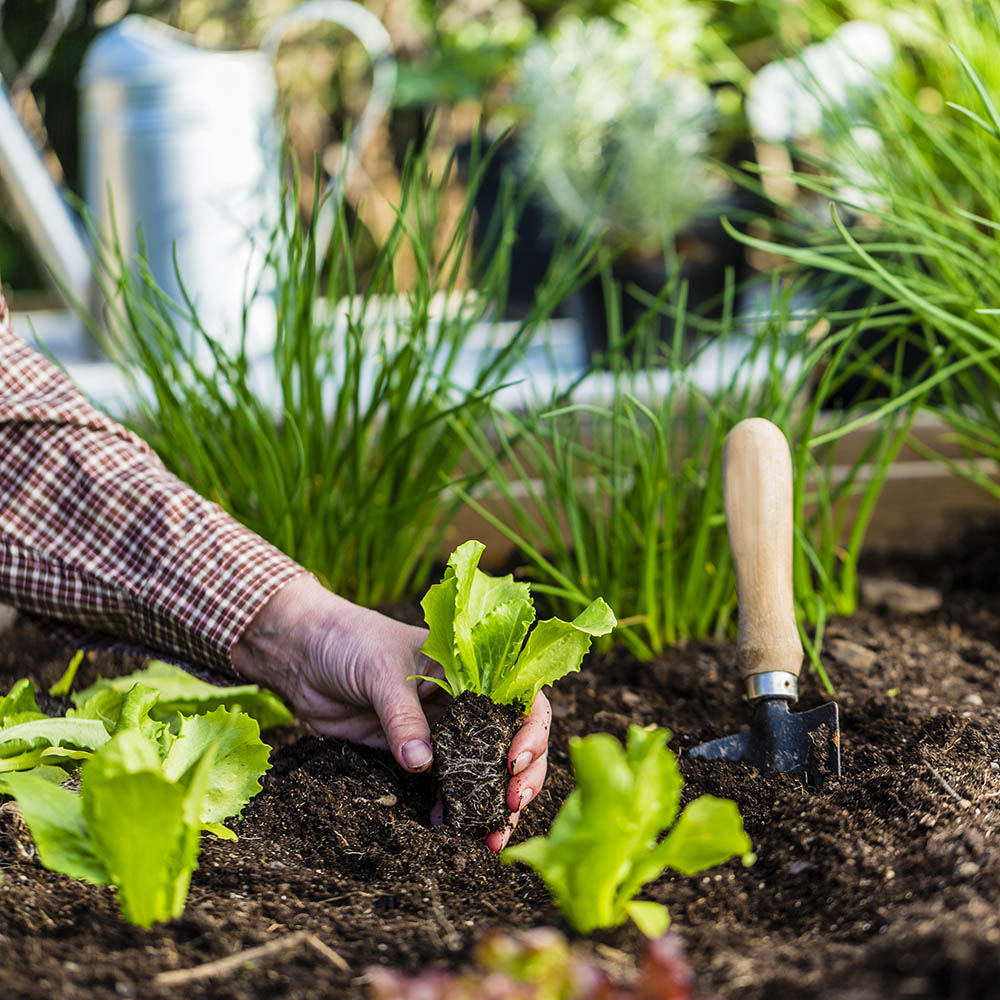
Transplanting seedlings can be a rewarding step in your gardening journey. It allows you to grow plants indoors and then move them outside. This is especially useful for plants that need a longer growing season. Harden off your seedlings before transplanting. This means gradually exposing them to outdoor conditions over a week. It helps them adjust to their new environment. Choose an overcast day or transplant in the evening to avoid stress from the sun. Dig a hole slightly larger than the root ball of your seedling. Gently place the seedling in the hole and fill with soil, pressing down lightly. Water thoroughly after planting. This ensures good contact between the roots and soil. Remember, a bit of initial care can lead to bountiful harvests. Which technique will you try next? Each has its unique advantages and can lead to a successful garden. Consider your space, climate, and the vegetables you wish to grow. Happy planting!
Credit: www.homedepot.com
Watering And Irrigation
Proper watering ensures vegetable plants thrive and produce abundant yields. Adjust irrigation based on plant type and soil conditions. Consistent moisture aids growth and prevents stress.
Watering and irrigation are vital for a thriving vegetable garden. Plants need consistent moisture to grow healthy and strong. Without proper watering, plants may wilt or develop diseases. Understanding how to water your garden effectively ensures your vegetables flourish. Let's explore how to set up a watering schedule, choose the right irrigation systems, and conserve water.
Setting Up A Watering Schedule
A good watering schedule keeps your plants healthy. Start by checking your soil's moisture. Stick your finger about two inches into the soil. If it feels dry, it's time to water. Early morning is the best time for watering. The cool air lets water seep into the soil. Aim for deep watering to reach plant roots. This helps plants grow strong and resist drought.
Choosing Irrigation Systems
Irrigation systems make watering easier. Drip irrigation is a popular choice. It delivers water directly to plant roots. This reduces water waste and keeps leaves dry, preventing disease. Sprinkler systems are another option. They cover large areas and are easy to install. Soaker hoses are flexible and can be placed near plants. Choose a system that fits your garden size and layout.
Conserving Water
Conserving water is crucial for sustainability. Mulch helps retain soil moisture. Spread a layer of mulch around plants. It reduces evaporation and keeps soil cool. Rain barrels collect rainwater for reuse. Place them under gutters to catch water. Be mindful of water usage. Adjust your watering schedule based on weather changes. This reduces waste and helps the environment.
Fertilization Strategies
Creating a thriving vegetable garden begins with effective fertilization strategies. Choose organic or chemical fertilizers based on soil needs. Regularly testing soil ensures plants receive essential nutrients for optimal growth and yield.
Creating a thriving vegetable garden is a rewarding experience. But to transform it from a mere patch of soil into a productive oasis, understanding fertilization strategies is crucial. Fertilizing your vegetable garden correctly ensures that your plants grow healthy and yield bountiful produce. Let's explore how you can achieve this with effective fertilization techniques.
Understanding Plant Nutrient Needs
Every plant has unique nutrient needs. Vegetables like tomatoes and peppers, for example, need more nutrients compared to leafy greens like lettuce. Knowing what your plants require helps you provide the right nutrients. Have you ever noticed your plants looking pale or stunted? It could be a sign of nutrient deficiency. Learning about these signs can save your garden. Use resources like gardening books or websites to familiarize yourself with the nutrient needs of different vegetables.
Using Organic Fertilizers
Organic fertilizers are excellent for your garden. They provide nutrients slowly, improving soil health over time. Plus, they are environmentally friendly. Consider compost as a fantastic organic option. It enriches the soil and improves its structure. You can make your own compost using kitchen scraps and garden waste. Manure is another great organic fertilizer option. Just ensure it's well-aged to avoid burning your plants.
Timing Fertilizer Applications
Timing is everything when it comes to fertilization. Applying fertilizers at the right time ensures your plants get the nutrients they need when they need them most. A good rule of thumb is to fertilize during the growing season. Start by adding a balanced fertilizer when planting. Then, supplement with additional feeding when plants start to fruit or flower. Have you ever considered the weather's impact on fertilization? Rain can wash away nutrients, so avoid fertilizing right before a downpour. Instead, aim for a dry day or after a rain shower when the soil is moist but not waterlogged. What fertilization strategies have worked for you in your garden? Share your experiences and help others grow their best gardens.
Pest And Disease Management
Effective pest and disease management is essential for a thriving vegetable garden. Regularly inspect plants for signs of pests or diseases. Use natural remedies like neem oil to protect your garden. Rotate crops each year to maintain soil health and reduce risks.
Healthy practices ensure a bountiful harvest.
Pests and diseases can quickly ruin a vegetable garden. They affect plant growth and reduce yields. Managing them is crucial for healthy plants. Effective control methods can protect your garden. Understanding common pests and diseases is key. This section provides essential tips for success.
Identifying Common Garden Pests
Recognizing pests early helps in controlling them. Aphids are small, sap-sucking insects. They can be green, black, or brown. Caterpillars chew through leaves, causing visible damage. Slugs and snails leave a slimy trail on plants. Whiteflies are tiny, winged insects found on the undersides of leaves. Spotting these pests early prevents major infestations.
Natural Pest Control Methods
Natural methods keep your garden chemical-free. Use neem oil to repel insects. It disrupts pest growth. Introduce beneficial insects like ladybugs. They eat aphids and other pests. Plant companion flowers such as marigolds. They deter nematodes and attract helpful insects. Hand-picking larger pests can also be effective. Regularly inspect plants for signs of damage.
Preventing Plant Diseases
Preventing diseases starts with healthy soil. Rotate crops to avoid soil-borne diseases. Ensure proper spacing for good air circulation. This reduces the chance of fungal infections. Water plants at the base to keep leaves dry. Wet leaves can lead to fungal growth. Remove diseased plants immediately to stop the spread. Proper hygiene in the garden is essential. `
Harvesting Your Produce
Growing a vegetable garden is a rewarding experience. You nurture plants from seeds to maturity. The final step is harvesting your produce. This step requires careful timing and technique. Proper harvesting ensures the best taste and quality. Learning how to store and preserve vegetables extends their life. Let's explore these aspects in detail.
Knowing When To Harvest
Each vegetable has its ideal harvest time. Tomatoes turn bright red when ripe. Cucumbers are ready when firm and green. Carrots should be pulled when they reach desired size. Checking your garden daily helps in picking at the right time. Use touch and sight to judge readiness. Overripe produce loses flavor and nutrients.
Proper Harvesting Techniques
Use clean, sharp tools to avoid damage. A gentle twist of the tomato stem prevents injury. Cut leafy greens at the base for regrowth. Pull root vegetables gently to avoid breaking. Handle all produce with care. This keeps them fresh longer. Never harvest in wet conditions. This prevents disease spread.
Storing And Preserving Vegetables
Store vegetables in cool, dry places. Use breathable bags for leafy greens. Refrigerate cucumbers and peppers for freshness. Canning extends shelf life for tomatoes and beans. Freezing is ideal for peas and corn. Drying herbs keeps their flavor intact. Always label containers with harvest date. Check stored produce regularly for spoilage.
Credit: www.gardentech.com
Seasonal Gardening Tips
Growing a vegetable garden requires attention to seasonal changes. Start by selecting seeds suited for your climate. Ensure your soil is rich and well-drained, and plant in a sunny spot for best results.
Embarking on the journey of vegetable gardening can be both rewarding and challenging. With each change of season, your garden requires special attention and a few strategic adjustments. By mastering seasonal gardening tips, you can ensure a bountiful harvest throughout the year.
Adjusting To Climate Changes
Climate changes are unpredictable, but your garden can thrive if you stay adaptable. Keep an eye on local weather forecasts and adjust your planting schedule accordingly. If there’s a sudden cold snap, consider using row covers to protect your tender vegetables. Remember last winter when your lettuce crops were unexpectedly hit by frost? Quick thinking and a few old blankets saved them. It's crucial to be prepared for unexpected weather shifts to safeguard your plants.
Year-round Vegetable Choices
Selecting the right vegetables for each season can keep your garden productive year-round. In spring, plant leafy greens like spinach and lettuce. Summer is perfect for tomatoes and peppers, while root vegetables thrive in the cool fall weather. Have you ever tried growing kale in winter? It’s a resilient crop that can withstand cold temperatures and even becomes sweeter after a frost. Consider which vegetables you enjoy most and plan your planting accordingly.
Preparing For Next Season
As one season ends, preparation for the next begins. Clean up dead plants and debris to prevent disease and pests. Test your soil to decide on necessary amendments for optimal growth. Why not use this downtime to build new raised beds or expand your garden? Planning for the future can be as exciting as the harvest itself. What new challenges will you take on next season to enhance your gardening experience?
Frequently Asked Questions
How Do I Start A Vegetable Garden?
To start a vegetable garden, first choose a sunny location. Prepare the soil by removing weeds and adding compost. Select easy-to-grow vegetables like tomatoes, lettuce, and carrots. Plant seeds or seedlings according to their specific instructions. Water regularly and keep an eye on pests.
What Vegetables Are Best For Beginners?
For beginners, consider planting easy-to-grow vegetables like tomatoes, radishes, lettuce, and carrots. These vegetables require minimal maintenance and provide quick results. They are also adaptable to various soil types and climates, making them perfect for novice gardeners. Start with these to gain confidence and experience.
How Often Should I Water My Vegetable Garden?
Water your vegetable garden deeply about two to three times a week. This encourages root growth and ensures the plants receive adequate moisture. However, adjust frequency based on weather and soil type. Avoid overwatering, which can lead to root rot.
Monitor the soil moisture for best results.
What Soil Is Best For Vegetable Gardening?
The best soil for vegetable gardening is loamy soil rich in organic matter. It should have good drainage and retain moisture well. Amend your soil with compost or well-rotted manure to improve its fertility and structure. Test your soil's pH and adjust it to suit the specific needs of your vegetables.
Conclusion
Starting your vegetable garden is a rewarding journey. Plants need sunlight, water, and care. Watching them grow brings joy. Fresh vegetables taste better. Gardening can be relaxing and fun. You learn while you grow. Start with easy plants like tomatoes or lettuce.
They need little care. Gardening helps the planet too. Less waste, more green. It's a simple way to eat healthier. And it saves money. Enjoy the process and the harvest. Share with friends and family. Your garden will grow with you.
Happy gardening!


