Imagine this: it's a sunny day, perfect for watering your plants, washing the car, or filling up that inflatable pool. But there's one problem - you only have an indoor faucet to work with.
Connecting a garden hose to your indoor faucet might seem like a daunting task, but it's easier than you think. In this guide, we'll show you how to bridge the gap between your indoor water supply and your outdoor needs, turning the impossible into simple, everyday convenience.
You'll discover how to do it quickly, efficiently, and without any mess. So, let's dive in and make sure you're equipped with the right tools and know-how to transform your indoor faucet into a versatile water source. Your garden and outdoor activities will thank you!
Tools And Materials Needed
Connecting a garden hose to an indoor faucet can be a practical solution for various indoor watering needs. Whether you're nurturing indoor plants or simply washing your pet, this setup can be quite handy. To ensure a smooth and hassle-free connection, you must gather the right tools and materials. This section outlines everything you'll need, making the process straightforward and efficient.
Tools Needed
A wrench is essential for tightening connections. It helps secure the adapter to the faucet. You might also need pliers for a tighter grip. This tool is useful if your faucet is difficult to reach. For cleaning around the faucet, a cloth or rag is handy. It ensures a clean surface for a tight fit.
Materials Needed
Start with a faucet adapter. This piece connects the hose to the faucet. Ensure it matches your faucet's size. A garden hose is obviously crucial. Choose one that fits the adapter snugly. Rubber washers are important. They prevent leaks at the connection points. Teflon tape is useful for sealing threads. It helps avoid any water leakage.
Optional Supplies
A bucket can be helpful. Use it to catch any spills during setup. A towel nearby can quickly clean any water mess. A hose nozzle can adjust water flow. It's optional but can enhance control.
Credit: www.youtube.com
Choosing The Right Adapter
Choosing the right adapter is crucial for connecting a garden hose to an indoor faucet. The correct adapter ensures a secure fit and prevents leaks. Understanding the different types and selecting the appropriate one based on your faucet type can simplify the process.
Types Of Adapters
Several adapter types are available for various faucet designs. Threaded adapters are common and fit faucets with external threads. Quick-connect adapters allow easy attachment and detachment. Universal adapters offer flexibility by fitting multiple faucet styles. Each type serves a specific purpose, so consider your needs before purchasing.
Selecting Based On Faucet Type
Faucet type plays a significant role in adapter selection. Check if your faucet has external or internal threads. For external threads, threaded adapters are a perfect match. Internal threads require different fittings, like dual-thread adapters. For faucets without threads, clamp adapters are ideal. Knowing your faucet type aids in choosing the right adapter efficiently.
Preparing The Faucet
Connecting a garden hose to an indoor faucet simplifies watering tasks. Begin by unscrewing the faucet's aerator. Attach a hose adapter tightly, ensuring no leaks. Securely connect the garden hose to the adapter for efficient indoor-to-outdoor water flow.
Connecting a garden hose to your indoor faucet might seem like a daunting task, but with a few simple steps, you can make it a breeze. The first crucial step in this process is preparing the faucet. Ensuring that your faucet is ready not only makes the connection easier but also helps prevent any leaks or damages. Let's dive into the essential steps you need to take to prepare your faucet for this task.
Cleaning The Faucet Threads
Start by inspecting the faucet threads closely. Dust and grime can accumulate over time, leading to a poor connection between your faucet and the garden hose adapter. Use a small brush or an old toothbrush to gently scrub the threads. Warm water and a bit of dish soap can work wonders in removing stubborn dirt. Once cleaned, dry the threads thoroughly with a towel. This prevents any moisture from interfering with the adapter connection. Have you ever tried connecting something only to find it just wouldn't fit? Often, the culprit is dirt or debris stuck in the threads. Ensuring clean threads can save you from unnecessary frustration.
Removing The Aerator
Most indoor faucets come with an aerator attached to the end of the spout. This aerator needs to be removed before you can attach the garden hose adapter. Gently twist the aerator counterclockwise. If it feels stuck, use pliers but wrap the aerator with a cloth to prevent scratches. Once removed, keep the aerator in a safe place. You'll need it again once you're done watering your plants or filling your garden pool. Have you noticed how removing small components often feels like a delicate operation? It's all about patience and the right tools. Taking your time here ensures you don't damage your faucet or lose any parts. Preparing your faucet properly may seem like a small step, but it's crucial for a successful hose connection. Have you ever skipped a step in a task and regretted it later? This is one of those steps that makes all the difference. Take the time to do it right, and your garden hose connection will be smooth and hassle-free.
Credit: www.youtube.com
Attaching The Hose Adapter
Attaching a hose adapter allows easy connection of a garden hose to an indoor faucet. Simply fit the adapter onto the faucet, ensuring it is secure. This setup is perfect for indoor watering tasks, offering convenience without outdoor access.
Connecting a garden hose to an indoor faucet can be a simple and practical solution for watering your indoor plants or filling up a large container. But before you start, you'll need to know how to attach the hose adapter correctly. This step is crucial to ensure a smooth water flow and prevent any leaks. Let's dive into the process of attaching the hose adapter to your indoor faucet with ease and efficiency.
Securing The Adapter
Begin by choosing the right adapter for your faucet. Measure the diameter of your faucet's spout to ensure compatibility. Most indoor faucets are either 15/16 inches or 55/64 inches. Look for an adapter that matches these dimensions. Once you have the right adapter, remove the faucet's aerator by twisting it counterclockwise. You may need a wrench or pliers for a stubborn aerator. Be sure to keep the aerator in a safe place for reinstallation later. Attach the hose adapter by screwing it onto the faucet's spout. Make sure it’s snug but avoid overtightening, which can damage the threads or the faucet itself. A gentle yet firm hand is all you need.
Ensuring A Tight Fit
A tight fit is vital to prevent leaks. Check for any rubber washers inside the adapter. These washers create a seal that prevents water from escaping. If your adapter doesn’t have a washer, you can purchase one from a hardware store. After attaching the adapter, test the connection by turning on the faucet slowly. Watch closely for any drips or leaks around the connection point. If you notice any, tighten the adapter slightly more until the leak stops. Sometimes, despite your best efforts, a small leak may persist. In such cases, consider using plumber’s tape. Wrap the tape around the threads of the faucet before reattaching the adapter. This extra step often seals any minor gaps and secures the connection. Have you ever struggled with a leaky hose connection? What did you do to resolve it? Ensuring a tight fit can save you from unexpected water messes and make your indoor watering tasks hassle-free.
Connecting The Garden Hose
Connecting a garden hose to an indoor faucet is straightforward. Begin by selecting a suitable adapter that fits both the faucet and hose. Securely attach the adapter to the faucet, then connect the hose. Ensure tight connections to prevent leaks.
Connecting a garden hose to an indoor faucet might sound like a daunting task, but it’s actually quite straightforward. Whether you want to water your plants or fill an inflatable pool, this handy solution can save you time and effort. Have you ever found yourself lugging heavy buckets of water outside, wondering if there’s an easier way? Well, there is! Let’s dive into the simple steps that will have you connecting your garden hose to your indoor faucet with ease.
Screwing The Hose To The Adapter
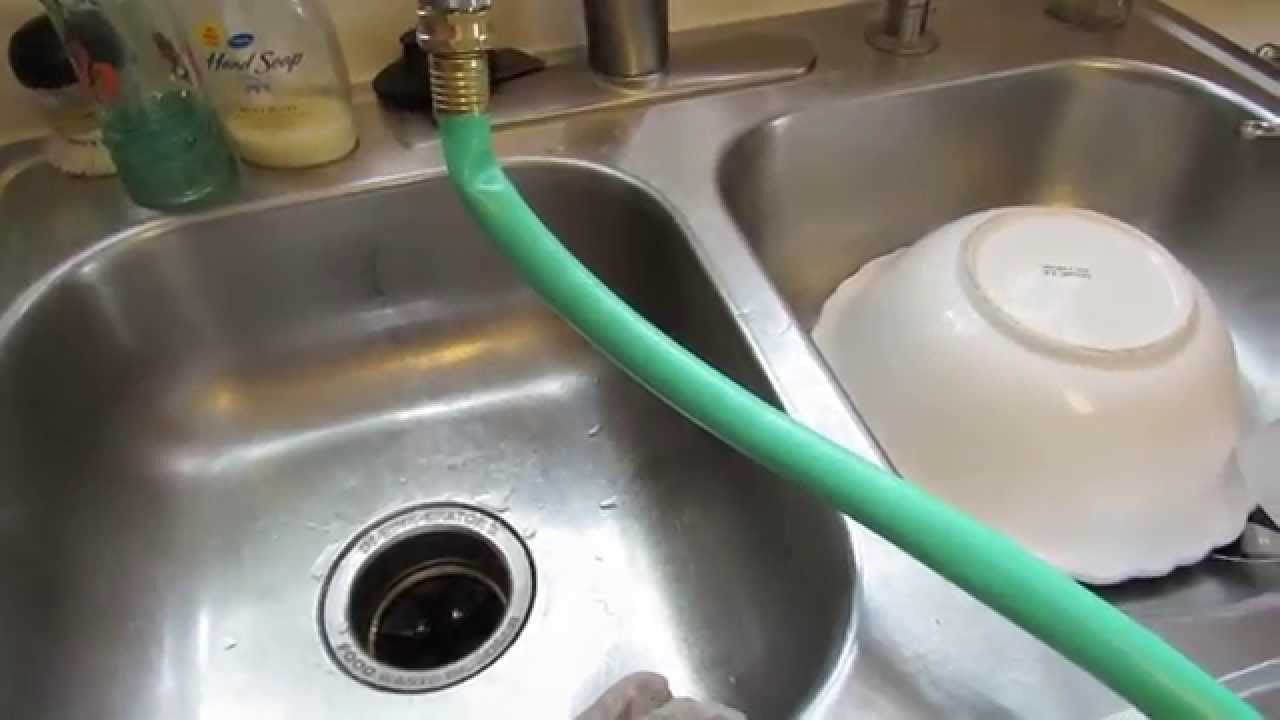
Before you start, make sure you have the right adapter for your faucet. These adapters are available at most hardware stores and come in different sizes. Once you have the correct one, attach it to your faucet by screwing it on tightly. This step is crucial; a loose connection can lead to frustrating leaks. Now, take your garden hose and screw it onto the adapter. Ensure the connection is secure but avoid overtightening, as it might damage the threads. If you’ve ever experienced the frustration of a leaking hose, you’ll understand why getting this part right matters.
Testing The Connection
Once everything is connected, it’s time to test the setup. Slowly turn on the faucet and check for leaks at the joints. If you see any water escaping, tighten the connections slightly. Observe the water flow through the hose. Is it strong and steady? If so, congratulations—you’ve successfully connected your garden hose to your indoor faucet. If not, don’t worry. Troubleshoot any issues by checking the adapter and hose connections again. Have you ever faced an unexpected challenge while working on a home project? Sometimes, a little patience and a few adjustments can make all the difference. Now, your garden hose is ready to tackle all your watering needs, right from the comfort of your indoor faucet.

Credit: www.amazon.com
Troubleshooting Common Issues
Connecting a garden hose to an indoor faucet is convenient. But, it can come with challenges. Common problems include leaks, drips, and adapter issues. Understanding these problems helps ensure a smooth setup. Let’s address some of these issues.
Leaks And Drips
Leaks are frustrating. They waste water and cause mess. First, check if the hose is tightly attached. A loose connection is a common cause. Use pliers to secure it. Avoid over-tightening as it may damage the faucet. Inspect the rubber washer inside the adapter. It should be intact and in place. Replace it if worn out. Also, ensure the hose is not damaged. Small cracks can cause leaks. Regularly check the hose for signs of wear.
Adapter Compatibility Problems
Adapter issues can hinder the connection process. Ensure the adapter matches your faucet type. Faucets vary in size and design. Verify the thread size before purchasing an adapter. Wrong size leads to poor fit and leaks. Some adapters come with multiple thread options. These can be more versatile. Test the adapter by connecting it to the faucet. It should fit snugly without forcing. If it’s too tight or loose, it’s the wrong size.
Maintaining The Connection
Connecting a garden hose to an indoor faucet is simple with a few tools. Use a faucet adapter to ensure a snug fit. Secure the hose tightly to prevent leaks, allowing easy indoor watering.
Maintaining the connection between your garden hose and indoor faucet is crucial for a seamless watering experience. Imagine the frustration of a leaky connection just when you're about to water your plants. Avoid these mishaps by keeping the connection in top shape. Here’s how you can ensure it stays secure and efficient.
Regular Checks
Make it a habit to inspect the connection every time you use your hose. Look for leaks, drips, or any unusual wear and tear. A simple check can prevent bigger issues down the line. Tighten any loose parts to ensure a snug fit. You'd be surprised how often connections loosen just from daily use. Consider the material of your connectors. Plastic ones may deteriorate faster than metal, so keep an eye out for cracks or breakages.
Replacing Worn Parts
Over time, parts of your connection may need replacing. Don’t wait until it's too late. If you notice any worn washers or connectors, replace them immediately. You can find replacement parts at your local hardware store. It’s a small investment to save you from future headaches. Have you ever wondered why your hose connection suddenly leaks after months of perfect use? Often, it’s the tiny washers inside the connectors that need replacing. Keep spare parts handy for quick fixes. Maintaining your garden hose connection can be simple yet effective with these steps. Regular checks and timely replacements are key. What strategies do you use to keep your connections leak-free? Let us know in the comments!
Frequently Asked Questions
How Do I Connect A Garden Hose To An Indoor Faucet?
To connect a garden hose to an indoor faucet, use a faucet adapter. First, unscrew the aerator from the faucet. Then, attach the adapter to the faucet. Finally, connect the garden hose to the adapter. Ensure all connections are tight to prevent leaks.
Can Any Indoor Faucet Be Used For Garden Hoses?
Not all indoor faucets can be used for garden hoses. Ensure your faucet has removable aerators. Most kitchen and bathroom faucets are compatible. Check for standard threading to ensure a proper fit. Using adapters can help bridge different faucet types to garden hoses.
What Adapter Do I Need For My Faucet?
You'll need a faucet adapter compatible with your faucet's threading. Most faucets have standard threading, but check before purchasing. Universal adapters can fit multiple faucet types. They allow easy connection between the faucet and garden hose. Always choose durable materials like brass or stainless steel.
Is It Safe To Use Indoor Water For Gardening?
Yes, it is safe to use indoor water for gardening. Indoor water is generally clean and treated. However, avoid using hot water as it can harm plants. Ensure the water temperature is suitable for outdoor use. Monitor water usage to avoid overwatering your garden.
Conclusion
Connecting a garden hose to an indoor faucet is simple. First, gather the necessary tools. Next, attach the adapter to the faucet. Then, connect the garden hose to the adapter. Ensure everything is tight to avoid leaks. Test by turning on the water gently.
Check for any drips or leaks. Adjust if needed. This setup is perfect for indoor gardening or cleaning tasks. It offers convenience and flexibility. Enjoy the ease of watering plants indoors. Your plants will thank you!