

Imagine a space in your home that bursts with life, color, and a sense of tranquility. This could be your reality with an indoor garden.
You might think gardening is strictly for the outdoors, but that's not the case. With a few simple steps, you can transform any corner of your home into a lush, green oasis. Curious about how to bring nature inside without the hassle of a full-blown outdoor garden?
This guide will show you the secrets to starting and maintaining your very own indoor garden. From selecting the right plants to understanding light and water needs, you'll discover how easy it is to cultivate a vibrant indoor space that not only looks beautiful but also boosts your mood and well-being. Ready to turn your home into a green haven? Let's dive in and uncover the magic of indoor gardening!

Credit: theprovidentprepper.org
Choosing The Right Space
Creating an indoor garden is a rewarding experience. Choosing the right space is crucial. It affects plant growth and overall garden success. Selecting an ideal spot requires thoughtful evaluation. Consider light, temperature, and available space. These factors will guide you to the perfect location.
Assessing Light Conditions
Light is essential for plants. Some need direct sunlight, others thrive in shade. Observe how light moves through your home. Identify areas with natural light. Windows facing south are ideal for sun-loving plants. North-facing windows suit low-light plants. Use artificial lighting where natural light is scarce. LED grow lights are energy-efficient and effective.
Temperature And Humidity Considerations
Temperature impacts plant health. Most plants prefer stable temperatures. Avoid placing them near heaters or air conditioners. Drafty spots can cause stress. Maintain consistent humidity levels. Use a humidifier if air is dry. Moisture-loving plants benefit from increased humidity.
Space Optimization Techniques
Maximize your indoor garden with smart planning. Consider vertical gardening. Use shelves or hanging pots to save floor space. Corner spaces are perfect for larger plants. Group plants with similar needs together. This simplifies care and creates a visually appealing arrangement. Utilize window sills or tabletops creatively. Every inch counts in a compact garden.
Selecting Suitable Plants
Creating an indoor garden brings nature into your home. Selecting suitable plants is crucial for success. Consider light levels, maintenance, and even edible options. This guide helps you choose wisely.
Low-light Plant Options
Not all homes have bright sunlight. Some plants thrive in low light. Snake plants and pothos are great choices. They need little light and are easy to care for. Ferns also do well in dim spaces. These plants are perfect for darker rooms.
High-maintenance Vs. Low-maintenance
Decide how much time you have for your garden. High-maintenance plants need regular care. Orchids and fiddle-leaf figs are examples. They require specific conditions and frequent attention. Low-maintenance plants are easier. Succulents and cacti need less water. They are ideal for busy lifestyles.
Edible Plants For Indoors
Grow food indoors for a fresh supply. Herbs like basil, mint, and parsley flourish inside. They need moderate light and regular watering. You can also grow small vegetables. Cherry tomatoes and peppers are good options. Edible plants bring flavor and beauty to your space.
Essential Gardening Tools
Having an indoor garden is a rewarding endeavor. It brings nature indoors and enhances your living space. To nurture your plants effectively, you need the right tools. Essential gardening tools simplify the process, making it enjoyable and efficient. Let's delve into the must-have and advanced tools for an indoor garden.
Must-have Tools For Beginners
Beginners need simple tools to start their indoor garden. A small trowel helps with planting seeds and seedlings. It is easy to handle and perfect for small pots. Pruning shears are essential for trimming leaves and stems. They keep plants healthy and encourage growth. A watering can with a narrow spout ensures precise watering. It prevents overwatering and keeps the soil moist.
Containers are crucial for an indoor garden. Choose pots with drainage holes to avoid waterlogging. A hand fork is useful for loosening soil and removing weeds. It is small and fits perfectly in indoor spaces. A spray bottle is handy for misting plants. It helps maintain humidity, especially for tropical plants.
Advanced Tools For Enthusiasts
Enthusiasts often seek advanced tools for better care. A soil moisture meter provides accurate readings of soil moisture levels. It helps prevent overwatering, which is a common issue. Grow lights are vital for plants with high light needs. They replicate sunlight and ensure healthy growth.
Plant stands and shelves maximize space and improve aesthetics. They allow you to arrange plants at different heights. A digital thermometer and hygrometer monitor temperature and humidity. These factors are crucial for plant health. A high-quality potting mix ensures nutrient-rich soil. It supports robust plant growth.
Advanced tools like a pH meter are useful too. They test soil acidity, ensuring optimal conditions for plants. With these tools, enthusiasts can maintain a thriving indoor garden.

Credit: theprovidentprepper.org
Soil And Potting Mix
Having an indoor garden brings nature into your home. It’s a soothing hobby. The right soil and potting mix are essential for plant health. These elements provide nutrients and support plant growth. Understanding the basics of soil and potting mix can enhance your indoor gardening success.
Choosing The Right Soil
Not all soils are created equal. Some plants need specific soil types. Cacti prefer sandy soils. Orchids thrive in bark-based mixes. Research your plants’ needs. Choose soil that matches those requirements. Look for well-draining soil. It prevents root rot. Check the soil pH. It affects nutrient absorption. Balanced pH promotes healthy growth.
Diy Potting Mix Recipes
Creating your own potting mix saves money. It allows customization for your plants. For general houseplants, mix equal parts peat moss, vermiculite, and perlite. This blend provides good drainage. Add compost for extra nutrients. For succulents, combine three parts sand, two parts potting soil, and one part perlite. This mix offers excellent drainage. Orchids need a different blend. Use bark chips, charcoal, and sphagnum moss. This combination supports air circulation. Experiment to find what works best.
Watering Techniques
Watering your indoor garden might seem straightforward, but it's a skill that can make or break your plant's health. Indoor plants are more sensitive to watering than their outdoor counterparts. It's essential to strike a balance, ensuring your plants neither dry out nor drown. Let's dive into some effective watering techniques to keep your indoor garden thriving.
Signs Of Overwatering
Overwatering is one of the most common mistakes indoor gardeners make. Have you noticed yellowing leaves or a wilting plant despite regular watering? These are telltale signs of too much water. Another indicator is soggy soil that stays wet for days.
It's crucial to remember that roots need oxygen. Excess water can suffocate them, leading to root rot. If you find a musty odor or moldy soil, it's time to adjust your watering habits. Observing your plants closely will help you catch these symptoms early.
Efficient Watering Methods
Watering efficiently means understanding your plant's needs. Start by checking the soil moisture with your finger. If the top inch is dry, it's time to water. Use pots with drainage holes to prevent water from pooling at the bottom.
Consider investing in a moisture meter for precise readings. You can also try bottom watering by placing pots in a tray of water for 30 minutes. This encourages roots to grow downward, promoting healthy development. How often do you water your plants? Adjust your schedule based on the season and plant type.
Group plants with similar watering needs together. This makes it easier to manage and reduces the chance of overwatering. Keep a journal to track each plant's response to your watering routine. This will help you refine your techniques over time.
Watering your indoor garden is an art as much as a science. Embrace the learning process, and soon you'll find your rhythm. What's your biggest challenge with watering? Share your experiences in the comments below!
Credit: yardyum.com
Fertilization Strategies
Indoor gardening is a rewarding hobby. Proper fertilization is key to thriving plants. Fertilizers provide essential nutrients, ensuring healthy growth. Understanding different fertilization strategies is crucial for indoor gardens. Let's explore both natural and synthetic options for fertilizing your indoor garden.
Natural Fertilizers
Natural fertilizers come from organic sources. They enrich soil with essential nutrients. Compost is a popular choice. It improves soil structure and boosts nutrient content. Another option is worm castings. These enhance soil fertility naturally. Fish emulsion is also effective. It provides nitrogen, promoting lush growth. Bone meal can be used for phosphorus. This aids root development. Natural fertilizers are eco-friendly. They support sustainable gardening practices.
Synthetic Options
Synthetic fertilizers are man-made. They deliver nutrients quickly. These are usually in liquid or granular forms. Granular fertilizers are slow-release. They provide steady nutrition over time. Liquid fertilizers act fast. They are ideal for immediate nutrient needs. Synthetic options are precise. They allow control over nutrient ratios. This ensures optimal plant growth. Use synthetic fertilizers carefully. Follow instructions to avoid over-fertilization.
Dealing With Pests
Indoor gardening can be enjoyable, but pests can be a challenge. Keep plants healthy to prevent infestations. Regularly check leaves for signs of bugs and remove them promptly. Natural remedies like neem oil can help manage pests without chemicals.
If you've ever tried to maintain an indoor garden, you know that pests can be a real challenge. These tiny invaders can quickly turn your lush green paradise into a battlefield. But don't worry, you can keep your indoor garden thriving with the right strategies.
Common Indoor Pests
Indoor gardens are not immune to pests. You might find aphids, spider mites, or fungus gnats making themselves at home. Aphids love to suck the sap from your plants, causing leaves to yellow and wilt. Spider mites are small but leave a noticeable webbing on your plants. Fungus gnats, on the other hand, are more interested in your soil and can harm plant roots. Recognizing these pests early can save your plants from further damage. Keep an eye out for signs like discolored leaves or tiny webs. Regular inspection can be your best defense.
Natural Pest Control Solutions
You don't need harsh chemicals to deal with these pests. Simple, natural solutions can be just as effective. Neem oil is a popular choice. It disrupts the life cycle of pests without harming your plants. You can mix a small amount with water and spray it on your plants. Another great option is introducing beneficial insects like ladybugs. They naturally prey on pests like aphids. You might find this surprising, but having a few extra bugs around can help your garden thrive. You might also consider making a homemade soap spray. Mix a few drops of dish soap with water and spray it on affected plants. This suffocates the pests without damaging your garden. What pest control strategies have you tried in your indoor garden? Sometimes, sharing your experiences can provide valuable insights to others facing the same challenges.
Design And Aesthetics
Transform your space with an indoor garden that enhances design and aesthetics. Choose pots that complement your interior style, and utilize vertical space creatively to maximize greenery. Select varied plant types for visual interest, creating a tranquil and inviting atmosphere.
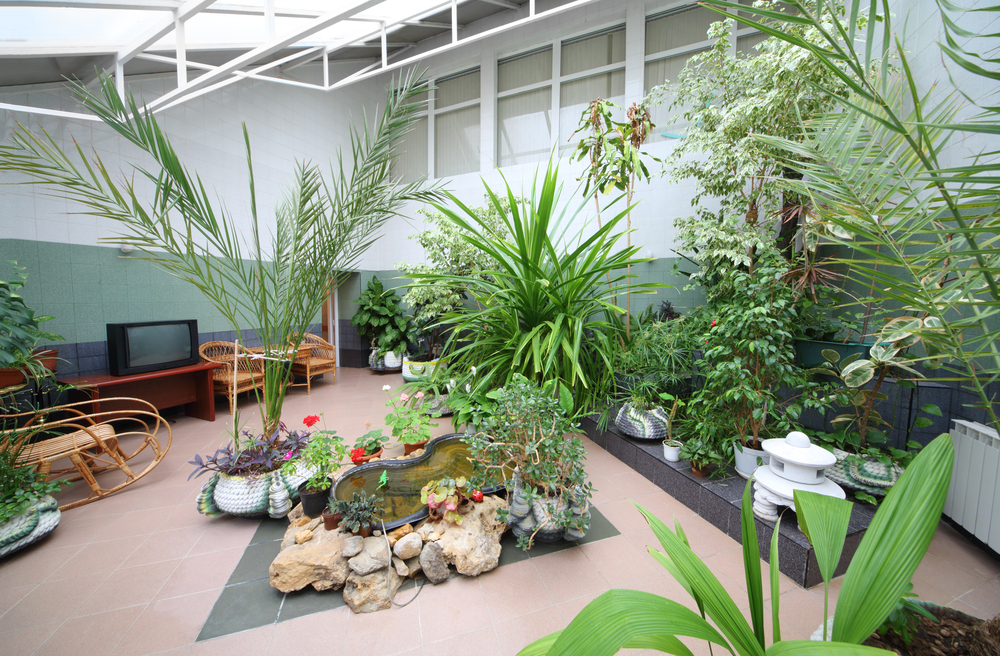
Designing an indoor garden is more than just placing plants in your home. It's about creating a space that blends nature with your personal style. You want your indoor garden to not only thrive but also enhance the aesthetics of your living area.
Arranging Plants For Visual Appeal
When arranging plants, consider height and symmetry. Taller plants at the back with shorter ones in front can create a layered effect. Imagine your space as a canvas, where each plant is a brushstroke. Mix different leaf shapes and colors for contrast. A tall snake plant next to a bushy pothos can catch the eye. This contrast adds depth and dimension to your setup. Move your plants around until you find a layout that feels right. Sometimes, what works in theory doesn't work in practice. Trust your instincts and adjust as needed.
Incorporating Decorative Elements
Add decorative pots to give your indoor garden a stylish touch. Choose pots that complement your home's color scheme. This small change can make a big impact. Consider using shelves or stands to elevate your plants. This not only saves space but also creates visual interest. Varying heights can make your garden more dynamic. Think about adding non-plant elements like stones or small sculptures. These can serve as focal points and enhance the overall look. It's about balancing nature with art. How does your indoor garden make you feel? Your space should bring joy and relaxation. If it doesn’t, tweak the design until it does. By focusing on design and aesthetics, you can transform a simple indoor garden into a personal sanctuary. Your creativity is the only limit. So, what will you design today?
Seasonal Care
Creating an indoor garden requires understanding your plant's needs. Start with selecting suitable plants for indoor environments. Focus on light, water, and temperature to ensure their healthy growth.
Having an indoor garden can be a rewarding experience, especially when you provide the right care throughout the year. Seasonal care is essential to ensure your plants thrive, regardless of the weather outside. Adjusting your care routines based on the season can make a significant difference in the health and growth of your indoor garden. Let's explore how you can modify your plant care for both winter and summer.
Adjusting Care For Winter
Winter can be challenging for indoor plants due to lower light levels and cooler temperatures. It's crucial to adjust your plant's location to maximize sunlight exposure. Consider placing your plants near south-facing windows, as they receive the most sunlight during winter. Watering needs change during winter. Plants generally require less water as their growth slows down. Check the soil moisture before watering and avoid overwatering to prevent root rot. Humidity levels drop in winter due to indoor heating. You can increase humidity around your plants by using a humidifier or placing a tray of water near the plants. Another trick is to group plants together to create a microenvironment with higher humidity.
Summer Maintenance Tips
Summer brings abundant light and warmth, which can boost your plants' growth. However, this also means they might need more water. Check the soil more frequently, and water when the top inch feels dry. Direct sunlight can scorch some plants. If you notice leaf burn, move your plants a few feet away from windows or provide sheer curtains to diffuse the light. Summer is an ideal time for feeding your plants. Use a balanced fertilizer every few weeks to support their growth. Be mindful not to over-fertilize, as this can harm the plants. Have you ever noticed how some plants seem to flourish in summer while others struggle? Observing these patterns can help you adjust your care routine more effectively. What seasonal changes have you noticed in your indoor garden? Adjusting care routines can transform your indoor garden into a thriving oasis all year round.
Frequently Asked Questions
What Plants Are Best For An Indoor Garden?
Choose plants like pothos, snake plant, or peace lily. These are low-maintenance and thrive indoors. Succulents are also a great choice for beginners. Ensure your chosen plants suit your home's light conditions. This makes them easier to care for and allows them to flourish.
How Much Sunlight Do Indoor Plants Need?
Most indoor plants need indirect light for 6-8 hours daily. Some plants, like succulents, need bright, direct sunlight. Others, like ferns, prefer low light conditions. Always research the specific light needs of your chosen plants. This ensures they receive the right amount of light to grow.
How Often Should I Water My Indoor Plants?
Water needs vary by plant type and environment. Generally, water when the top inch of soil is dry. Overwatering is a common issue, so ensure pots have drainage holes. Adjust watering frequency based on season and plant type. This helps prevent root rot and promotes healthy growth.
What Soil Is Ideal For Indoor Gardening?
Use a well-draining potting mix for indoor plants. Cactus mix is ideal for succulents, while African violets need specialized soil. Regular garden soil is too dense for pots. A good potting mix helps retain moisture and provides nutrients. This supports healthy root development and plant growth.
Conclusion
Indoor gardening brings nature inside. It offers peace and beauty. Start small with easy plants. Choose pots that match your home. Water and light are key for growth. Watch your plants thrive and change. This hobby improves your mood. It connects you to nature.
Anyone can create a garden indoors. Feel proud of your green space. Relax and enjoy your indoor oasis. Gardening is a rewarding journey. Explore new plants and techniques. Grow your passion with each leaf. Indoor gardens make homes lively and fresh.
Embrace this simple pleasure today.


