
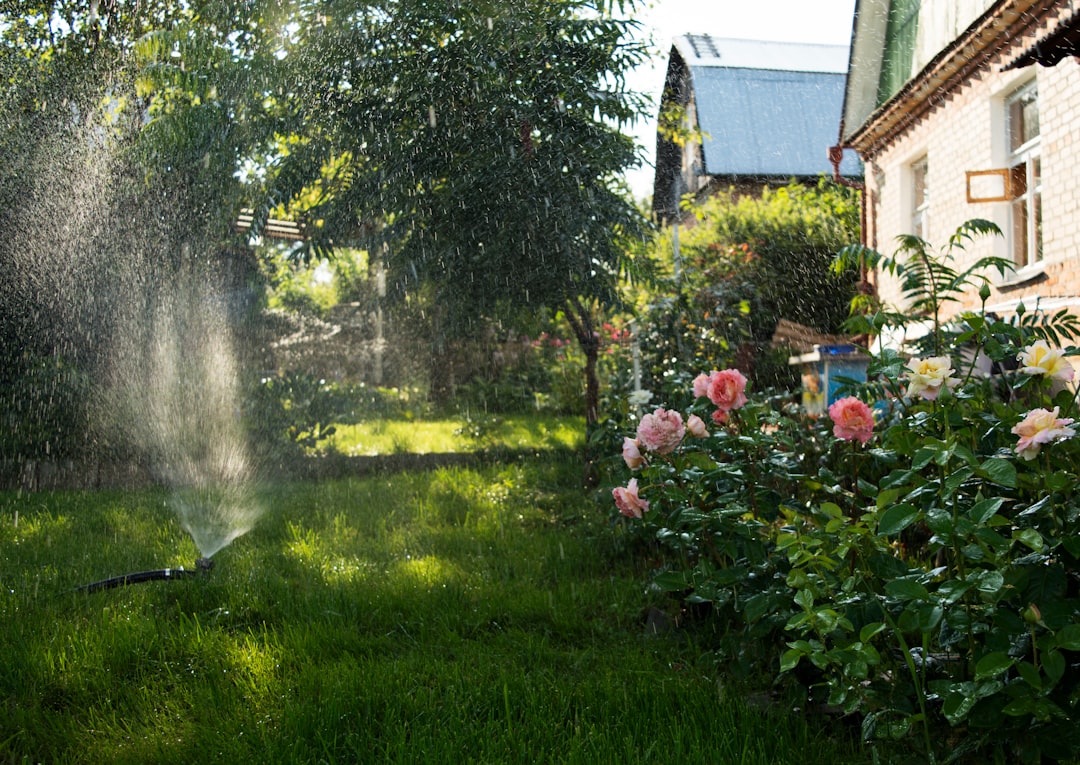
Are you tired of finding your beautiful garden overrun by pesky insects? Those little invaders can wreak havoc on your hard work, making it frustrating to maintain a healthy, thriving garden.
But don't worry—there's a simple, natural solution that you might already have in your kitchen. Imagine using just soapy water to keep those unwanted pests at bay. Sounds intriguing, right? You'll discover how this easy, cost-effective method can transform your gardening experience.
Stick around to learn how you can protect your plants and enjoy a lush, vibrant garden without resorting to harsh chemicals. Your garden deserves the best, and so do you!
Benefits Of Using Soapy Water
Soapy water is a simple yet effective solution for garden pests. It's eco-friendly and budget-friendly. Many gardeners prefer it for its safety and efficiency. Using soapy water can protect plants without harmful chemicals. This method can be a great ally in keeping gardens healthy.
Eco-friendly Solution
Soapy water is safe for the environment. Unlike chemical pesticides, it doesn't harm the soil. Plants and beneficial insects remain unharmed. It supports sustainable gardening practices. Every gardener can use it without worrying.
Cost-effective
Making soapy water is cheap. Most homes have soap readily available. No need to buy expensive pesticides. This method saves money over time. It's a practical solution for every garden.
Easy To Use
Preparing soapy water is simple. Mix soap with water. Spray it directly on affected plants. No special equipment is needed. Anyone can use it with ease. It's a hassle-free pest control method.
Safe For Plants
Soapy water won't damage plants. It targets pests but leaves plants healthy. No fear of chemical burn. Plants continue to grow strong. It's gentle yet effective.
Effective Against Soft-bodied Pests
Soapy water works well on aphids. It disrupts their cell membranes. This method targets soft-bodied pests. It's a proven pest control method. Many gardeners rely on it for results.
Choosing The Right Soap
Choosing the right soap helps eliminate garden pests with soapy water. Pick a mild, biodegradable soap to ensure plant safety. Mix it with water and spray on affected plants to deter insects naturally.
Choosing the right soap is crucial for effective pest control in gardens. Soap can help eliminate pests without harming plants. Understanding the type of soap to use ensures a safe and pest-free garden environment.
Dish Soap Vs. Insecticidal Soap
Dish soap is commonly available and inexpensive. It can be used to create soapy water for pest control. However, not all dish soaps are suitable for plants. Some contain chemicals that may harm delicate leaves. Insecticidal soap is specially formulated for pest control. It is safe for most plants and effective against soft-bodied insects. This type of soap targets pests without harming beneficial insects. It is a good choice for organic gardeners.
Avoiding Harmful Additives
Choose soaps free from harmful additives. Avoid soaps with fragrances, dyes, or other harsh chemicals. These can damage plant health and soil quality. Natural soaps or soaps labeled as plant-safe are preferable. Read labels carefully before purchasing soap. Ensure it is appropriate for garden use. This helps maintain a healthy garden ecosystem. Select soaps that focus on pest control without compromising plant safety.
Preparing Your Soapy Solution
Creating a soapy solution is a natural way to combat garden pests. It's an eco-friendly method to keep your plants safe. You need the right ingredients and techniques for this solution to work effectively.
Ideal Soap-to-water Ratio
For an effective solution, balance the soap and water. Use one tablespoon of mild liquid soap for every quart of water. This ratio ensures the solution is not too strong. Too much soap can harm plants. Choose a soap without additives or fragrances. Pure castile soap is a popular choice.
Mixing Techniques
Combine the soap and water in a spray bottle. Shake gently to mix. Avoid creating too many bubbles. The solution should be clear, not foamy. Spray the mixture on a small plant area first. This helps test for any adverse reactions. If safe, apply to more plants. Spray in the early morning or late afternoon. This prevents the sun from causing damage. Reapply after rain or heavy watering.
Application Methods
Using soapy water to combat garden pests is effective and eco-friendly. The method is simple, requiring only water and soap. Yet, applying it correctly ensures its success. Various application methods exist to target specific pests and protect plants.
Spraying Techniques
The most common method involves spraying soapy water on plants. Use a spray bottle for small gardens. For larger areas, a garden sprayer works best. Always cover both sides of the leaves. This ensures pests hiding underneath are reached. Spray during cooler parts of the day. This prevents plant damage from the sun. Consistent application is key. Repeat every few days for persistent pests.
Targeting Specific Pests
Different pests require different approaches. Aphids, for instance, thrive on plant leaves. Directly spray affected areas to reduce their numbers. For caterpillars, focus on the undersides of leaves. They often hide there during the day. Spider mites prefer dry environments. Increase moisture by thoroughly spraying plants. This disrupts their habitat. Scale insects have protective coverings. Saturate them for a longer period. Allow the soapy water to penetrate and weaken them.
Safety Considerations
Using soapy water to eliminate garden pests requires careful handling. Avoid applying during hot, sunny days to prevent plant damage. Test on a small area first to ensure plant safety.
Dealing with pests in your organic garden using soapy water can be an effective strategy. However, it's crucial to consider the safety aspects. Not only for your plants but also for the ecosystem in your garden. Let’s dive into the important safety considerations you should keep in mind.
Protecting Beneficial Insects
While aiming to eliminate pests, you must ensure that beneficial insects are not harmed. Ladybugs, bees, and lacewings play vital roles in your garden's health. They help control pest populations and pollinate your plants. Consider spraying soapy water during times when beneficial insects are less active, like early morning or late afternoon. This timing reduces the likelihood of affecting these helpful creatures. You might also focus on spot-treating only the affected areas of your plants. This approach lessens the chance of impacting the good bugs.
Preventing Plant Damage
Using soapy water can be a double-edged sword if not done carefully. Some plants may react negatively to the soap, leading to damage. Conduct a patch test on a small part of the plant first. Ensure you use a mild soap, preferably biodegradable, and mix it in the right concentration. An overly strong solution can burn plant leaves. Always rinse the plants with clean water a few hours after application to remove any soap residue. Have you ever noticed your plants looking a bit under the weather after a treatment? It might be a sign to adjust the solution's concentration or frequency. Keeping an eye on plant health can prevent long-term damage and keep your garden thriving. Taking these precautions ensures that your pest control methods are as gentle on your garden as possible. What steps will you take to balance pest control with plant and insect safety?
Monitoring And Maintenance
Keeping your garden healthy requires constant vigilance. Monitoring and maintenance are crucial. After applying soapy water to combat pests, assess the garden regularly. This helps ensure pests are effectively managed. Continuous attention aids in early detection of any pest resurgence.
Signs Of Pest Reduction
Look for fewer damaged leaves. New growth appears healthier. Inspect plants closely. Check for a reduction in visible pests. Observe the plant's overall vitality. Healthy plants are a sign of success. Monitor for a decrease in pest activity. Fewer pests indicate effective treatment.
Reapplication Guidelines
Soapy water may need reapplication. Reapply after heavy rain. Rain can wash away the solution. Use soapy water weekly for persistent infestations. Ensure application covers all plant parts. Avoid applying during peak sun. Morning or evening is best. Consistent reapplication strengthens pest control.
Alternative Natural Pest Control
Gardening naturally often leads to a frustrating battle with pests. While soapy water is a popular choice for organic pest control, there are several alternative methods that can also be effective. These natural pest control strategies not only maintain the health of your plants but also keep your garden ecosystem balanced.
Companion Planting
Have you ever considered the power of plant partnerships? Companion planting is a strategic method where specific plants are grown together to repel pests or enhance growth. For instance, planting marigolds near your vegetables can deter nematodes and aphids.
Think of your garden as a community. Just like neighbors who look out for each other, certain plants provide mutual benefits. Basil planted alongside tomatoes not only enhances flavor but also keeps tomato hornworms at bay. What plant partnerships can you create to ward off pests?
Homemade Remedies
DIY solutions can be surprisingly effective in pest control. Garlic spray is a potent remedy; blending garlic with water and a bit of soap creates a mixture that repels soft-bodied insects. It's an easy fix that can protect your plants without harsh chemicals.
Consider concoctions from your kitchen. A mix of chili peppers and water can deter critters like snails and slugs. These homemade remedies are cost-effective and environmentally friendly. What ingredients can you find in your pantry to help your garden thrive?
So, why not give these alternative methods a try? Combining strategies like companion planting and homemade remedies can lead to a thriving, pest-free garden. Which technique will you explore first to keep your garden vibrant?
Frequently Asked Questions
How Does Soapy Water Kill Garden Pests?
Soapy water kills pests by disrupting their cell membranes. This leads to dehydration and eventual death. It's an effective, natural solution for controlling soft-bodied insects. Use mild liquid soap to avoid harming plants. Apply the solution directly on pests for best results.
Always rinse your plants after treatment to prevent damage.
Is Soapy Water Safe For All Plants?
Soapy water is generally safe for most plants when used correctly. However, some sensitive plants may react negatively. Always test on a small area first. Use mild, non-detergent soap to minimize risk. Avoid using on young seedlings and always rinse plants after application.
This helps prevent potential damage or soap residue.
How Often Should I Apply Soapy Water?
Apply soapy water once a week for effective pest control. Consistent treatment helps manage pest populations. Reapply after rain as it can wash away the solution. Be cautious not to overuse, as too much soap can harm plants. Monitor your garden regularly to adjust application frequency as needed.
Can Soapy Water Harm Beneficial Insects?
Soapy water can harm beneficial insects if not used carefully. Target only the affected plants to minimize risk. Apply the solution directly to pest-infested areas. Avoid spraying indiscriminately across the entire garden. This helps protect beneficial insects while effectively controlling pests in specific problem areas.
Conclusion
Soapy water can effectively deter garden pests. It's a simple solution. Mix soap with water. Spray on plants. Watch pests disappear. This method is safe for your garden. It doesn't harm beneficial insects. Try this eco-friendly approach today. No need for harsh chemicals.
It's easy and affordable. Keep your garden healthy naturally. Enjoy pest-free plants. Remember, always test on a small area first. Ensure it suits your plants. Happy gardening! Share your results. Help others with this simple tip. Your garden will thank you.


