Imagine stepping into your backyard to pick fresh vegetables and herbs for your dinner. The vibrant colors and rich aromas promise a feast that's both delicious and healthy.
Growing an organic garden at home isn’t just a hobby; it’s a rewarding way to ensure you and your family eat the freshest produce possible. Plus, it saves money and reduces your carbon footprint. But maybe you're wondering, "Can I really do this?
" Absolutely. With the right guidance, anyone can cultivate a flourishing garden, even if you’re new to it. This guide will show you how to transform a patch of your yard—or even a few pots on your balcony—into a thriving organic garden. You’ll discover simple, actionable steps that make gardening not only possible but enjoyable. Ready to dig in and discover the secrets to a lush, organic oasis right at your doorstep? Keep reading!
Choosing The Right Location
Choosing the right location for your organic garden is crucial to its success. The site you select will influence the growth and health of your plants. It's not just about finding a sunny spot; there's more to consider. Let's dive into the essentials that will help your garden thrive.
Sunlight Requirements
Plants need sunlight to grow, but how much is necessary? Most vegetables and fruits require at least six to eight hours of direct sunlight daily. Have you ever noticed how your houseplants lean towards the window? They’re reaching for the light they crave. Your garden plants are no different.
If you're unsure about the sunlight in your yard, spend a day observing how the sun travels across your space. Note which areas get consistent sunlight. This simple task can save you from future frustrations. Remember, a lack of sunlight can stunt your plants' growth, leaving them weak and unproductive.
Soil Quality
Healthy soil is the foundation of a thriving garden. It's more than just dirt; it's a living ecosystem that supports plant life. You might be tempted to just dig up a patch and start planting, but take a moment to test your soil first.
Is it sandy, clayey, or loamy? Each type has its pros and cons. Sandy soil drains well but may not hold nutrients. Clay soil holds water but might suffocate roots. Loamy soil is the ideal mix. If your soil is less than perfect, consider enriching it with compost or organic matter.
Have you ever tried growing tomatoes only to find them struggling? Poor soil could be the culprit. A simple soil test can tell you what amendments might be needed. Don't skip this step; it's a small effort that pays off big.
So, have you mapped out your garden space yet? Take the time to explore and understand your yard. What surprises have you found? The right location can transform your gardening experience from a chore into a rewarding hobby.

Credit: www.gardenary.com
Selecting Organic Seeds
Growing an organic garden at home starts with choosing the right seeds. Your choice can influence the entire gardening journey, impacting plant health and yield. Picking organic seeds ensures you're planting with purity and sustainability in mind. But what makes a seed truly organic, and how do you select the best ones for your garden? Let’s dive into the world of organic seeds and explore heirloom varieties and non-GMO options.
Heirloom Varieties
Heirloom seeds are a gardener's treasure. These seeds have been passed down through generations, preserving the unique flavors and characteristics of plants. Imagine biting into a tomato that tastes just like the ones your grandparents grew. They offer not just flavor but also diversity, coming in various colors and shapes you won't find in the supermarket.
Why choose heirloom seeds? They are a link to the past, offering resilience and adaptability. Heirloom plants often thrive in conditions that hybrid plants struggle with. When I first tried heirloom seeds, I was amazed at the robustness of my vegetables. Have you ever considered what historical seeds might bring to your garden?
Non-gmo Options
Non-GMO seeds are essential for an organic garden. GMO stands for genetically modified organism, and these seeds are altered to enhance certain traits. Although they might seem appealing, they often come with environmental concerns and can disrupt natural ecosystems.
Choosing non-GMO seeds ensures that your plants grow naturally, without artificial manipulation. I once planted GMO corn and found it lacked the rich flavor of my non-GMO batch. With non-GMO seeds, you not only protect the environment but also get to enjoy the authentic taste of your produce. Would you prefer your garden to be a reflection of nature’s true potential?
When selecting seeds, focus on authenticity and sustainability. Explore local seed libraries or online organic seed suppliers. Remember, each seed you plant is a step towards a healthier garden and a better planet. Your garden is your canvas; what will you choose to paint with it?
Preparing The Soil
Start by loosening the soil with a garden fork. Remove rocks and roots. Mix in compost to enrich nutrients for healthy plants.
Growing an organic garden at home is a journey that starts beneath your feet. Preparing the soil is a crucial step that can make or break your gardening success. A well-prepared soil not only supports plant growth but also enhances the flavor and nutrition of your produce. Let's dive into the essentials of getting your soil ready for planting.
Composting Techniques
Composting transforms kitchen scraps and yard waste into nutrient-rich soil. Start by setting up a compost bin in your backyard. Add a mix of green materials like vegetable peels and brown materials such as dried leaves. Turn the pile weekly to aerate it and speed up decomposition. A well-maintained compost pile should feel warm, indicating active microbial activity. In a few months, you’ll have dark, crumbly compost ready to enrich your garden soil.
Natural Fertilizers
Natural fertilizers enhance soil fertility without harmful chemicals. Consider using well-rotted manure; it provides a balanced nutrient supply. You can also try bone meal, which is rich in phosphorus and great for root development. Have you ever heard of worm castings? They are an excellent source of nutrients and improve soil structure. Applying these natural fertilizers not only boosts plant health but also encourages beneficial soil organisms. Preparing your soil with these methods can significantly impact your garden's productivity. What new approach will you try this season?

Credit: drearth.com
Planting Techniques
Growing an organic garden at home involves using natural methods to cultivate plants without chemicals. Choose rich soil, plant seeds or seedlings, and water regularly. Using compost boosts plant growth and keeps the garden healthy.
Planting techniques are the foundation of a thriving organic garden. They determine the health and productivity of your plants. With the right methods, your garden will flourish. Let's dive into some effective techniques.
Companion Planting
Companion planting pairs certain plants together for mutual benefits. Some plants deter pests naturally. Others improve soil nutrients. For example, plant basil near tomatoes. Basil repels insects harmful to tomatoes. Marigolds protect many vegetables from nematodes. They also add vibrant color to your garden. Consider the needs of each plant. Ensure they complement each other. This creates a balanced and healthy ecosystem.
Seedling Care
Seedling care is crucial for plant growth. Begin with healthy seeds. Use seed trays for starting. Keep them in a warm place. Provide ample light. Water seedlings gently. Avoid overwatering. It can lead to root rot. Thin out weaker seedlings. This gives space for stronger ones to grow. Transplant seedlings with care. Ensure they have enough room. Protect them from harsh weather. A little attention early on goes a long way. `
Watering Strategies
Creating a flourishing organic garden at home requires proper watering strategies. Water is crucial for plant growth. However, overwatering or underwatering can harm plants. Understanding effective watering techniques can help maintain a healthy garden. Here, we explore two efficient methods: rainwater collection and drip irrigation.
Rainwater Collection
Rainwater collection is a sustainable option. It reduces dependency on municipal water. Install rain barrels under downspouts to collect runoff. This method is cost-effective and eco-friendly. Plants benefit from rainwater's natural nutrients. Ensure barrels are covered to prevent mosquito breeding. Regularly clean barrels to maintain water quality.
Drip Irrigation
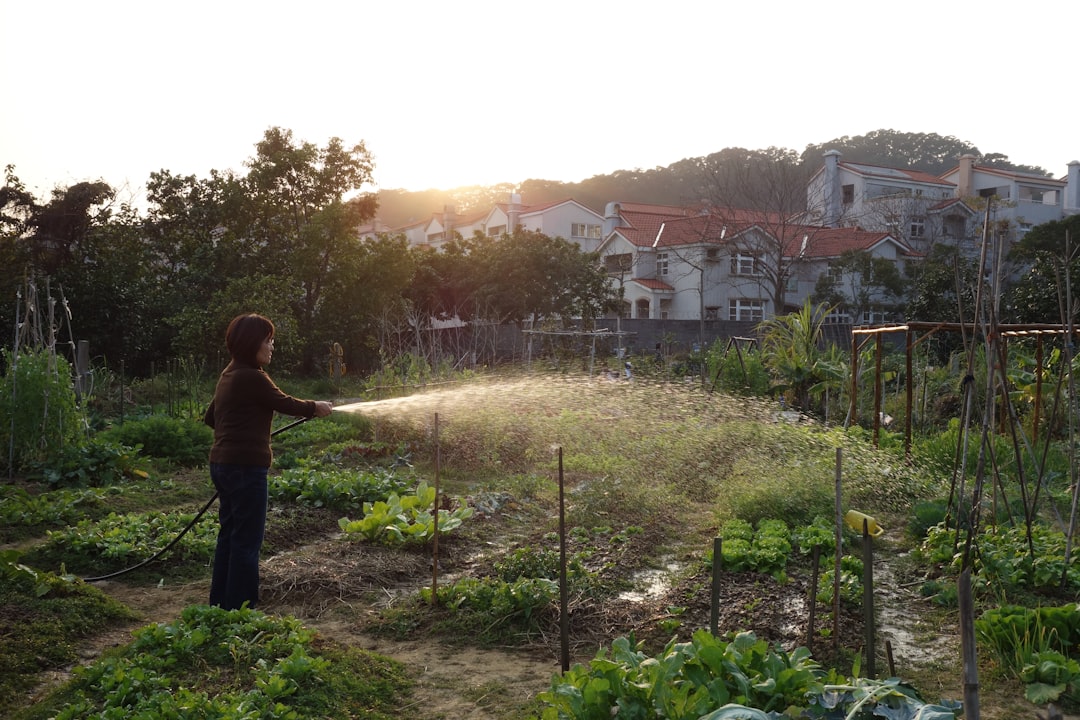
Drip irrigation conserves water by targeting plant roots directly. It minimizes evaporation and runoff. Set up a system with hoses and emitters to control water flow. This method is ideal for busy gardeners. It provides consistent moisture without overwatering. Adjust the system according to plant needs and weather conditions.
Pest Control
Growing an organic garden at home involves natural pest control methods. Use companion planting to deter harmful insects. Introduce beneficial insects like ladybugs to manage pests naturally.
Pest control is a key aspect of growing a healthy organic garden. Unwanted pests can damage plants and reduce yields. Organic gardens thrive with sustainable pest management practices. Chemical pesticides harm beneficial insects and soil health. So, opt for natural pest control methods. Let's explore some effective strategies.
Natural Remedies
Natural remedies offer effective pest control in organic gardens. Neem oil is a popular choice. It disrupts pest life cycles without harming plants. Diatomaceous earth is another option. It dehydrates and kills soft-bodied insects. Garlic and chili sprays deter pests with strong scents. They are easy to make at home. Companion planting also helps. Plant marigolds to repel nematodes. Basil keeps flies and mosquitoes away.
Beneficial Insects
Beneficial insects are nature's pest control agents. Ladybugs eat aphids, which harm plants. Lacewings consume a variety of pests. Encourage these insects to visit your garden. Grow plants that attract them. Dill, fennel, and yarrow are excellent choices. Avoid using chemical sprays that kill beneficial insects. Create habitats with diverse plant life. This encourages a balanced ecosystem.
Maintaining Your Garden
Growing an organic garden at home offers fresh produce and a sustainable lifestyle. Begin by selecting quality organic seeds and nourishing soil. Regular watering and sunlight are essential for healthy plant growth. With patience and care, enjoy the benefits of home-grown vegetables and herbs, free from pesticides.
Maintaining your garden is the secret to a thriving organic space. It's not just about planting and watering; it's about nurturing your plants and the environment they grow in. By dedicating time to regular upkeep, you ensure your garden flourishes season after season. Let's explore some practical ways to maintain your garden effectively.
Pruning Methods
Pruning is crucial to a healthy garden. It helps remove dead or diseased branches, encouraging new growth. Always use clean, sharp tools to avoid harming your plants. Start by identifying any dead or overgrown parts of your plants. Cut them back carefully to allow sunlight and air to reach the inner parts. This simple step can make your garden look tidier and promote plant health. Have you ever noticed how some plants seem to bloom more after a good trim? Pruning can stimulate flowering and fruiting, making your garden more productive. Remember, not all plants need the same pruning techniques—research your specific plant types for best results.
Seasonal Maintenance
Each season brings unique challenges and opportunities for your garden. It's essential to adjust your care routine accordingly. Let's break it down by season to make it more manageable. In spring, focus on preparing your soil and planting new seeds. Add organic compost to enrich the soil, giving your plants a strong start. Summer requires diligent watering, especially during dry spells. Consider using mulch to retain moisture and suppress weeds. Fall is about tidying up. Clear fallen leaves and debris to prevent pests and diseases from taking hold. This is also a great time to plant bulbs for spring blooms. Winter may seem like a dormant period, but there's still work to do. Protect delicate plants with covers or mulch to shield them from frost. What's your favorite season for gardening? Each offers its own rewards and challenges, making year-round gardening an exciting journey. By adapting your maintenance practices to the seasons, you keep your garden vibrant and healthy all year long.
Harvesting And Storage
Harvesting and storing your homegrown produce can be a rewarding experience. Knowing when and how to harvest ensures you get the best taste and nutrients. Proper storage keeps your fruits and vegetables fresh longer. Let’s explore the best practices for timing your harvest and preservation techniques.
Timing Your Harvest
Harvesting at the right time makes a big difference. Check each plant’s guidelines. Tomatoes should feel firm and have a deep color. Pick cucumbers when they are small and bright green. Lettuce leaves should be crisp but not too big. Early morning is ideal for most vegetables. The cooler air keeps them fresh.
Use clean scissors or knives. This prevents damage to the plant. Handle each fruit or vegetable gently. This stops bruising and helps them last longer. Keep track of your harvest dates. This helps in planning for the next season.
Preservation Techniques
Storing your harvest properly prevents waste. Refrigeration works for most vegetables. Wrap leafy greens in a damp paper towel. This keeps them fresh. Store root vegetables like carrots in a cool, dark place. Freezing preserves flavor and nutrients. Blanch vegetables before freezing. This keeps their color and texture.
Try drying herbs. Hang them upside down in a dark, dry area. This concentrates their flavor. Canning is another option. It extends the shelf life of fruits and vegetables. Follow safe canning guidelines. This prevents spoilage and ensures safety. Experiment with pickling for unique flavors. It adds variety to your preserved goods.

Credit: www.amazon.com
Frequently Asked Questions
How Do I Start An Organic Garden?
Starting an organic garden begins with selecting a sunny location. Prepare the soil by enriching it with organic compost. Choose seeds that are certified organic. Ensure proper spacing for growth. Use natural pest control methods to protect plants. Regularly water and maintain your garden for healthy growth.
What Vegetables Are Best For Organic Gardening?
Leafy greens, tomatoes, and carrots are ideal for organic gardening. They thrive in various climates and offer high yields. Select varieties suited to your region. Ensure soil is nutrient-rich. Use organic methods to control pests and diseases. Regular harvesting will encourage continuous growth and production.
How Can I Improve Soil Naturally?
Enhance soil naturally by adding organic compost and mulch. Compost enriches soil with nutrients. Mulch retains moisture and prevents weeds. Rotate crops yearly for balanced nutrient levels. Use cover crops to prevent erosion. Natural amendments like bone meal can improve soil structure and fertility.
What Are Organic Pest Control Options?
Organic pest control includes using neem oil and insecticidal soap. These are effective and non-toxic to humans. Introduce beneficial insects like ladybugs to eat pests. Use companion planting to deter harmful insects. Regularly inspect plants for early signs of pest issues to control them naturally.
Conclusion
Growing an organic garden at home offers many rewards. Fresh produce, free from chemicals. Health benefits, too. Plus, a sense of achievement. Starting small is key. Learn as you go. Choose easy-to-grow plants first. Keep soil healthy and water wisely.
Compost helps enrich the soil. Pest control? Use natural methods. Over time, you'll see progress. Patience and care matter. Enjoy the process and the results. Share your harvest with family and friends. Inspire others to start their own gardens. Your organic garden will thrive with love and attention.
Happy gardening!