Imagine stepping into your backyard and being greeted by the vibrant colors and fresh scents of your own vegetable garden. Now, picture this garden as a well-organized oasis, where every plant thrives and every inch of space is maximized.
Sounds like a dream, right? But it’s a dream you can achieve, and it starts with knowing how to organize your vegetable garden effectively. In this guide, you'll discover simple yet powerful strategies to transform your garden into a productive, stress-free space.
Whether you're a seasoned gardener or just starting out, understanding the art of organization will not only enhance the beauty of your garden but also boost its yield. You'll learn how to plan your layout, choose the right plants, and implement efficient growing techniques. But why stop at just reading? By the end of this article, you'll have the insights you need to turn your garden into a personal sanctuary of growth and sustainability. Let’s dive in and unlock the secrets to a flourishing vegetable garden that you’ll love tending to every day.
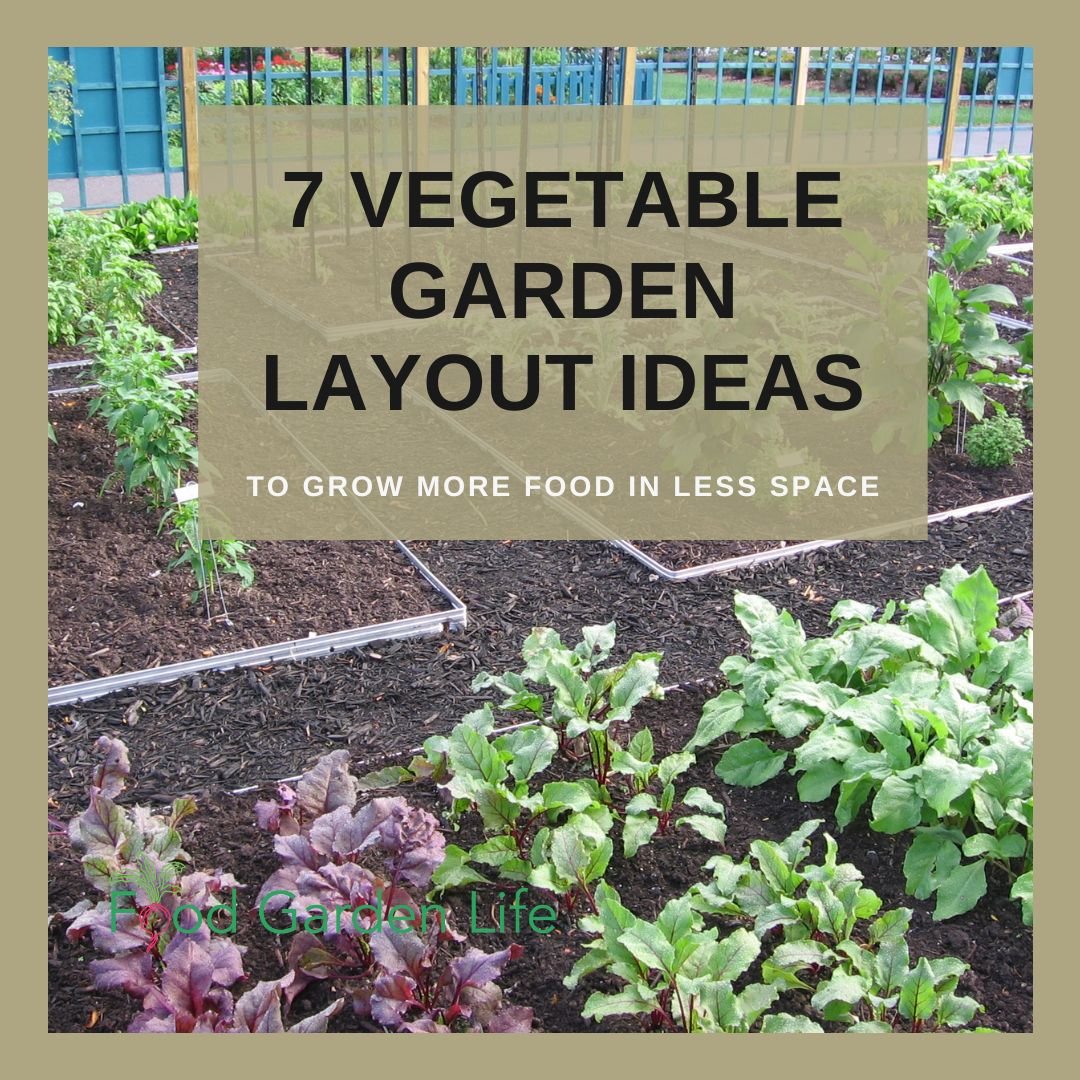
Credit: www.foodgardenlife.com
Garden Planning
Organizing a vegetable garden involves arranging plants for optimal growth. Begin by grouping plants with similar sunlight and water needs. Consider spacing for air circulation and ease of access for maintenance.
Planning your vegetable garden is a crucial step in ensuring a bountiful harvest. Whether you're a first-time gardener or looking to refine your green space, thoughtful planning can make all the difference. It’s not just about planting seeds; it’s about creating a sustainable, productive environment.
Assessing Space
Begin by evaluating the space you have available. Is it a sprawling backyard or a small balcony? The size of your garden will determine how many and what types of vegetables you can grow. Measure your area and consider sunlight exposure, as most vegetables need at least six hours of sunlight daily. Think about accessibility. You’ll want to reach each plant easily for watering and harvesting. Imagine yourself moving through the space—are there paths you need to create or obstacles to remove? Understanding your space helps you maximize its potential.
Choosing Vegetables
Select vegetables that you and your family enjoy eating. Consider their growing requirements: Do they need full sun or partial shade? Check your climate zone to ensure your choices will thrive in your environment. Start small if you're new to gardening. Choose a few easy-to-grow vegetables like radishes, lettuce, or tomatoes. These can provide quick gratification and boost your gardening confidence. Be realistic about the time and effort you can dedicate to your garden.
Designing Layout
Designing the layout is like solving a puzzle. Every piece needs to fit perfectly for the garden to flourish. Use raised beds or containers if you have limited space or poor soil quality. They offer better drainage and can be organized neatly. Think vertically if you're short on space. Trellises and wall-mounted planters can help you grow more in less room. Map out where each vegetable will go. Place taller plants like tomatoes or corn on the north side to prevent them from shading shorter plants. Consider companion planting to make the most of your space. Some plants, when grown together, can enhance each other’s growth. How will your garden look in three months? Planning ahead can save you from future headaches. Planning your garden thoughtfully can lead to a productive season and a beautiful space. Take the time now to assess, choose wisely, and design with intention. Your future self—and your harvest basket—will thank you.
Soil Preparation
Preparing the soil is crucial for a thriving vegetable garden. Healthy soil nurtures plants and boosts yields. It provides essential nutrients and retains moisture. Proper soil preparation ensures your garden's success from the start.
Testing Soil Quality
Begin by testing your soil's quality. A soil test reveals nutrient levels and pH balance. You can purchase a home testing kit or send samples to a lab. Understanding your soil's condition guides your next steps.
Amending Soil
Improve soil quality by amending it. Add organic matter like compost to enhance nutrients. Ensure good drainage and aeration by mixing in sand or perlite. Adjust pH levels using lime or sulfur. Tailor amendments based on test results.
Creating Raised Beds
Raised beds offer many benefits for your vegetable garden. They improve drainage and prevent soil compaction. Raised beds warm up faster, extending growing seasons. Construct them using wood, bricks, or other materials. Fill with quality soil mix for optimal growth.
Planting Strategies
Organizing a vegetable garden is an art that blends planning with creativity. Your planting strategies play a vital role in achieving a bountiful harvest. Choosing the right strategy can transform your garden into a flourishing oasis. But how do you decide which method suits your space and goals? Let's dive into some effective planting strategies that can enhance your vegetable garden.
Companion Planting
Companion planting is like having a buddy system in your garden. Certain plants thrive when grown together, boosting each other's growth and deterring pests. For example, planting basil alongside tomatoes not only enriches the flavor but also keeps pests at bay. Think about what you want in your garden and pair plants that complement each other. Have you ever noticed how marigolds can protect your cabbages from pesky worms? It's nature's way of teamwork. Are you ready to try these dynamic duos?
Succession Planting
Succession planting keeps your garden productive all season long. The idea is simple: as one crop is harvested, you plant another. This strategy ensures a continuous supply of fresh produce. Plant lettuce early in spring, and once harvested, replace it with carrots or beans. This method maximizes space and yields. Imagine enjoying fresh greens from your garden well into fall. How can you plan your garden to keep the harvest rolling?
Seasonal Planting
Embrace the rhythm of the seasons by practicing seasonal planting. It aligns your garden with nature's cycles, allowing you to grow crops suited to different times of the year. Start with cold-tolerant plants like spinach in early spring. As the weather warms, transition to summer favorites like tomatoes and peppers. Have you considered the benefits of planting garlic in the fall for a spring harvest? Timing is everything. How will you adapt your garden to the changing seasons?
Organizing a vegetable garden with strategic planting methods can transform your gardening experience. What strategies resonate with your gardening goals? Are you ready to experiment with these techniques and witness the magic unfold? Your garden awaits your creativity and care.
Maintenance Practices
Organizing a vegetable garden boosts its health and productivity. Start by grouping plants with similar needs together. Regularly check soil and water levels to keep plants thriving.
Maintaining a vegetable garden can be as rewarding as it is challenging. By adopting effective maintenance practices, you ensure that your garden thrives throughout the growing season. Let’s delve into some essential techniques that can make a difference in your garden's health and productivity.
Watering Techniques
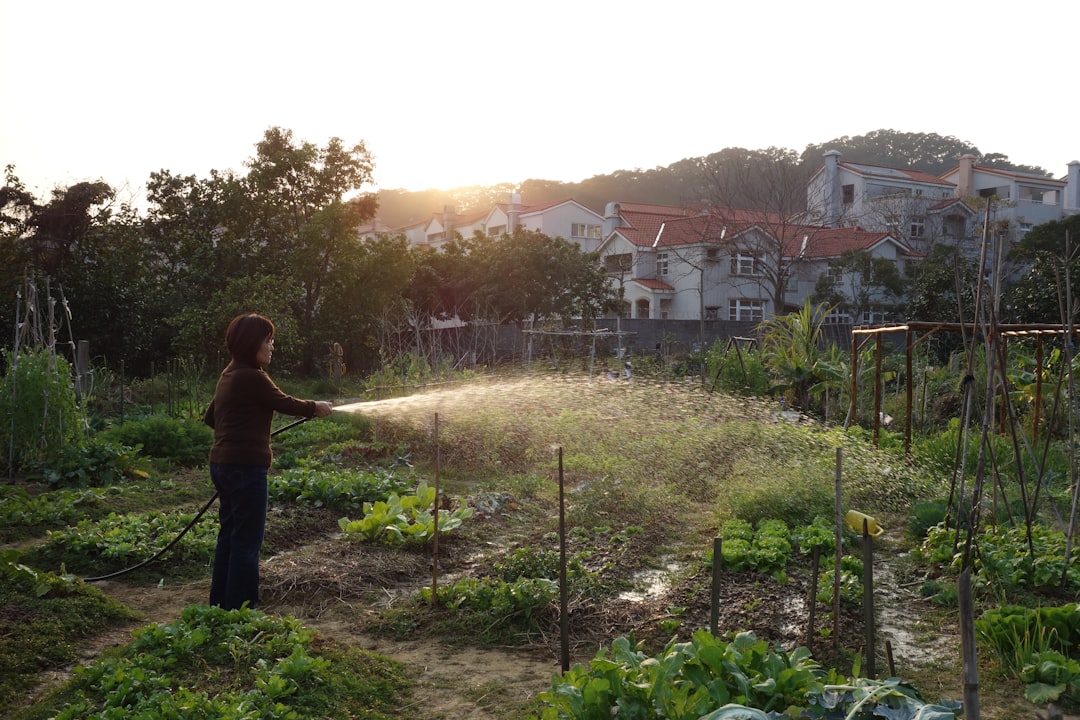
Water is the lifeblood of your vegetable garden. The key is to water deeply and less frequently to encourage root growth. I learned this the hard way after overwatering my tomatoes, which led to root rot. Consider using a drip irrigation system. It saves time and ensures even distribution. Water in the early morning to reduce evaporation and fungal diseases.
Pest Control
Pests can be relentless, but you can manage them without harsh chemicals. First, identify the pest problem by observing your plants regularly. When I noticed aphids on my lettuce, I introduced ladybugs, which naturally reduced the population. Companion planting can also deter pests. For instance, planting marigolds near your vegetables can keep nematodes away. Ask yourself, could a simple change in plant placement solve your pest issues?
Weed Management
Weeds compete with your vegetables for nutrients, light, and space. Regularly check your garden beds for unwanted plants. During my first gardening season, I underestimated weeds and saw my plants struggle. Mulching is an effective way to suppress weeds. Use organic materials like straw or wood chips. Hand-pulling weeds is also effective but requires consistency. Are you ready to roll up your sleeves and keep those weeds at bay? By focusing on these maintenance practices, you create a thriving environment for your vegetables. It takes effort, but the bountiful harvest is worth it. What changes will you make to your garden maintenance routine this season?
Harvesting Tips
Harvesting is a rewarding part of vegetable gardening. Knowing when and how to harvest ensures you enjoy the best flavors and textures. Proper techniques help maintain the quality of your produce. Let's explore some essential tips for successful harvesting.
Identifying Ripeness
Recognizing ripe vegetables is crucial. Check color, size, and feel. Tomatoes should be deep red and firm. Cucumbers are best when dark green and smooth. Look for bright, consistent color in bell peppers. These signs indicate perfect ripeness. Taste one to confirm if unsure.
Best Harvesting Methods
Use sharp tools for clean cuts. Scissors or pruners are ideal for delicate stems. Avoid tearing or pulling; it can damage the plant. Gently twist or cut fruits like peppers and squash. Morning is the best time to harvest. Cooler temperatures preserve freshness.
Storing Produce
Proper storage extends the life of your harvest. Keep leafy greens in a cool, humid place. Store root vegetables in a dark, dry area. Refrigerate fruits like tomatoes to maintain their flavor. Label and date your produce for easy tracking. This keeps your garden bounty fresh longer.
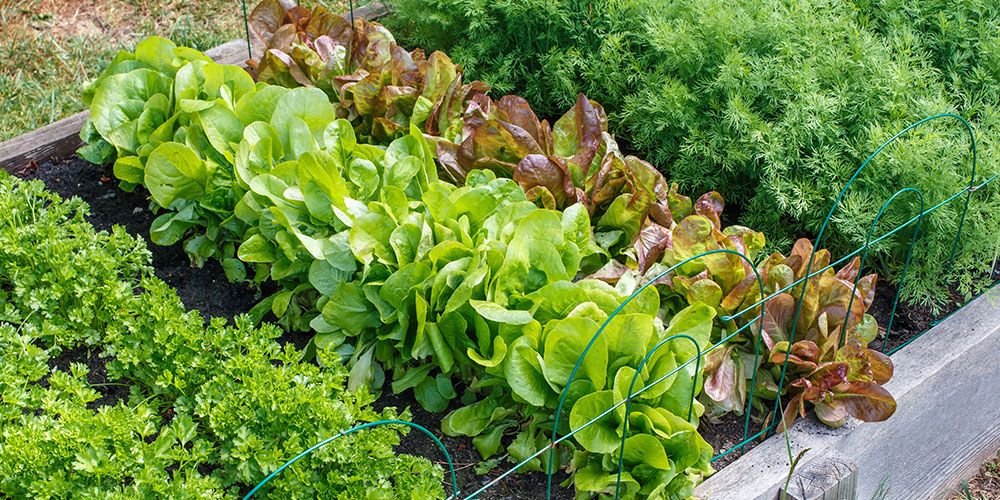
Credit: plantperfect.com
:max_bytes(150000):strip_icc()/plan-vegetable-garden-getty-0323-2000-727fcf3ad4ed40caa7cafa05d7b84222.jpg)
Credit: www.marthastewart.com
Frequently Asked Questions
How Do I Start A Vegetable Garden?
To start a vegetable garden, choose a sunny spot with good soil. Plan your garden layout, considering space for each plant. Begin with easy-to-grow vegetables like tomatoes, lettuce, or carrots. Prepare the soil by adding compost and organic matter. Water regularly and monitor for pests.
What Vegetables Grow Well Together?
Vegetables that grow well together include tomatoes and basil, carrots and onions, and beans with cucumbers. These combinations help maximize space, improve growth, and deter pests. Companion planting enhances nutrient uptake and supports healthy plant development. Research companion plants for your specific vegetables to ensure successful growth.
How Often Should I Water My Vegetable Garden?
Water your vegetable garden 1-2 inches per week, depending on weather conditions. Consistent watering is crucial for healthy plant growth. Early morning is the best time to water, reducing evaporation. Soil should be moist, not waterlogged. Adjust watering based on rainfall and specific vegetable needs.
What Are The Best Tools For Vegetable Gardening?
Essential tools for vegetable gardening include a hand trowel, garden fork, watering can, and pruning shears. A hoe and garden gloves are also useful. These tools aid in planting, weeding, watering, and maintaining your garden. Investing in quality tools ensures efficient and enjoyable gardening.
Conclusion
Creating a vegetable garden brings joy and fresh produce. Start with a plan. Arrange your plants based on their needs. Sunlight and water matter. Group similar plants together. Use labels to stay organized. Regular weeding keeps your garden healthy. Compost enriches the soil.
Rotate crops each season to prevent diseases. A well-organized garden grows better. Enjoy the fruits and vegetables of your labor. Gardening is relaxing and rewarding. Share your harvest with friends and family. Happy gardening!