
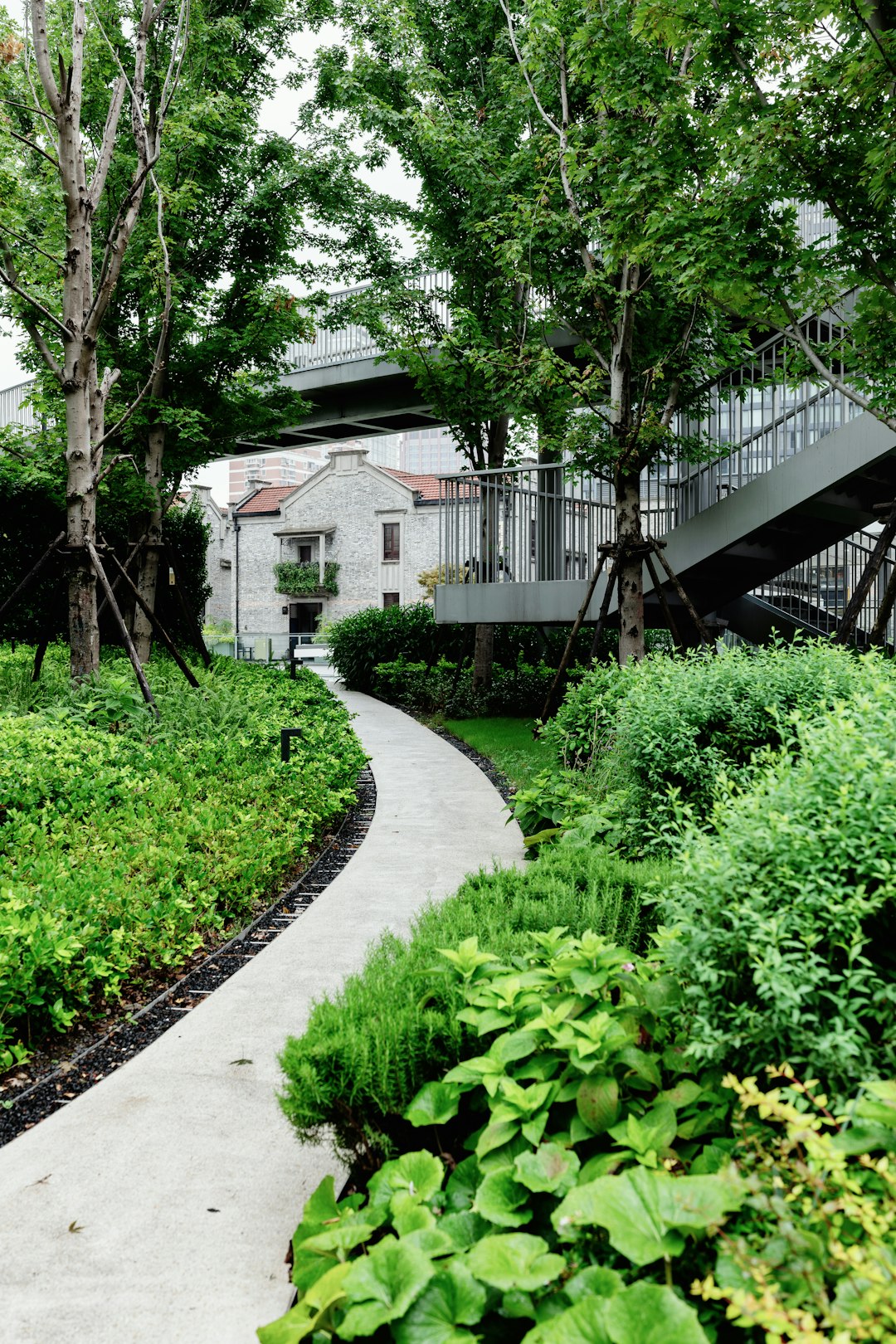
Imagine stepping into your garden and feeling like you've entered a peaceful oasis. What if I told you that the secret to creating such a sanctuary lies in a well-designed garden path?
Whether you're aiming for a serene stroll or a vibrant walkway bursting with character, designing a garden path can transform your space and elevate your outdoor experience. You might be wondering, where do I start? How do I choose the right materials and layout to suit my style?
Don't worry, we've got you covered. This guide will walk you through the essentials of crafting the perfect garden path, tailored just for you. Ready to unlock the full potential of your garden? Let’s dive in and explore how a thoughtfully designed path can make all the difference.
Choosing The Right Path Material
Designing a garden path requires thoughtful material choices. The right material enhances the garden's beauty. It also ensures durability and safety. Each material has unique characteristics. Choose based on aesthetics, budget, and maintenance needs. Here are some popular path materials to consider.
Natural Stone Options
Natural stone offers a timeless look. It blends well with garden landscapes. Options include slate, sandstone, and limestone. Each type has distinct colors and textures. Stone paths are durable and long-lasting. They require minimal maintenance. Installation can be labor-intensive. Consider hiring a professional for best results.
Concrete And Brick Choices
Concrete and brick provide a classic feel. They are versatile and customizable. Concrete can be stamped or stained for different effects. Brick offers a warm, traditional appearance. Both materials are sturdy and reliable. They withstand harsh weather and heavy foot traffic. Maintenance involves regular cleaning and sealing.
Gravel And Mulch Alternatives
Gravel and mulch create informal paths. They are cost-effective and easy to install. Gravel provides good drainage and a rustic vibe. Mulch adds a natural touch and enriches the soil. Both materials require regular replenishment. Keep edges defined to prevent spreading. Use landscape fabric to minimize weed growth.
Planning The Path Layout
Designing a garden path requires thoughtful planning. Consider the path's purpose and select materials that complement the garden's style. Arrange the layout to enhance flow and accessibility, ensuring harmony with surrounding plants and features.
Designing a garden path is not just about laying stones or gravel; it's about creating a journey through your outdoor space. Planning the Path Layout is crucial to ensure your path is functional, aesthetic, and harmonizes with your garden's design. Whether you're aiming for a meandering walkway or a straight avenue, understanding the layout possibilities will help you achieve a path that truly enhances your garden experience.
Assessing Garden Space
Begin by evaluating the size and shape of your garden. Is it expansive or compact? Knowing the dimensions helps you decide on a path that complements the space rather than overwhelms it. Consider how much area you want the path to cover. A small garden might benefit from a narrow, winding path, while a larger space can accommodate broader walkways. Think about the existing elements in your garden. Trees, flower beds, and water features can either be focal points or obstacles. Use them to guide your path design, enhancing natural beauty without disrupting it.
Considering Path Functionality
Determine the primary purpose of the path. Is it a simple route to the garden shed or a scenic stroll for relaxation? This decision will influence the width, materials, and complexity of the layout. Paths should be easy to walk on. Avoid steep gradients or uneven surfaces that might make walking difficult. Safety and comfort should be top priorities. Think about how often the path will be used. Frequent usage demands durable materials like stone or brick, whereas a less-traveled route can afford more delicate options like grass or mulch.
Incorporating Curves And Straight Lines
Straight lines offer a formal, structured look. They can create a sense of direction and lead the eye towards specific garden features. Perfect for an orderly garden style. Curves add a sense of whimsy and relaxation. They invite exploration and make the space feel larger by adding depth and intrigue. Great for a natural, flowing garden design. Blend curves with straight lines for a balanced path. For instance, you might start with a straight section leading from your patio, then transition into gentle curves as the path winds deeper into the garden. This combination can create a dynamic and engaging journey. Consider the interplay of light and shadow. Curved paths can create interesting shadow patterns, especially when flanked by tall plants or structures. It’s an unexpected delight that can make your garden feel magical. As you plan your garden path layout, remember that this is your personal journey through nature. How can you make every step meaningful and enjoyable?
Designing For Aesthetic Appeal
Designing a garden path is an art. It creates a journey through your outdoor space. While functionality is crucial, aesthetic appeal enhances the experience. A visually pleasing path invites exploration. It ties the landscape together beautifully. Let's explore how to achieve this.
Color And Texture Harmony
Colors and textures set the tone of your garden path. Choose stones that blend with your garden's theme. Soft colors create a peaceful vibe. Bold tones add excitement. Textures matter too. Smooth stones suit modern gardens. Rough textures give a rustic feel. Consider your garden's overall look. Make choices that complement it.
Integrating Plants And Greenery
Plants add life to your path. Use greenery to soften edges. Ferns or grasses work well. Flowers inject color and fragrance. Choose plants that thrive in your climate. Low-maintenance options are best. They keep your path looking fresh with little effort. Make sure plants don't overgrow the path.
Creating Visual Interest
A garden path should intrigue. Curves and bends draw the eye. Straight paths can seem dull. Add features like stepping stones. These create focal points. Vary the width of the path. Wider sections invite pause. Narrow spots enhance the journey. Use lighting for night appeal. Soft lights guide and highlight features.
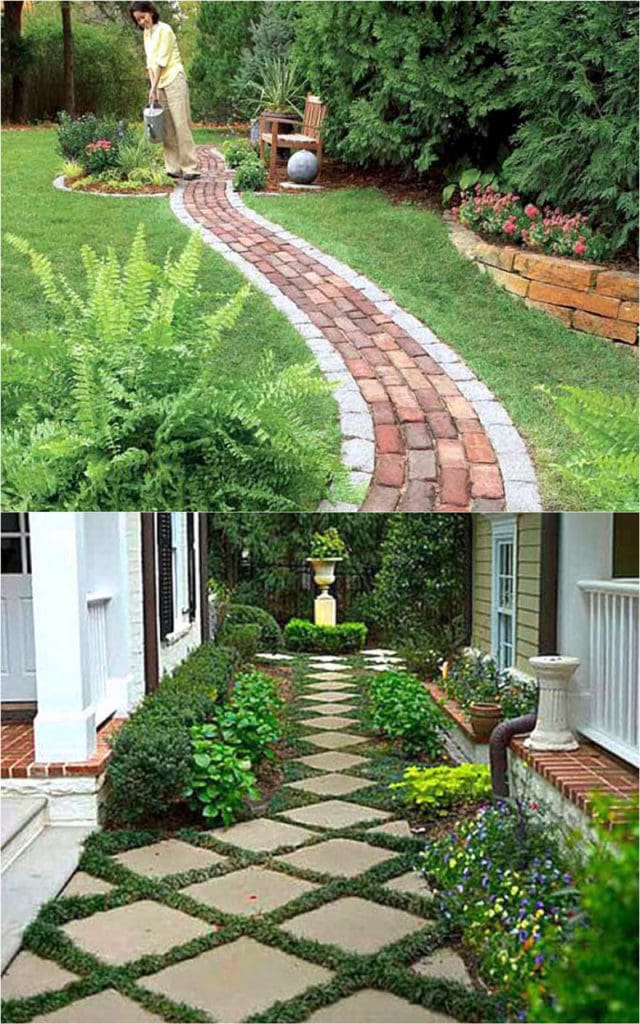
Credit: www.apieceofrainbow.com
Ensuring Durability And Maintenance
Designing a garden path requires choosing durable materials like stone or brick. Ensure a stable foundation to prevent shifting. Regularly check and fix any loose pieces to maintain safety and appearance.
Designing a garden path is more than just an aesthetic decision; it's an investment in your outdoor space's longevity and ease of care. Ensuring durability and maintenance is crucial to prevent constant repairs and enjoy a beautiful path for years. Let's explore how to keep your path in top shape, considering factors like weather resistance, regular upkeep, and repair techniques. With practical tips and insights, you'll be well-equipped to maintain a path that stands the test of time.
Weather Resistance Factors
Weather can be a path's worst enemy. Materials like concrete and stone are usually durable against rain and sun. However, they might crack in freezing temperatures. Consider your local climate when choosing materials. In rainy areas, opt for non-slip surfaces to avoid accidents. If frost is common, look for materials that expand and contract with temperature changes. Sealants can add an extra layer of protection. They help prevent moisture from seeping into porous materials. A good sealant can extend the life of your path significantly.
Regular Maintenance Tips
Routine maintenance keeps your path looking fresh and safe to use. Sweep away debris regularly to prevent stains and moss buildup. A clean path is less likely to become slippery or damaged. Inspect your path for cracks and weeds every few months. Small cracks can grow quickly, leading to costly repairs. Pull weeds before they spread and damage the path's structure. Consider a power wash once a year. This removes dirt and grime that normal sweeping might miss. A clean path enhances your garden's overall appeal and safety.
Repair And Restoration Techniques
Even the best-maintained paths can suffer wear and tear. Repairing minor damage promptly can prevent bigger issues later. If you notice a crack, fill it with a suitable material as soon as possible. For loose stones or bricks, reset them securely. Use sand or mortar to ensure they stay in place. A firm base prevents future shifting and keeps your path stable. Restoration might involve replacing entire sections. When doing so, try to match new materials with the existing path. This maintains the path's visual continuity and charm. Have you considered how these strategies might apply to your garden path? With these insights, your garden path can remain a sturdy, beautiful feature for years.
Enhancing With Lighting And Accessories
Designing a garden path involves more than just laying stones or bricks. To make it inviting, consider enhancing it with lighting and accessories. These elements add charm and functionality. They create a welcoming atmosphere for evening strolls. Thoughtful additions can transform a simple path into a stunning feature.
Choosing Garden Path Lighting
Lighting serves both practical and aesthetic purposes. It ensures safety during nighttime walks. Solar lights are eco-friendly and easy to install. Opt for LED lights for energy efficiency and long life. Consider path lights to illuminate the edges. Spotlights can highlight specific plants or features. String lights add a whimsical touch. They create a cozy, enchanted feel.
Adding Decorative Elements
Decorative elements add personality to your garden path. Use colorful stones or pebbles for a vibrant look. Mosaic tiles provide an artistic touch. Statues or sculptures can serve as focal points. Wind chimes add a melodic element. Birdbaths and feeders invite wildlife. Planters with seasonal flowers add color and fragrance.
Incorporating Seating Areas
Seating areas encourage relaxation and enjoyment. A simple bench offers a spot to rest. Install it at a scenic point. Use natural materials like wood or stone. Add cushions for comfort. A small table can hold drinks or books. Consider a pergola for shade. It creates a sheltered seating nook. This addition makes your garden path a destination.
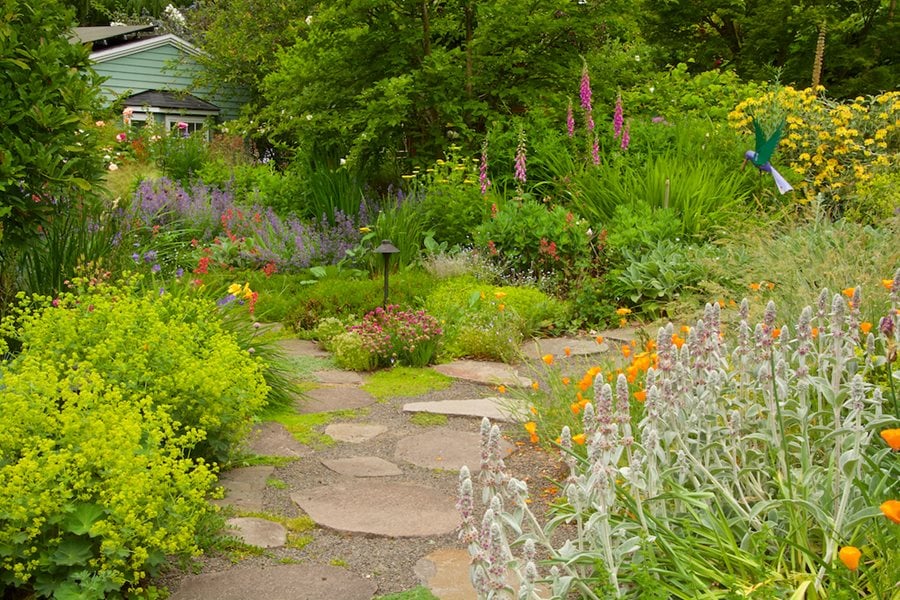
Credit: www.gardendesign.com
Diy Vs. Professional Installation
Creating a garden path can be a rewarding DIY project or a task for professionals. DIY enthusiasts enjoy personalizing their paths, offering a hands-on experience. Professionals, on the other hand, bring expertise and efficiency, ensuring a polished finish. Both options provide unique benefits, depending on your preference and skill level.
Designing a garden path can enhance your outdoor space. But deciding between DIY and professional installation is crucial. Each option offers unique benefits and challenges. Whether you're a hands-on enthusiast or prefer expert guidance, this decision shapes your garden's look and feel.
Evaluating Skills And Resources
Start by assessing your skills. Are you comfortable with garden tools? Do you enjoy hands-on projects? DIY paths require basic construction skills. You will also need time and patience. Consider your physical capability. Laying stones or bricks can be labor-intensive. Evaluate your resources too. Do you have access to necessary tools and materials? Renting or borrowing tools might be an option. Think about the time you can dedicate. A DIY path may take several weekends to complete.
Cost Considerations
Budget plays a big role in your decision. DIY paths often cost less. You save on labor expenses. But remember, tools and materials add up. Professional installation includes labor costs. These may be higher but can save time and effort. Professionals often have access to quality materials at better prices. Weigh these costs against your budget. Consider the long-term investment in your garden's value.
Benefits Of Professional Help
Hiring a professional offers several advantages. They bring experience and expertise. This ensures a polished finish to your path. Professionals can suggest design ideas you might not consider. They handle complex elements like drainage. This prevents future problems. Professional work often includes warranties. This gives peace of mind about the durability of your path. Lastly, they complete projects faster. This means less disruption to your outdoor enjoyment.
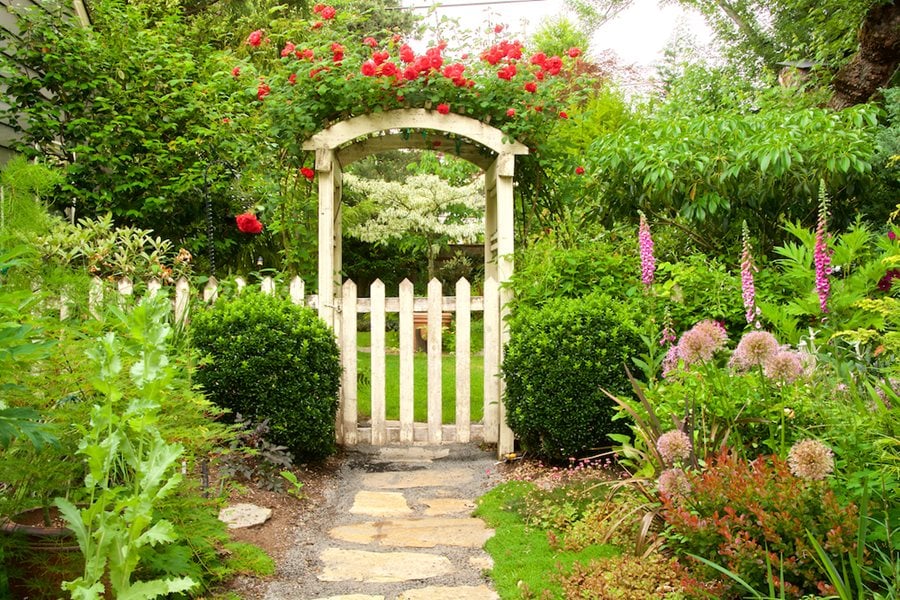
Credit: www.gardendesign.com
Frequently Asked Questions
How Do I Choose The Right Path Materials?
Selecting the right materials depends on your garden style and budget. Popular options include gravel, stone, bricks, and concrete. Consider durability, maintenance, and aesthetics when choosing. Each material offers different textures and colors, enhancing the garden's visual appeal. Balance functionality with beauty for a harmonious garden path.
What Is The Ideal Width For A Garden Path?
The ideal width for a garden path is typically 3 to 4 feet. This width allows comfortable walking and accommodates wheelbarrows or garden carts. Narrow paths can feel cramped, while wider paths may dominate small gardens. Adjust the width based on space availability and garden layout.
How Can I Create A Curved Garden Path?
Creating a curved garden path adds elegance to the landscape. Use a garden hose to outline the desired shape. Mark the curves with stakes or spray paint. Curved paths should be gentle to ensure easy navigation. Adjust curves to fit plant beds and garden features harmoniously.
What Are The Benefits Of A Garden Path?
Garden paths enhance accessibility and organization, guiding visitors through your garden. They protect plants from foot traffic and define spaces. Paths can add aesthetic appeal, creating focal points and directing attention. They also improve garden flow, making maintenance tasks easier and more efficient.
Conclusion
Creating a garden path brings charm and functionality to your space. With thoughtful planning, it becomes a delightful journey for all. Choose materials wisely; they set the mood and style. Consider the path's width and curves. They guide movement and flow naturally.
Always keep maintenance in mind for lasting beauty. A well-designed path connects your garden elements harmoniously. It invites exploration and relaxation. Your garden path reflects your vision and creativity. Enjoy the process and see your garden transform. Designing a path is an art.
Make it a joyful experience and let it enhance your garden’s appeal.


