
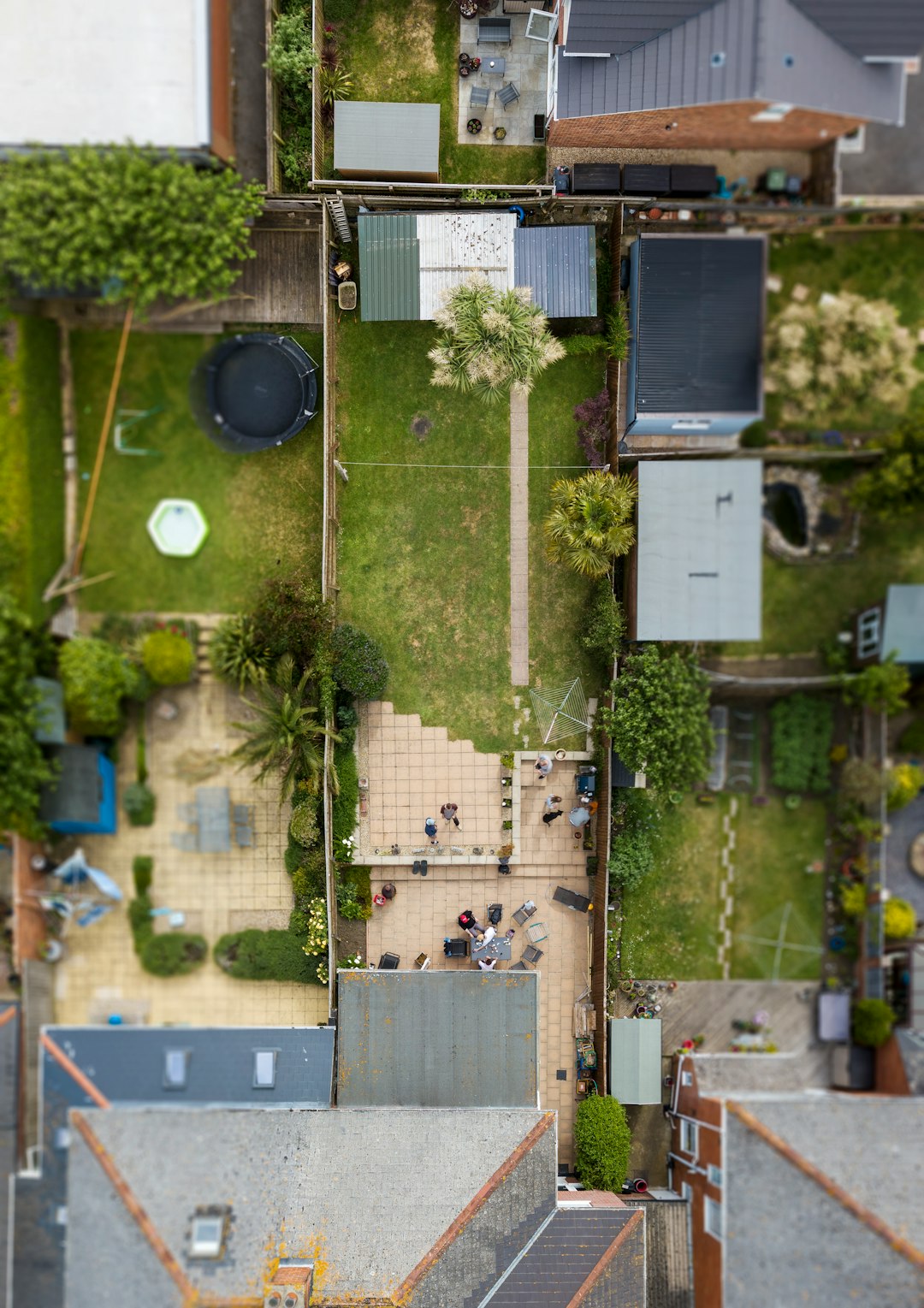
Imagine stepping into your dream garden, where every plant, path, and feature is exactly where you want it. Designing a large garden might seem daunting, but it doesn't have to be.
You don't need to be a professional landscaper to create a stunning outdoor space that reflects your personality and meets your needs. With a few strategic steps, you can transform that vast plot of land into a beautiful haven. In this guide, we'll show you how to bring your vision to life, with simple tips and tricks that will keep you engaged and excited about every aspect of the process.
Get ready to roll up your sleeves and dive into the world of garden design, where creativity meets practicality, and every decision you make brings you closer to your perfect garden oasis.
Garden Planning Basics
Designing a large garden involves thoughtful planning and creativity. Begin by sketching your ideas on paper. Consider paths, plant placements, and seating areas. Prioritize sunlight and shade preferences for plants. Allocate space for different garden zones, ensuring harmony and variety.
Designing a large garden can be a rewarding project. To make the most of your space, you need to start with solid planning. This foundational step ensures that every plant, path, and feature has a purpose and place.
Assessing Your Space
Begin by understanding the size and shape of your garden. Walk around and take notes on existing features like trees, fences, and slopes. Consider sunlight patterns throughout the day, as this will impact plant choices. Make a simple sketch of your garden. It doesn’t have to be perfect—just enough to visualize your ideas. Use a measuring tape to get accurate dimensions and mark these on your sketch. Think about how you will access different parts of your garden. Are there existing pathways or do you need to create new ones? Easy access will make maintenance much simpler.
Setting Goals And Priorities
Ask yourself what you want from your garden. Do you dream of a vegetable patch, a flower paradise, or a relaxing retreat? Identifying your goals will help you make informed decisions. Prioritize features based on your lifestyle and needs. If you love entertaining, a patio space might be essential. If sustainability is key, consider areas for composting or rainwater collection. Balance is important. Don’t try to do everything at once. Focus on a few key elements that will bring you joy and satisfaction. Remember, your garden should reflect who you are. What memories or inspirations can you draw from your past to shape your garden? Maybe a family garden you loved as a child or a serene park you visited. Planning a large garden can seem daunting, but by breaking it into manageable steps, you can create a space that thrives and delights. What’s the first feature you will prioritize in your garden design?
Credit: www.gardeningetc.com
Landscape Design Principles
Designing a large garden involves careful planning of space, plant selection, and pathways. Balance and harmony are crucial in integrating elements like water features, seating areas, and lighting. Consider layering plants for depth and texture to enhance visual appeal.
Designing a large garden requires a thoughtful approach to landscape design principles. These principles act as a guide to transform your outdoor space into a harmonious and visually appealing environment. Applying these principles effectively can help you create a garden that not only enhances your property but also offers a tranquil retreat for relaxation and enjoyment.
Balance And Proportion
Balance is key in garden design. It involves arranging plants, paths, and features in a way that feels stable and pleasing. Imagine walking into a garden where one side is crowded with tall trees and the other side is bare. It feels off, right? Achieving balance can be as simple as ensuring that both sides of your garden have similar visual weight. Proportion, on the other hand, refers to the size relationship between elements in your garden. Large trees next to tiny shrubs can make the space feel disjointed. Consider using plants of varying heights and sizes to create a cohesive look. Think about how a small bench can complement a large flower bed, creating a sense of unity.
Color And Texture
Color in your garden can set the mood. Bright colors can energize the space, while soft pastels can create a calming effect. When choosing plants, think about how their colors will interact. A mix of contrasting colors can add excitement, while a monochromatic scheme can bring serenity. Texture adds another layer of interest to your garden. It's not just about what you see, but what you feel. Imagine running your hands over the rough bark of a tree or the soft petals of a rose. Combining different textures, like feathery grasses with smooth stones, can create depth and intrigue. As you design your garden, ask yourself how balance, proportion, color, and texture can work together. How will you blend these elements to craft a garden that reflects your personality? Every choice you make contributes to the story your garden tells. So, what story do you want your garden to share?
Choosing Plants And Materials
Selecting the right plants and materials can transform a large garden into a beautiful space. Opt for diverse plant species that suit the climate and soil. Incorporate durable materials like stone or wood for pathways and borders to enhance the garden's overall design.
Designing a large garden can be both a rewarding challenge and an opportunity to express your creativity. One of the key aspects that will define your garden's character and functionality is the selection of plants and materials. This is where you can let your imagination roam free, while keeping practical considerations in mind. It's not just about what looks good, but what thrives in your environment and complements your lifestyle.
Selecting Suitable Plants
Choosing the right plants for your large garden involves more than just picking what you find beautiful. Think about the climate and soil conditions of your area. Some plants thrive in sunlight, while others prefer shade. Consider how much time you want to spend on maintenance. Low-maintenance plants like succulents or perennials can be ideal if you want a lush garden without the constant upkeep. Do you want your garden to be fragrant or attract wildlife? Opt for aromatic herbs or flowering shrubs to add sensory appeal. Plant layering can add depth and dimension. Think about incorporating a mix of trees, shrubs, and ground covers for a dynamic look. Remember, your garden is an evolving space; what you plant today will grow and change, so plan for the future.
Incorporating Hardscape Elements
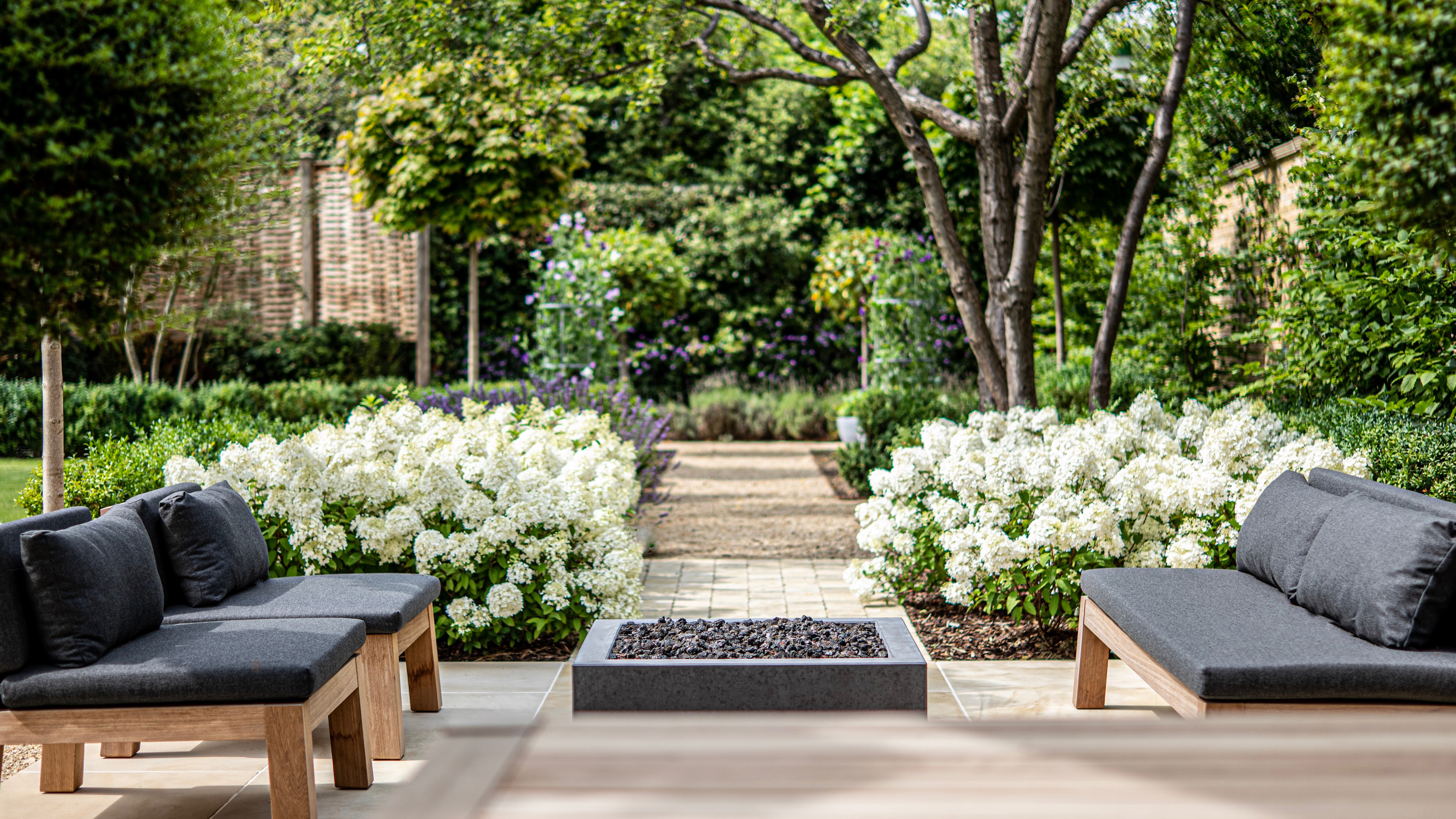
Hardscape elements can transform your garden into a functional and inviting space. Paths, patios, and walls can define different areas within your garden, making it easier to navigate and enjoy. Materials like stone, brick, and wood offer durability and aesthetic appeal. Consider how these elements will age and blend with your plants over time. Would a stone path add charm, or would a wooden deck provide a cozy spot for relaxation? Think about the purpose of your garden. Is it a space for social gatherings or a personal retreat? Incorporate seating areas or a fire pit to enhance its functionality. Adding a water feature can introduce tranquility and attract wildlife. Hardscape elements should complement your plant choices. Use them to highlight focal points or create contrast. The balance between soft greenery and solid structures can make your garden a harmonious and inviting space. Does the thought of combining plants and hardscapes feel overwhelming? Start small, and remember that gardening is a journey. Your garden reflects your personality, so let it grow with you.

Credit: www.gardenary.com
Creating Functional Zones
Designing a large garden involves creating functional zones. Separate areas for relaxation, dining, and play enhance the garden's usability. Utilize plants and pathways to define these zones clearly, fostering a balanced outdoor space.
Creating a large garden can be a thrilling project, but it can also feel overwhelming. One way to make the most out of your space is by dividing it into functional zones. These zones help organize your garden to serve different purposes, making it both beautiful and practical. You'll find that having distinct areas for relaxation, growing vegetables, and other activities can transform your garden into a versatile outdoor haven.
Relaxation And Leisure Areas
Imagine stepping into your garden and immediately feeling at ease. A well-planned relaxation zone can offer that sense of tranquility. Think about adding a cozy seating area with comfortable chairs and a small table for your morning coffee. Consider the use of natural elements like wood and stone to create a peaceful atmosphere. You might also include a water feature, such as a small fountain, to add soothing sounds to your space. What about lighting? Adding solar-powered garden lights can extend your enjoyment into the evening. You may find that having a dedicated relaxation zone encourages you to spend more time outdoors, unwinding after a long day.
Vegetable And Herb Gardens
Growing your own vegetables and herbs is not only rewarding, but it can also save you money. Start by choosing a sunny spot in your garden, as most vegetables need plenty of sunlight. Raised beds or container gardens can be excellent options if your soil is less than ideal. Think about what you love to cook and plant accordingly. Do you enjoy Italian cuisine? Consider basil, tomatoes, and oregano. To keep things organized, use labels for each plant. This helps you remember what's planted where, especially in the early stages. Regularly check your plants for signs of pests or disease to keep your garden healthy and thriving. By creating zones for different activities, you can turn your large garden into a space that meets all your needs. What other zones could you add to make your garden even more functional?
Designing Pathways And Trails
Designing pathways and trails in a large garden transforms its appeal. They guide visitors, linking different sections of the garden. These paths offer structure and improve accessibility. Choosing the right design enhances the garden's beauty and functionality. Let's explore the types of pathways and the materials and layout to consider.
Types Of Pathways
Garden pathways can vary in style and purpose. There are formal paths, which are straight and symmetrical. These suit traditional gardens with a classic look. Informal paths have a more relaxed, winding design. They blend well with natural landscapes. Consider choosing a style that matches your garden's theme.
Functional paths lead to specific areas like patios or sheds. Decorative paths focus more on visual appeal. They may feature unique patterns or materials. Combining different types creates diverse experiences within the garden.
Materials And Layout
The choice of materials impacts the path's durability and look. Gravel is affordable and easy to install. It suits informal paths and allows water to drain. Stone or slate offers a more elegant appearance. These materials are ideal for formal paths. Brick adds a warm, rustic feel and is long-lasting.
Consider the layout to ensure a smooth flow. Paths should connect key areas seamlessly. Avoid sharp angles or sudden turns, which can disrupt movement. Curved paths create a sense of mystery and encourage exploration. Keep the paths wide enough for comfortable walking. A width of at least three feet is recommended.
Water Features And Irrigation
Designing a large garden involves various elements to create harmony. Water features and efficient irrigation can transform your garden into a serene oasis. The gentle sound of flowing water adds tranquility. An efficient irrigation system ensures your plants thrive. Both elements enhance the aesthetic and health of your garden.
Choosing Water Features
Water features come in many shapes and sizes. Consider a pond for a natural feel. Fountains provide elegance and movement. Waterfalls bring a dramatic touch. Select based on your garden's theme. Ensure the feature complements the surrounding plants. Use natural materials for a cohesive look. Lighting can enhance the beauty at night. Maintenance level should match your time availability.
Efficient Irrigation Systems
An efficient irrigation system is vital for plant health. Drip irrigation conserves water and delivers it directly to roots. Sprinkler systems cover large areas evenly. Consider the garden layout when choosing a system. Smart irrigation systems adjust to weather changes. This reduces water waste and saves time. Regularly check systems for leaks and clogs. Proper maintenance ensures longevity and efficiency.
Lighting For Ambiance
Creating ambiance with lighting transforms a large garden into a magical space. Use soft lights along paths and under trees to highlight features. Choose warm bulbs to create a cozy feel, inviting guests to explore and relax in the serene atmosphere.
Lighting for Ambiance Creating the right ambiance in your large garden can transform your outdoor space into a magical retreat. The right lighting can highlight features, create mood, and make the garden usable at night. When you design your garden, consider how lighting can enhance your experience and draw attention to its unique elements.
Types Of Outdoor Lighting
Outdoor lighting comes in various forms, each serving a distinct purpose. Solar lights are a cost-effective and eco-friendly option, perfect for paths and borders. LED lights provide bright illumination and can be used for security or highlighting features. String lights add a whimsical touch, ideal for patios or over seating areas. Think about what kind of atmosphere you want to create. Soft, warm lights might suit a cozy nook, while brighter lights can illuminate pathways for safety. Choose lights that match the garden's style to maintain a cohesive look.
Placement And Effects
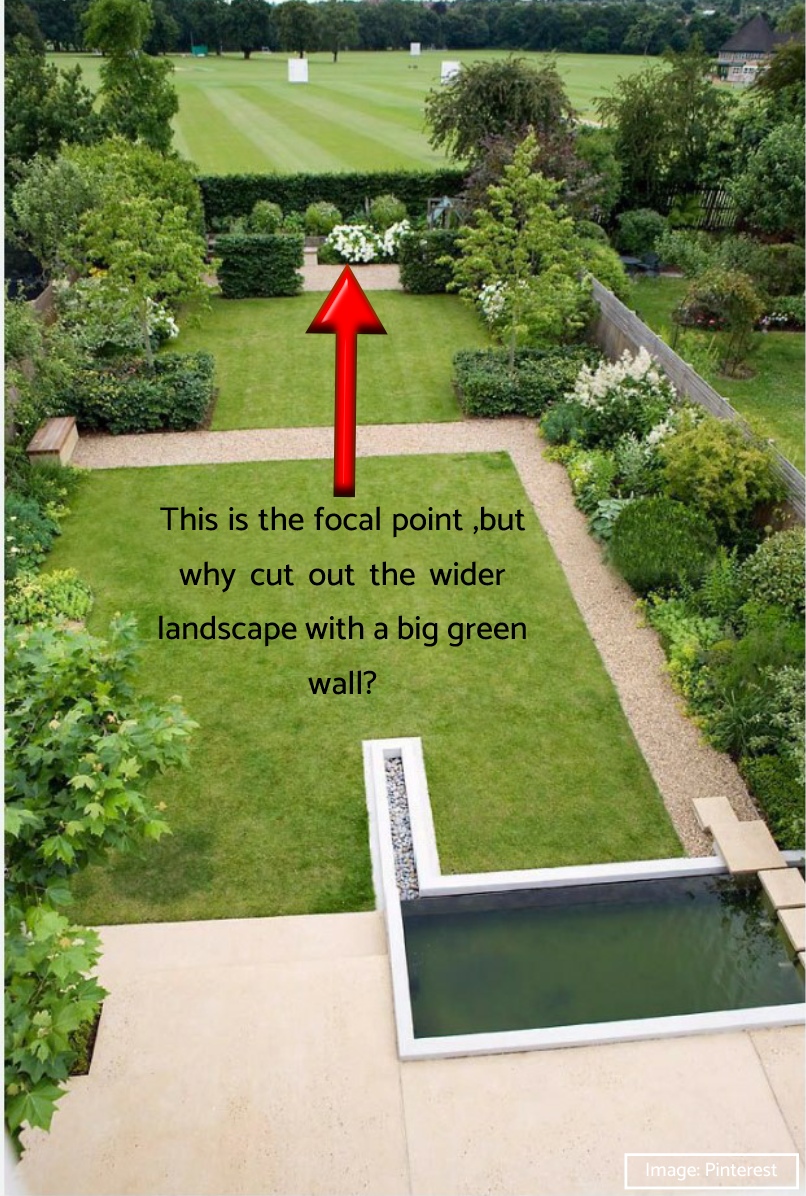
Where you place your lights can dramatically affect their impact. Positioning lights under trees can cast intriguing shadows, adding depth to your garden. Placing lights along pathways not only guides visitors but also draws the eye toward different areas. Consider using uplighting to emphasize tall plants or garden sculptures. This technique can make features stand out, even in the dark. Experiment with different placements to find what looks best in your garden. What's the mood you want to evoke as the sun sets? Imagine walking through your garden at dusk, with lights creating a serene and inviting atmosphere. You'll find that even subtle changes in lighting can make a significant difference in how you experience your garden.
Credit: plantplots.com
Sustainable Gardening Practices
Designing a large garden involves more than just aesthetics. Sustainable gardening practices can greatly enhance your space. They ensure that your garden remains healthy and vibrant. These practices focus on using resources wisely. They help in preserving the environment for future generations.
Eco-friendly Materials
Choosing eco-friendly materials is crucial for sustainable gardening. Use natural stones or reclaimed wood for pathways. They blend beautifully with the landscape. Avoid synthetic materials that harm the environment. Organic fertilizers and pest controls are great choices. They promote a healthy ecosystem. Compost bins can recycle garden waste. This reduces the need for chemical fertilizers.
Water Conservation Techniques
Water conservation is vital in large gardens. Install a rainwater harvesting system. It collects water naturally. Use drip irrigation systems for efficient watering. They deliver water directly to plant roots. Mulching helps retain soil moisture. It also prevents weed growth. Native plants require less water. They adapt well to local climates. This reduces maintenance and water usage.
Maintaining Your Garden
Crafting a large garden involves thoughtful planning. Begin by sketching a layout to visualize spaces. Incorporate diverse plant types for seasonal interest. Paths guide visitors and create flow. Water features add tranquility. Ensure ample seating areas for relaxation. Integrate lighting for nighttime charm.
Maintaining your garden is an essential aspect of ensuring its beauty and health all year round. A large garden can be a source of joy and relaxation, but it requires consistent care and attention. By focusing on key tasks throughout the seasons, you can enjoy a thriving garden that reflects your hard work and dedication.
Seasonal Care
Each season brings unique challenges and opportunities for your garden. In spring, focus on planting new seeds and preparing the soil. Summer requires regular watering and weeding to keep plants healthy. Fall is the time to prune shrubs and trees, preparing them for winter. Winter care involves protecting plants from frost and planning for the upcoming growing season. Regularly adjusting your care routine helps you stay ahead of changing weather conditions.
Pest And Disease Control
Pests and diseases can quickly ruin the beauty of your garden. Regular inspections help you catch issues early. Use natural pest control methods, like introducing beneficial insects or using homemade sprays. Diseases can be prevented by rotating crops and maintaining healthy soil. If you notice symptoms, act quickly to remove affected plants. By staying vigilant, you can protect your garden from harm and ensure it remains vibrant. Ask yourself, how often do you inspect your garden? Regular checks can make a significant difference in maintaining a healthy outdoor space.
Frequently Asked Questions
What Are Key Elements In Garden Design?
In garden design, consider layout, plant selection, and hardscape features. Incorporate pathways, seating areas, and focal points. Ensure harmony between plants and structures. Balance colors, textures, and heights for visual interest. Maintain functionality alongside aesthetics, enhancing usability. Prioritize sustainability and environmental considerations for an eco-friendly garden.
How Do I Choose Plants For Large Gardens?
Select plants based on climate, soil type, and sunlight. Choose a mix of trees, shrubs, and perennials for diversity. Consider bloom times for year-round interest. Opt for native species to support local wildlife. Ensure plants complement each other in color and texture.
Plan for growth and maintenance requirements.
What Are The Benefits Of Garden Zoning?
Garden zoning organizes spaces for specific functions, enhancing usability and aesthetics. Create areas for relaxation, play, and cultivation. Zoning helps manage maintenance and irrigation needs. It allows personalized spaces within a large garden. Zones can be tailored to seasonal activities and changing needs.
How Can I Incorporate Water Features?
Water features add tranquility and aesthetic appeal. Consider ponds, fountains, or streams based on space and budget. Ensure proper circulation to prevent stagnation. Use native plants around water features for a natural look. Regular maintenance is crucial for water quality.
Integrate lighting for nighttime ambiance.
Conclusion
Designing a large garden takes planning and creativity. Start by understanding your space. Consider the sunlight and soil type. Choose plants that thrive in your climate. Create paths for easy access. Use a mix of trees, shrubs, and flowers. Add seating areas for relaxation.
Water features can enhance tranquility. Lighting can extend evening enjoyment. Regular maintenance keeps your garden healthy. Enjoy your outdoor sanctuary. Your garden can become a beautiful retreat. A place to unwind and connect with nature. With careful planning, your garden will flourish.
A rewarding project for every garden enthusiast.


