
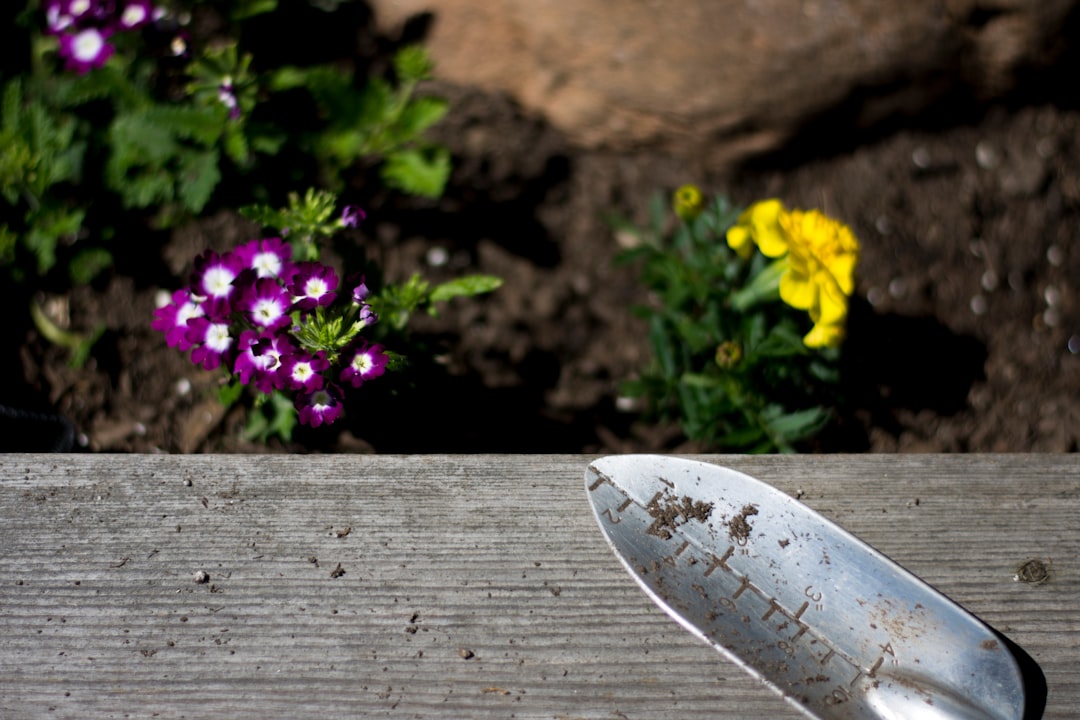
Is rust threatening the lifespan of your cherished garden tools? You're not alone.
Many gardeners face the frustrating battle against rust, which can make your tools less effective and even lead to them breaking down sooner than expected. But here's the good news: you don't have to accept rust as an inevitable enemy.
Imagine the satisfaction of seeing your garden tools gleaming and performing at their best, as if they were brand new. We'll reveal simple, effective methods to remove rust and restore your tools to their former glory. You'll learn techniques that not only save you money but also breathe new life into your gardening routine. Curious to discover these game-changing tips? Keep reading, and let’s turn your rusty tools into reliable partners once again.

Credit: www.youtube.com
Identifying Rust On Tools
Garden tools are essential for maintaining a healthy garden. Rust can damage these tools over time. Identifying rust early helps in preserving your tools' lifespan. Rust weakens the metal and affects the tool's efficiency. Spotting rust is the first step in keeping your tools effective and durable.
How Rust Appears On Metal Surfaces
Rust is usually reddish-brown. It forms patches or spots on metal surfaces. These spots can be rough or flaky. Rust often starts in areas exposed to moisture. Check joints and edges for early signs.
Recognizing Rusty Textures
Feel your tools to identify rust. Rust gives a gritty texture. Smooth surfaces turn coarse with rust. Run your fingers over suspected areas. If it feels rough, rust may be present.
Visual Indicators Of Rust
Examine the color of the metal. Rust changes it to a dull shade. Look for any discoloration. Compare with unaffected areas for clarity. Discoloration is a strong rust indicator.
Smell Of Rust On Tools
Rust has a distinct smell. It resembles old metal or dampness. Bring the tool close to detect this scent. Familiarize yourself with the smell. It aids in early rust detection.
Reasons To Remove Rust
Rust on garden tools can be a real nuisance. It affects their efficiency and longevity. Removing rust is essential for maintaining tool effectiveness. It also ensures safer and easier gardening tasks. Let's dive into why rust removal is vital.
Enhancing Tool Performance
Rust dulls sharp edges. This leads to poor cutting and trimming. Removing rust restores sharpness. This improves tool performance significantly.
Prolonging Tool Lifespan
Rust corrodes metal surfaces. It gradually weakens the tool. Regular rust removal can prevent deterioration. This prolongs the tool's lifespan.
Ensuring Safety
Rusty tools can slip or break. This poses safety risks while gardening. Clean tools reduce accidents. They ensure safer handling during tasks.
Preventing Disease Spread
Rust harbors bacteria and fungi. These can spread to plants. Clean tools minimize disease transmission. This protects your garden's health.
Aesthetic Appeal
Rust makes tools look worn and neglected. Clean tools appear well-maintained. This enhances your gardening experience. It also reflects your commitment to upkeep.
Safety Precautions
Before starting rust removal, ensure personal safety by wearing gloves and goggles. Use a well-ventilated area to avoid inhaling fumes. Keep children and pets away from cleaning agents and tools.
Removing rust from garden tools can be a satisfying task that restores the functionality and aesthetics of your equipment. However, it's crucial to prioritize safety during this process. As you work to breathe new life into your trusty tools, taking the right precautions ensures that you remain unscathed and ready for a thriving garden season. Let's delve into some vital safety measures you should consider.
Wear Protective Gear
Always start by protecting yourself. Wear gloves to shield your hands from sharp edges and corrosive substances. Opt for goggles to prevent any particles from getting into your eyes. It’s a small step that can save you from a painful mishap.
Ensure Proper Ventilation
If you're using chemical rust removers, proper ventilation is essential. Work in an open space or well-ventilated area to avoid inhaling harmful fumes. This simple measure can make your rust removal process both safe and comfortable.
Handle Tools With Care
Rust can make tools slippery or sharp. Grip them securely to avoid accidental slips. Take your time and move cautiously to prevent injuries. Have you ever rushed a task only to regret it later? Taking it slow can make all the difference.
Read Product Labels
Before using any rust removal product, read the label. Instructions often contain important safety information. Knowing how much product to apply and how long to let it sit can prevent unwanted accidents.
Keep A Clean Work Area
A cluttered workspace can lead to unnecessary accidents. Clear your area of any obstructions to ensure you have ample space to work. A tidy space not only boosts efficiency but also enhances safety.
Dispose Of Chemicals Properly
After using chemical products, don’t just toss them in the trash. Follow local guidelines for disposal. Proper disposal protects the environment and keeps your home safe from toxic residues. By focusing on these safety precautions, you can tackle rust removal confidently. Have you considered how taking these steps could make your gardening experience more enjoyable and secure? Prioritize safety, and you’ll find the task at hand much more rewarding.
Materials Needed
To remove rust from garden tools, gather essential materials like white vinegar, baking soda, a scrub brush, and clean cloths. Protective gloves are also recommended to ensure safety during the process.
If you've ever taken a close look at your garden tools, you might have noticed that persistent reddish-brown stain—rust. It can make your tools less effective and shorten their lifespan. Removing rust is not only about improving the appearance of your tools but also about extending their usability. To tackle rust efficiently, you need to gather the right materials. Having these materials handy will make the process straightforward and stress-free.
Gather Your Materials
To start, you'll need some basic items that are likely already in your home. These materials are essential for removing rust effectively and safely. Let's dive into what you'll need.
White Vinegar
White vinegar is your go-to household item for rust removal. Its acidic nature helps break down rust. Soak small tools in it overnight for best results.
Baking Soda
Baking soda acts as a mild abrasive. When mixed with water to form a paste, it can scrub away rust without scratching your tools.
Steel Wool Or Sandpaper
These are perfect for scrubbing off rust. Steel wool can reach into nooks and crannies, while sandpaper smooths the surface. Choose a grit that matches your rust severity.
Lemon Juice And Salt
If you prefer a natural approach, lemon juice and salt work wonders. The acid in the lemon juice helps dissolve rust, while salt acts as an abrasive.
Protective Gloves
Safety first! Always wear gloves when handling rust-removal chemicals. They protect your skin and provide a better grip on your tools.
Rags Or Paper Towels
Use these for wiping down your tools after rust removal. They help dry the tools quickly, preventing further rust development.
Wire Brush
A wire brush is ideal for tackling stubborn rust spots. It's especially useful for larger tools where soaking isn't feasible.
Rust-preventive Oil
After cleaning, apply a rust-preventive oil to your tools. This creates a barrier against moisture, keeping rust at bay.
Optional: Commercial Rust Remover
If you prefer a ready-made solution, consider a commercial rust remover. They're formulated to dissolve rust quickly and can be found in most hardware stores. With these materials at your disposal, removing rust from your garden tools becomes a manageable task. Have you ever tried using these materials before? If not, which one are you most excited to try? Preparing yourself with these essentials ensures that your tools will be in tip-top shape, ready for the next gardening season.
Using Vinegar Solution
Vinegar solution effectively removes rust from garden tools. Soak the tools in vinegar overnight. Scrub gently with a brush. Rinse thoroughly with water. Dry completely to prevent further rust. Restore the shine and functionality of your garden tools. Simple and affordable method for rust-free tools.
If you've ever found your garden tools coated in a stubborn layer of rust, you know how frustrating it can be. An effective and natural method to remove rust is using a vinegar solution. This simple technique can restore your tools to their former glory, making them look almost brand new. Let me take you through the process step-by-step, so you're ready to tackle those rusty tools head-on.
Preparing The Solution
To start, gather some basic supplies: white vinegar, a container, and baking soda. Use a container that can fit the tool you want to clean. Pour enough white vinegar into the container to completely submerge the rusty part of the tool. Add a tablespoon of baking soda to the vinegar. You might notice a fizzing reaction. This is normal and helps loosen the rust. Stir the mixture to ensure the baking soda is well-dissolved.
Soaking The Tools
Place your rusty tool in the vinegar solution, ensuring it's fully covered. Let it soak for a few hours. If the rust is particularly severe, you might need to leave it overnight. Check the progress periodically. This can help you decide if more soaking time is needed. The vinegar works by breaking down the rust, making it easier to scrub away.
Scrubbing Off Rust
Once the soaking is complete, remove the tool from the solution. Use a wire brush or a piece of steel wool to scrub off the rust. You'll notice that it comes off much more easily after the vinegar soak. Rinse the tool with water to remove any remaining vinegar and rust particles. Dry it thoroughly with a cloth to prevent any new rust from forming. Have you ever tried this method before? It’s a simple, cost-effective solution that doesn’t rely on harsh chemicals. Your garden tools will thank you for it!

Credit: gardenbetty.com
Baking Soda Method
Rust can make garden tools less effective and unsightly. The Baking Soda Method is a simple and affordable way to tackle rust. Baking soda is a gentle abrasive that helps loosen rust. It's a safe option for those who prefer natural solutions. Let's dive into the steps of the Baking Soda Method.
Making The Paste
First, gather baking soda and water. Mix them in a small bowl. Use enough water to form a thick paste. The paste should stick to a spoon without dripping. This consistency ensures effective rust removal.
Application Process
Apply the paste generously on rusty areas. Use a brush or old cloth for application. Ensure the paste covers all rusty spots. Let it sit for at least 30 minutes. This waiting time allows the paste to break down the rust.
Rinsing And Drying
After waiting, rinse the tools with clean water. Ensure all paste is washed away. Check for remaining rust spots. If needed, repeat the process. Once clean, dry the tools thoroughly. Use a towel to wipe off moisture. This prevents new rust from forming.
Utilizing Lemon Juice
Removing rust from garden tools can seem challenging. But using lemon juice offers a natural solution. It's an eco-friendly alternative to harsh chemicals. This method requires minimal effort. And it leaves your tools shiny and rust-free.
Acidic Properties
Lemon juice contains citric acid. This acid effectively breaks down rust. It softens the rust's grip on metal surfaces. The natural acidity makes lemon juice a perfect cleaner. It is safe for the environment and your skin.
Effective Application
Begin by squeezing fresh lemon juice over the rusty areas. Ensure the juice covers all rusted spots. Let it sit for about 30 minutes. The acid will penetrate the rust. This will make it easier to remove.
After soaking, scrub the tool with a wire brush. This helps loosen and remove the rust. Rinse the tool with water. Dry it thoroughly to prevent new rust. Repeat if necessary for stubborn rust.
Employing Commercial Rust Removers
Removing rust from garden tools is easy with commercial rust removers. These products effectively dissolve rust, restoring tools to their original condition. Simply apply, wait a few minutes, and wipe clean for optimal results.
Employing commercial rust removers offers a quick way to clean garden tools. These products dissolve rust and restore your tools to their original condition. Choosing the right product and following instructions ensures success. Below are essential tips for using commercial rust removers effectively.
Selecting Products
Choose a rust remover suitable for your garden tools. Read labels carefully. Look for products that are safe for metal surfaces. Check if the product is non-toxic. This is important for safety and environmental reasons. Opt for products with good reviews. They often provide better results. Also, consider the remover's application method. Some come as sprays, others as gels. Pick what suits your needs best.
Instructions For Use
Start by wearing gloves and safety goggles. This protects you from harmful chemicals. Clean your tools with soap and water. Remove dirt and debris before applying the rust remover. Apply the remover according to the instructions. Some products need soaking, others need scrubbing. Wait the recommended time for the product to work. Rinse the tools thoroughly after treatment. Ensure no residue is left on the tools. Dry the tools completely to prevent future rusting. Store them in a dry place for best results.
Preventing Future Rust
Keep garden tools rust-free by cleaning them after each use. Store in a dry place and apply a thin layer of oil. Regular maintenance prevents rust and extends tool life.
Preventing future rust on your garden tools saves time and money. Rust can damage tools, making them less effective. By following some simple steps, you can protect your tools. This ensures they last longer and perform better.
Proper Storage
Storing tools properly keeps them safe from moisture. Moisture is a primary cause of rust. Use a dry place for storage. A shed or garage works well. Ensure the area is well-ventilated. This reduces humidity. Hang tools on a wall or place them on shelves. This prevents direct contact with the floor, which might be damp.
Regular Maintenance
Check your tools regularly for signs of rust. Early detection helps prevent serious damage. Clean tools after each use. Remove dirt and plant residue. Use a soft brush or cloth. Dry them thoroughly before storing. Occasionally apply a light coat of oil. This creates a barrier against moisture. Keep handles in good condition, too. This prevents cracks where moisture can settle.
Restoring Tool Functionality
Restore garden tools by removing rust efficiently. Use vinegar or baking soda paste. Scrub gently with a brush. Rinse and dry thoroughly.
Restoring the functionality of your garden tools is not just about aesthetics; it’s about efficiency and ease of use. Rust can severely impact the performance of your tools, making gardening a frustrating chore rather than a therapeutic hobby. By removing rust, you enhance the lifespan of your tools and improve their performance, making your gardening tasks smoother and more enjoyable.
Understanding The Impact Of Rust
Rust is more than just an eyesore. It can weaken the metal, leading to breakage at the most inconvenient times. Imagine pruning your favorite rose bush only to have your shears fall apart mid-snip. Rust also creates friction, making tools harder to use. This extra effort can tire you out faster and make gardening less fun.
Simple Steps To Remove Rust
You don’t need expensive products to remove rust. Start with items you already have at home. Vinegar is a great option. Submerge the rusted parts in vinegar overnight, then scrub with a wire brush. Baking soda works wonders too. Make a paste with water, apply it on rust, let it sit, and scrub off. These simple remedies can restore your tools without breaking the bank.
Maintaining Rust-free Tools
Once you’ve removed the rust, keep it off. Dry your tools after every use; moisture is rust's best friend. Consider applying a thin coat of oil to form a protective barrier. Store your tools in a dry place. A simple habit of wiping down your tools can save you from future rust headaches.
Personal Experience: A Lesson Learned
I once left my favorite trowel outside after a long day of planting. The next morning, it was covered in rust. Frustrated, I tried the vinegar soak method, and it worked like a charm. This mishap taught me the importance of tool maintenance. Have you ever overlooked tool care, only to regret it later?
Benefits Of Restored Tools
Restored tools make gardening more enjoyable. They work smoothly, reducing the effort needed for each task. You’ll also save money by not having to replace tools frequently. Plus, there's a certain satisfaction in bringing old tools back to life. What benefits have you noticed after restoring your garden tools? Taking care of your garden tools not only saves you time and money but also enhances your gardening experience. How will you ensure your tools remain rust-free and functional?

Credit: sweetlittlesparrowliving.wordpress.com
Frequently Asked Questions
What Causes Rust On Garden Tools?
Rust forms when iron or steel reacts with moisture and oxygen. This chemical reaction creates iron oxide, known as rust. Leaving tools outside or in humid conditions accelerates rusting. Regular cleaning and proper storage can help prevent rust formation on your garden tools.
Can Vinegar Remove Rust From Tools?
Yes, vinegar is effective in removing rust from garden tools. Soak the rusty tool in white vinegar for several hours. Scrub the rust off with a brush, then rinse and dry thoroughly. Vinegar's acidity dissolves rust, making it a cost-effective and eco-friendly solution.
How Often Should I Clean Garden Tools?
Clean garden tools after each use to prevent rust. Regular maintenance keeps tools in good condition and extends their lifespan. Wipe off soil and moisture, and store them in a dry place. Periodic oiling can also protect metal surfaces from rusting.
What Tools Are Best For Removing Rust?
Wire brushes, sandpaper, and steel wool are ideal for removing rust. These tools effectively scrub off rust without damaging the metal. For stubborn rust, use a rust remover solution or soak in vinegar before scrubbing. Always wear protective gloves while cleaning rust.
Conclusion
Rusty tools can harm your gardening efforts. Keep them clean and shiny. Regular maintenance saves time and money. Use simple methods to remove rust. Vinegar and baking soda work wonders. Sandpaper and wire brushes are effective too. After cleaning, dry tools thoroughly.
Apply a protective oil layer. This prevents future rust. Store tools in a dry place. Regular checks ensure they stay in good shape. Keep your garden tools rust-free. Enjoy gardening with well-maintained tools. Your plants will thank you. Happy gardening!


